What Is Search Generative Experience (SGE) and How Should You Optimize for It?
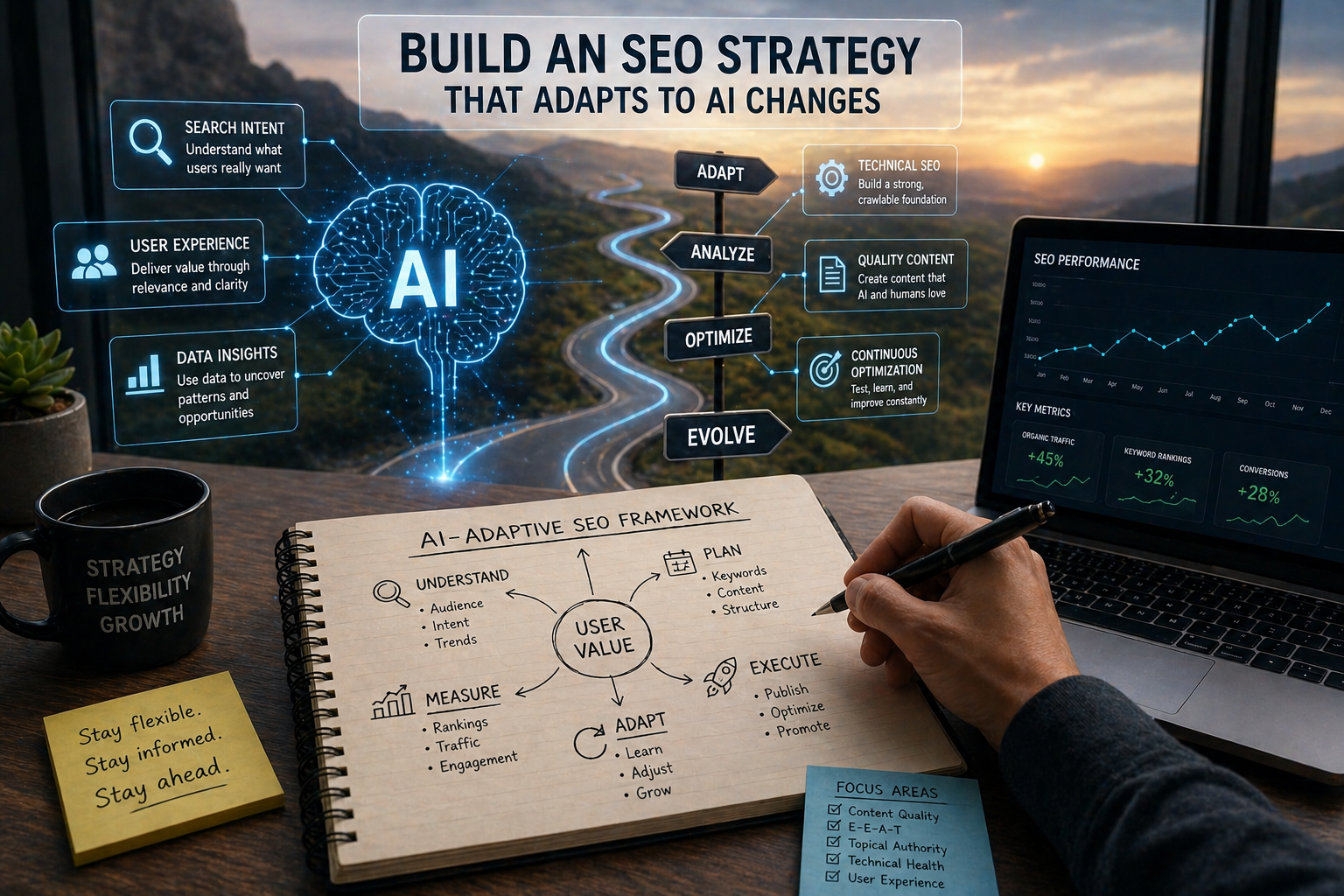
Search is no longer a list—it’s becoming a conversation. When users search today, they’re not just looking for links; they expect synthesized answers, curated insights, and immediate clarity. This shift is driven by Google’s Search Generative Experience (SGE), a new layer of AI-powered results that sits above traditional rankings and redefines how visibility works online. For businesses, this means that being “ranked” isn’t enough—you need to be referenced, summarized, and trusted by AI itself. That’s where modern organic SEO strategies must evolve, adapting to a system that prioritizes intent, context, and authority over simple keyword matching.
Understanding Search Generative Experience (SGE)
Search Generative Experience (SGE) is Google’s integration of generative AI directly into the search results page. Instead of simply listing websites, SGE creates AI-generated summaries that answer user queries instantly. These summaries are built from multiple sources, synthesizing information into a cohesive response that often eliminates the need for users to click through multiple pages.
SGE represents a fundamental shift in how search engines operate. Rather than acting as a directory, Google is becoming an answer engine. This changes the role of websites—from being destinations to becoming sources that feed AI-generated responses.
- AI-generated summaries appear at the top of results
- Follow-up questions are suggested dynamically
- Contextual answers are prioritized over exact keyword matches
- Multiple sources are combined into a single response
For businesses, understanding SGE is the first step toward staying competitive. It’s not just about visibility anymore—it’s about influence within AI-generated answers.
How SGE Changes Traditional Search Behavior
Traditional search behavior involved users scanning multiple links, comparing information, and making decisions based on what they found. SGE compresses this entire process into a single interaction.
Users now:
- Ask more complex, conversational queries
- Expect immediate, summarized answers
- Engage with follow-up prompts instead of new searches
- Rely on AI to filter and prioritize information
This shift reduces the number of clicks but increases the importance of being included in AI-generated responses. Businesses must adapt by creating content that answers questions comprehensively and aligns with user intent.
| Old Search Behavior | SGE Behavior |
|---|---|
| Multiple searches | Single, layered query |
| Click multiple links | Read AI summary |
| Manual comparison | AI-assisted decision-making |
Why SGE Is Reshaping Search Intent
Search intent has evolved from simple categories into complex, multi-layered needs. SGE interprets queries in context, understanding not just what users ask, but why they ask it.
For example, a query like “best marketing software” may include:
- Budget considerations
- Business size
- Industry-specific needs
- Feature comparisons
SGE processes all these factors simultaneously, delivering a tailored response. This means businesses must create content that addresses multiple dimensions of intent within a single piece.
This aligns with modern Search Engine Optimization practices, where understanding user intent is more important than targeting isolated keywords.
The Role of Content Depth in SGE Rankings
Content depth is a critical factor in SGE visibility. AI systems prioritize sources that provide comprehensive, well-structured information.
Shallow content is less likely to be referenced because it doesn’t provide enough context. In contrast, in-depth content:
- Covers multiple aspects of a topic
- Answers related questions
- Provides actionable insights
- Demonstrates expertise
Businesses should focus on creating “pillar content” that serves as a complete resource for a topic. This increases the likelihood of being included in AI-generated summaries.
How to Structure Content for SGE
SGE relies on structured content to extract and summarize information. Proper formatting improves the chances of your content being selected.
Best practices include:
- Using clear headings and subheadings
- Including bullet points and lists
- Answering questions directly
- Keeping paragraphs concise
Structured content is easier for AI to process and more likely to be featured in summaries.
The Importance of Authority and Trust
Authority is a key factor in SGE optimization. AI systems prioritize sources that demonstrate credibility and expertise.
Trust signals include:
- High-quality backlinks
- Accurate and updated information
- Strong brand reputation
- Positive user engagement
Building authority takes time, but it’s essential for long-term success in AI-driven search.
Optimizing for Conversational Queries
SGE is designed to handle natural language queries. Businesses must adapt by creating content that mirrors how people speak.
- Use question-based headings
- Write in a conversational tone
- Address specific user concerns
This approach improves both user experience and AI visibility.
The Impact of SGE on Local Search
Local search is becoming more personalized with SGE. AI considers location, preferences, and behavior to deliver tailored results.
This makes local SEO more important than ever. Businesses must ensure their online presence is accurate and consistent.
- Optimize Google Business profiles
- Encourage customer reviews
- Maintain consistent NAP (Name, Address, Phone)
Local relevance is a major factor in SGE rankings.
Measuring Success in an SGE World
Traditional metrics like clicks and impressions are no longer enough. Businesses must track:
- Brand visibility in AI summaries
- Engagement quality
- Conversion rates
Success in SGE is about influence, not just traffic.
Future-Proofing Your SEO Strategy
To stay competitive, businesses must adopt a forward-thinking approach:
- Focus on user intent
- Create comprehensive content
- Invest in authority building
- Continuously update content
The future of search belongs to those who adapt quickly.
Final Thoughts on SGE Optimization
Search Generative Experience is transforming how users interact with search engines and how businesses must approach visibility. It’s not just about ranking—it’s about being part of the answer.
Companies that embrace this shift will gain a competitive edge, while those that resist will struggle to stay relevant. By focusing on intent, structure, and authority, businesses can position themselves for success in the AI-driven future of search.
Platforms like GetPhound are helping businesses navigate this evolving landscape, ensuring they remain visible, relevant, and competitive in an AI-first world.