How to Create SEO Content That Aligns With AI Search Systems
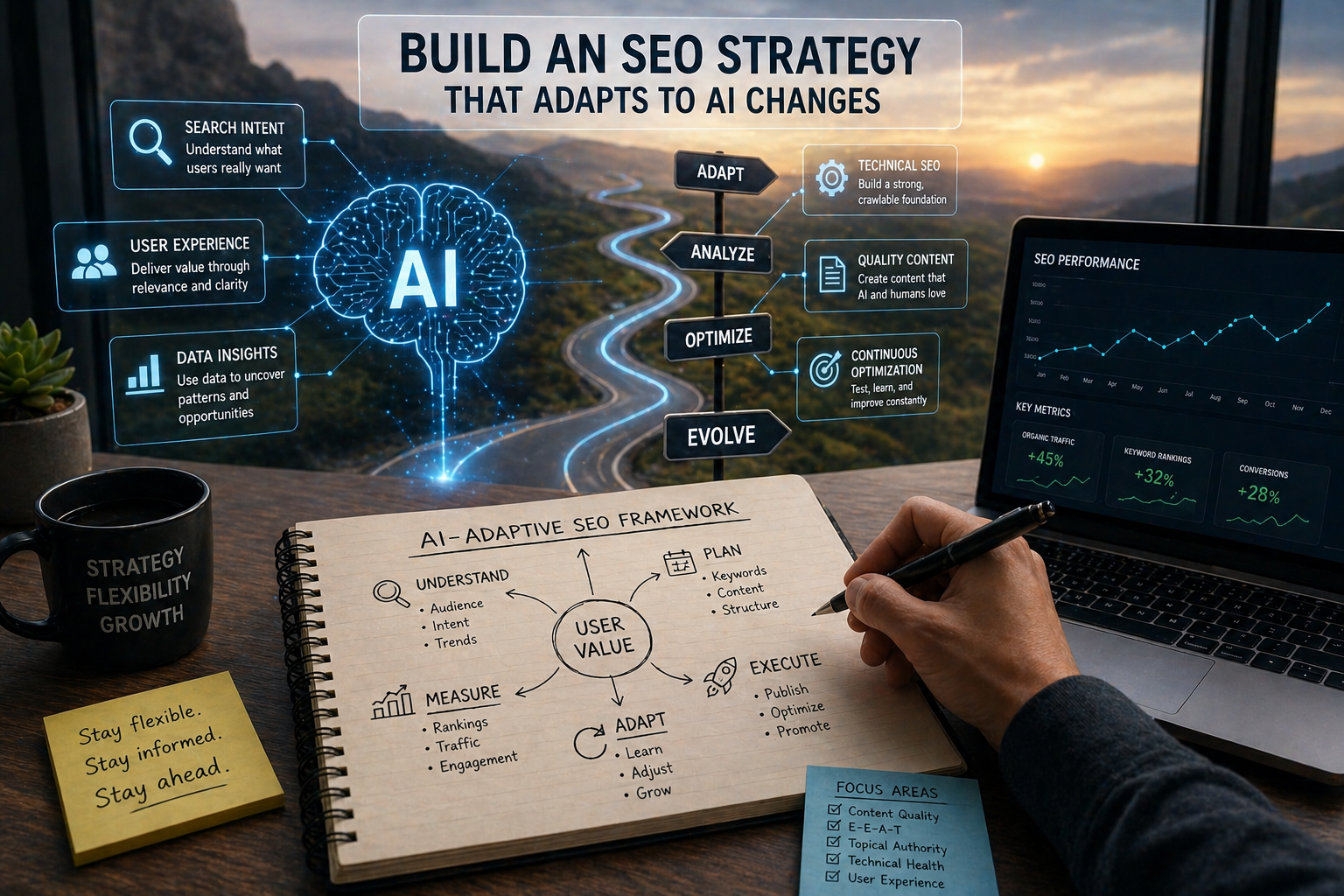
Search has quietly shifted. It’s no longer just about ranking on a page—it’s about being selected, summarized, and trusted by AI systems that decide what users see first. Traditional SEO tactics still matter, but they are no longer enough on their own. If your content isn’t structured, contextualized, and valuable in a way that AI understands, it risks being ignored entirely. That’s why businesses investing in organic SEO must now adapt to how AI-driven search interprets and delivers information.
Understanding How AI Search Systems Work
AI search systems go beyond keyword matching. They analyze meaning, relationships between topics, and user intent to deliver more accurate results.
Unlike traditional algorithms, AI systems:
- Interpret context instead of exact phrases
- Analyze user behavior patterns
- Prioritize relevance over keyword density
This shift means content must be written for understanding—not just optimization.
The Shift From Keywords to Context
Keywords still matter, but they are no longer the primary driver of rankings. Context has taken center stage.
AI evaluates:
- Topic relevance
- Semantic relationships
- Content completeness
This aligns with the broader principles of Search Engine Optimization, where understanding user intent is critical.
| Traditional SEO | AI-Driven SEO |
|---|---|
| Keyword-focused | Context-focused |
| Exact match | Semantic understanding |
Why User Intent Matters More Than Ever
AI systems prioritize content that satisfies user intent completely. Partial answers or shallow content are often ignored.
Types of intent include:
- Informational
- Transactional
- Comparative
Content that aligns with these intents is more likely to be surfaced by AI.
Structuring Content for AI Readability
Structure plays a major role in how AI systems interpret content. Well-organized content is easier to process and rank.
- Use clear headings
- Break content into sections
- Include bullet points and lists
This improves both user experience and algorithmic understanding.
The Importance of Content Depth and Completeness
AI systems favor content that fully answers a topic. Shallow content struggles to compete.
Deep content includes:
- Comprehensive explanations
- Supporting examples
- Related subtopics
Completeness signals authority and relevance.
Using Natural Language and Conversational Tone
AI systems are trained on natural language. Content that reads like a conversation performs better than rigid, keyword-heavy text.
- Avoid robotic phrasing
- Write clearly and naturally
- Focus on readability
This approach improves both engagement and ranking potential.
Optimizing for Featured Snippets and AI Summaries
AI search often pulls content directly into summaries or featured snippets.
To optimize for this:
- Answer questions directly
- Use concise paragraphs
- Include definitions and lists
These elements increase the chances of being featured.
Local Relevance in AI Search Results
AI systems also consider location when delivering results. This makes local SEO strategies more important than ever.
- Include location-specific content
- Use geo-targeted keywords
- Provide local insights
This helps AI connect your content to relevant audiences.
Building Authority and Trust Signals
AI systems prioritize content from trusted sources. Authority is built through consistent, high-quality content.
- Publish regularly
- Provide accurate information
- Earn backlinks
Trust signals increase your chances of being selected by AI systems.
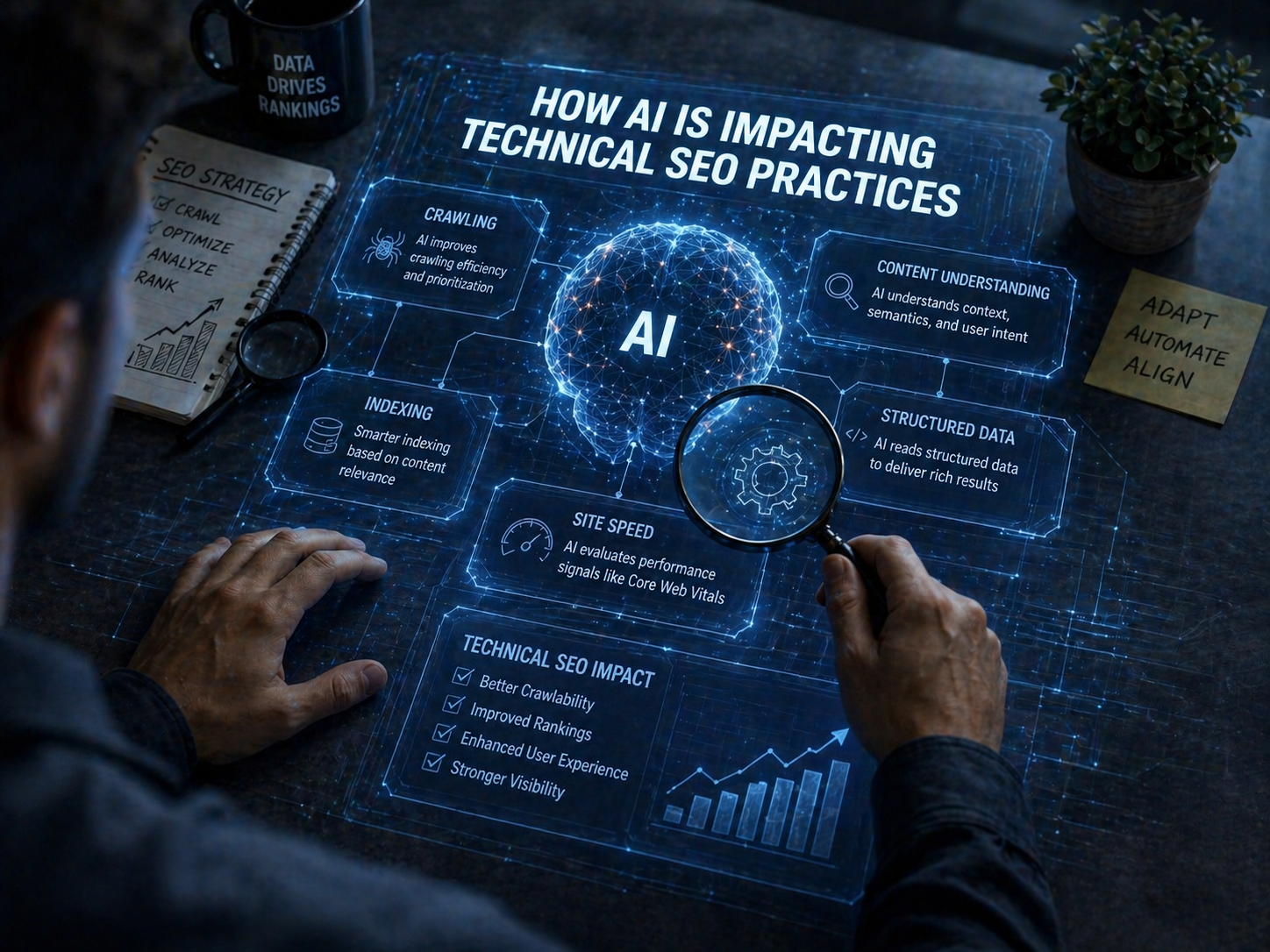
Technical SEO and Its Role in AI Alignment
Technical SEO ensures your content is accessible and easy to crawl.
- Fast loading speed
- Mobile optimization
- Structured data
These factors support AI systems in understanding and ranking your content.
Measuring Success in AI-Driven SEO
Tracking performance helps refine your strategy.
| Metric | Purpose |
|---|---|
| Organic Traffic | Measure reach |
| Engagement | Evaluate quality |
| Conversions | Measure results |
Analyzing these metrics ensures continuous improvement.
Final Thoughts on AI-Optimized SEO Content
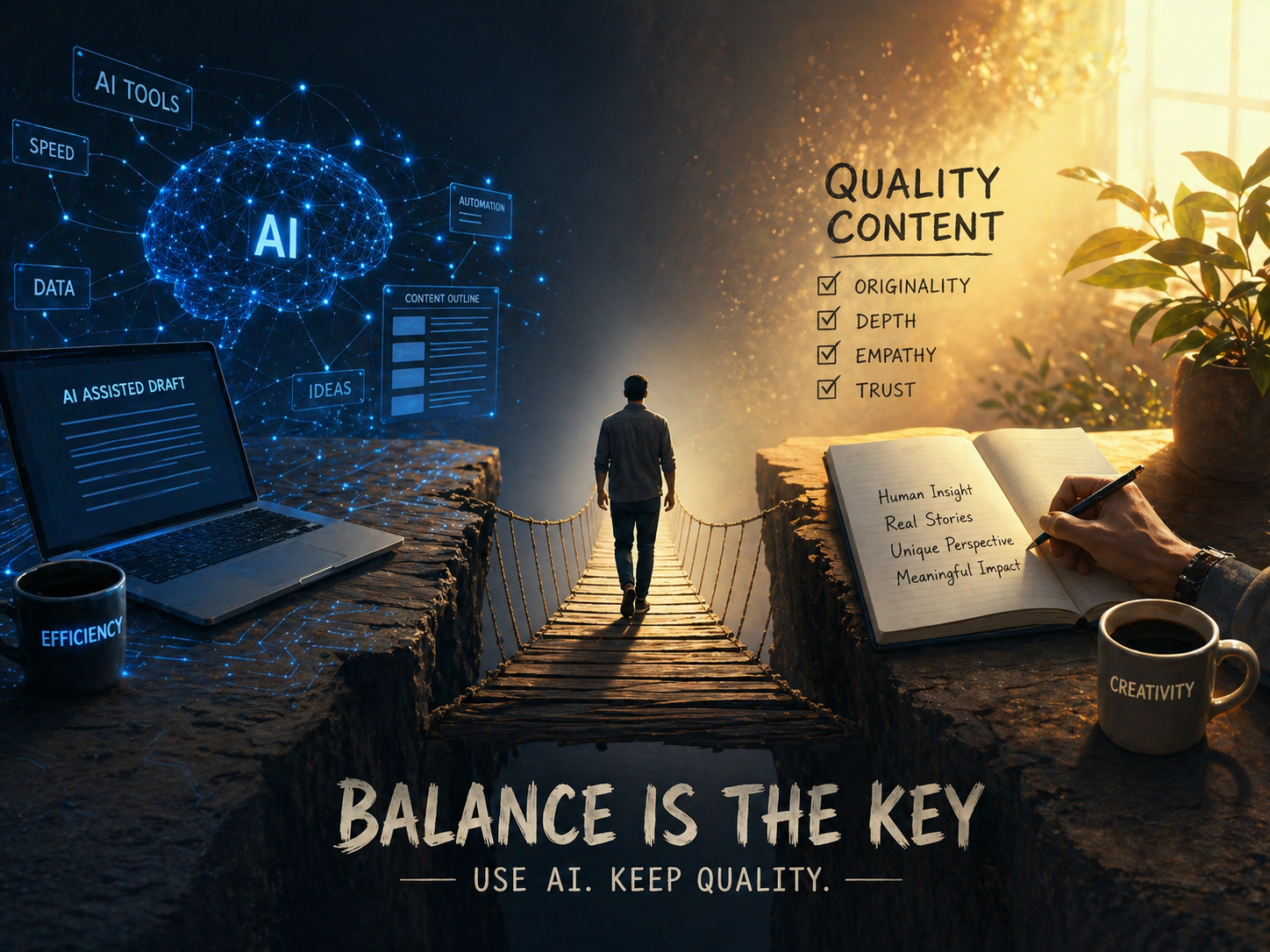
SEO is evolving, but the goal remains the same: provide value. AI search systems simply demand a higher standard of clarity, relevance, and depth.
By focusing on intent, structure, and quality, you can create content that not only ranks—but gets selected. For businesses looking to stay ahead in this evolving landscape, working with experts like GetPhound can help you build a strategy that aligns with the future of search.