How to Create Content That Ranks in AI Overviews and Traditional Search
Ranking used to be straightforward—optimize a page, target a keyword, build links, and climb the search results. Today, that playbook is only half the story. With AI Overviews transforming how information is displayed, your content must now perform double duty: rank in traditional search results while also being selected, summarized, and trusted by AI systems. This dual visibility requires a smarter, more intentional approach to organic SEO —one that focuses not just on ranking, but on becoming the best possible answer.
Understanding How AI Overviews Select Content
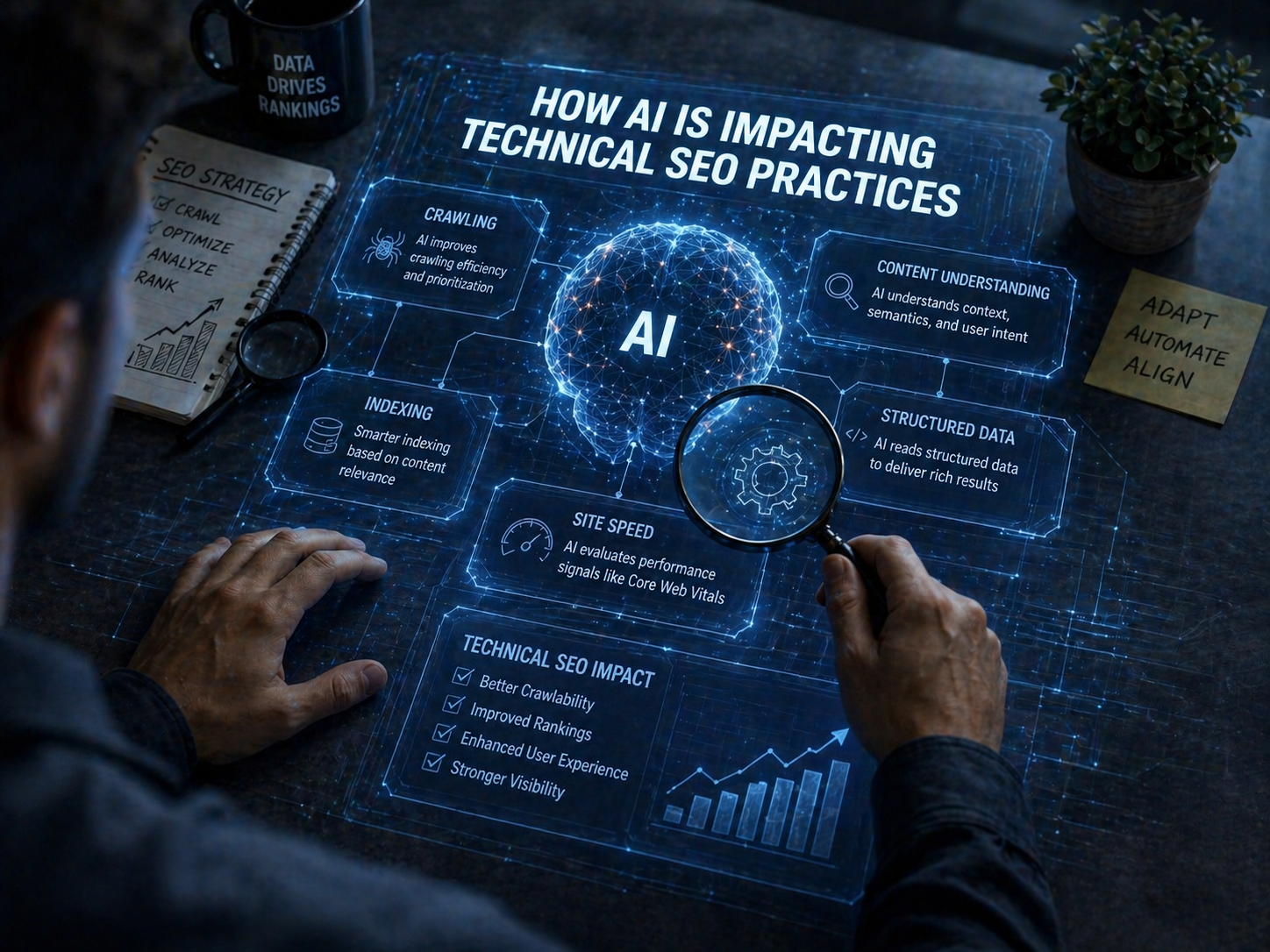
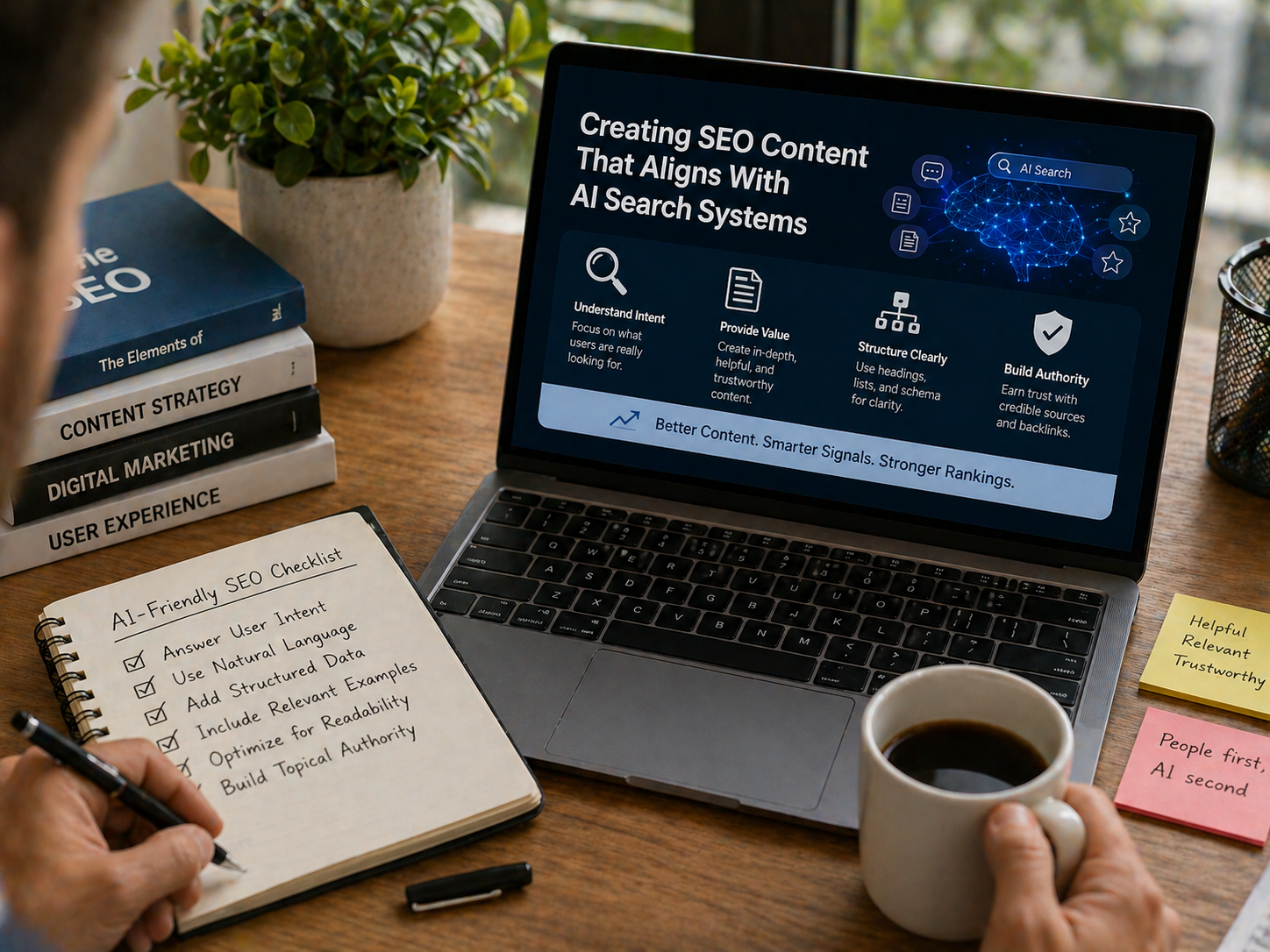
AI Overviews are designed to deliver fast, accurate, and context-rich answers by synthesizing information from multiple sources. Unlike traditional rankings, where position determines visibility, AI Overviews evaluate content based on relevance, clarity, authority, and structure.
To be selected, your content must:
- Directly answer the user’s query
- Provide clear, structured information
- Demonstrate topical authority
- Be easy for AI to parse and summarize
This means content should be written with both humans and machines in mind. AI doesn’t just scan for keywords—it interprets meaning, evaluates context, and prioritizes usefulness.
Why Traditional SEO Still Matters
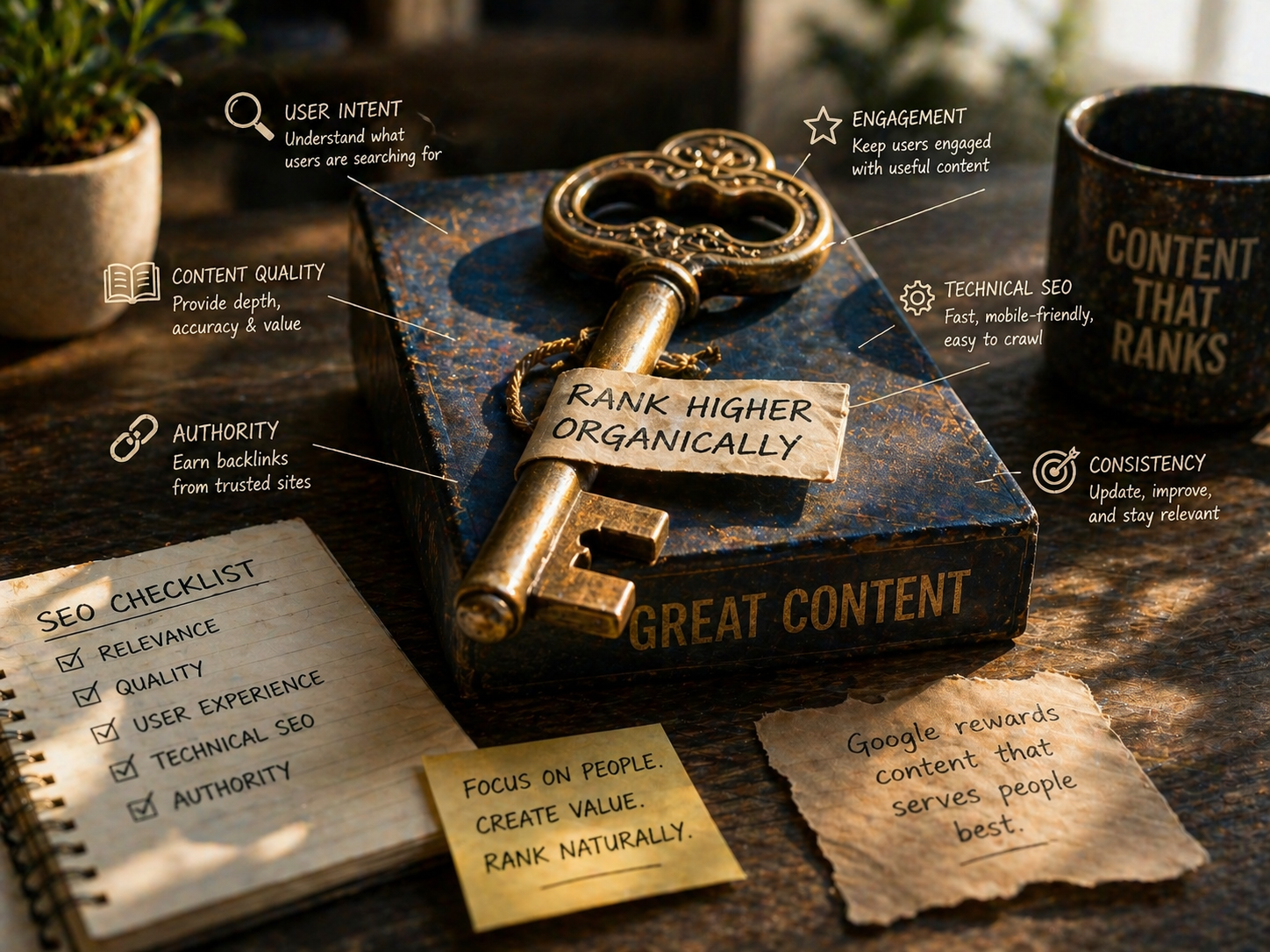
Despite the rise of AI Overviews, traditional SEO remains a critical foundation. Ranking well in standard search results increases the likelihood of your content being used as a source for AI summaries.
Core principles of Search Engine Optimization still apply:
- Keyword relevance
- High-quality backlinks
- Technical optimization
- User experience
The difference is that these elements must now work alongside AI-focused strategies. Instead of replacing traditional SEO, AI Overviews enhance and build upon it.
Creating Content That Matches Search Intent
Search intent is the foundation of both traditional rankings and AI selection. Content that aligns with what users truly want will always perform better.
There are four primary types of intent:
- Informational
- Navigational
- Transactional
- Commercial investigation
AI Overviews often combine these intents into a single response. Your content should do the same by addressing multiple aspects of a query within one page.
Structuring Content for AI and Humans
Structure plays a major role in how content is interpreted. Well-organized content is easier for AI to extract and summarize.
Best practices include:
- Clear headings and subheadings
- Short, focused paragraphs
- Bullet points for key information
- Tables for comparisons
| Unstructured Content | Structured Content |
|---|---|
| Long paragraphs | Short, scannable sections |
| No hierarchy | Clear headings |
| Hard to read | Easy to extract information |
The Importance of Topical Authority
Topical authority is the depth and breadth of your expertise on a subject. AI systems favor sources that consistently produce high-quality content within a niche.
To build authority:
- Create comprehensive guides
- Publish related content regularly
- Interlink relevant pages
- Update content frequently
The more complete your coverage of a topic, the more likely your content will be referenced in AI Overviews.
Optimizing for Conversational Queries
AI Overviews are driven by natural language queries. Users are asking longer, more specific questions.
Examples:
- “What’s the best CRM for small businesses under $50?”
- “How do I improve local SEO for a small law firm?”
Your content should reflect this by:
- Using question-based headings
- Providing direct answers
- Maintaining a conversational tone
Leveraging Local SEO for AI Visibility
Local search is becoming increasingly important in AI-driven results. AI considers location, preferences, and behavior when delivering answers.
This makes local SEO essential for businesses targeting specific areas.
- Optimize Google Business profiles
- Maintain consistent business information
- Encourage customer reviews
Strong local signals improve your chances of appearing in both traditional results and AI summaries.
Enhancing Content with Data and Visual Elements
Data-driven content is more credible and engaging. AI systems also prioritize factual, well-supported information.
- Use statistics and research
- Include charts and tables
- Provide real-world examples
Visual elements improve readability and make your content more appealing to both users and AI systems.
Measuring Performance in an AI-Driven Landscape
Traditional metrics like clicks and impressions are no longer enough. Businesses must track:
- Visibility in AI Overviews
- Engagement quality
- Conversion rates
Success is about influence, not just traffic.
Common Mistakes to Avoid
Many businesses struggle to adapt to AI-driven search. Common mistakes include:
- Focusing only on keywords
- Ignoring content structure
- Producing shallow content
- Neglecting user experience
Avoiding these pitfalls can significantly improve your performance.
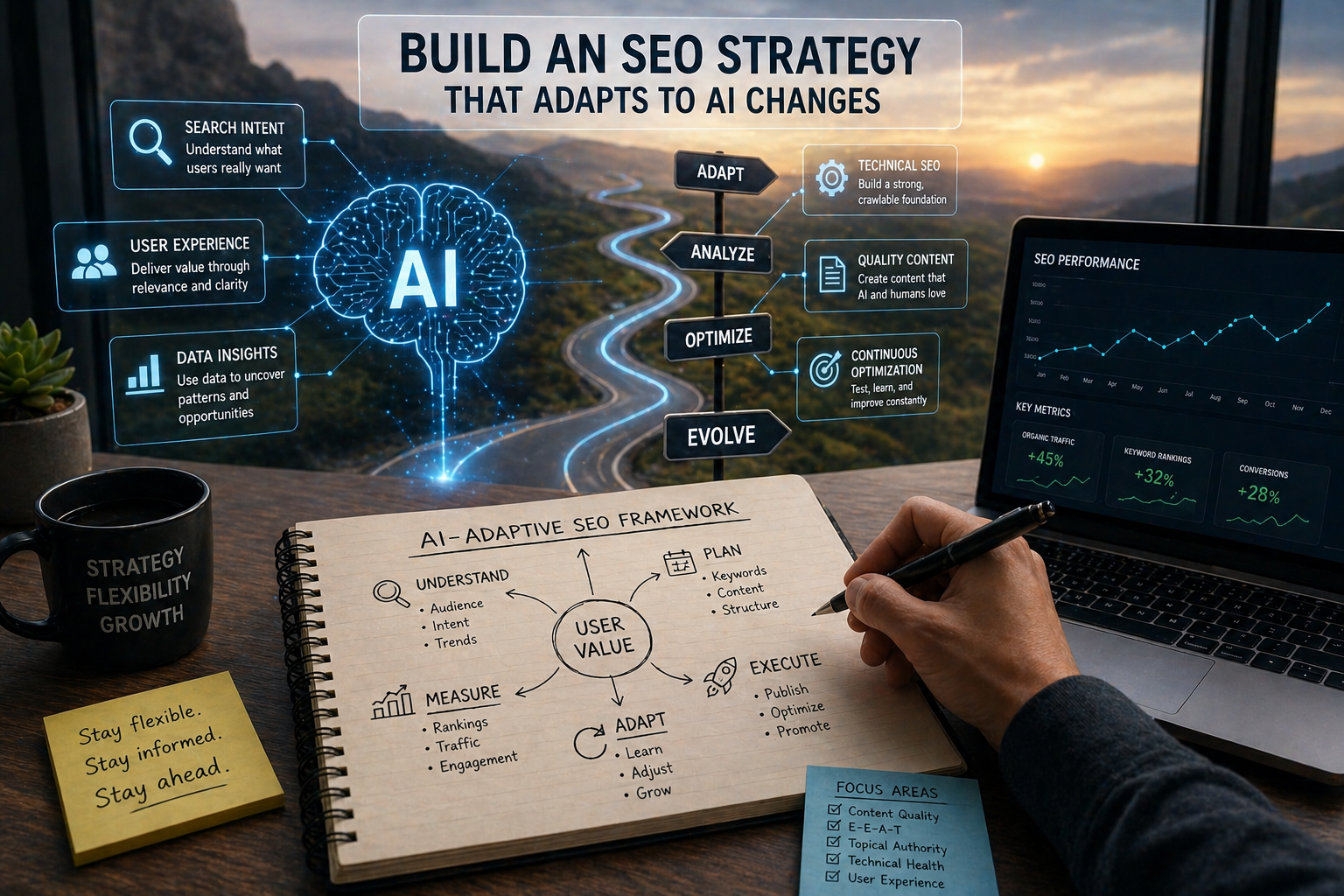
Building a Future-Proof Content Strategy
To stay competitive, businesses must:
- Focus on user intent
- Create comprehensive content
- Continuously update information
- Invest in authority building
The future of search rewards those who provide value and adapt quickly.
Final Thoughts on Ranking in AI and Traditional Search
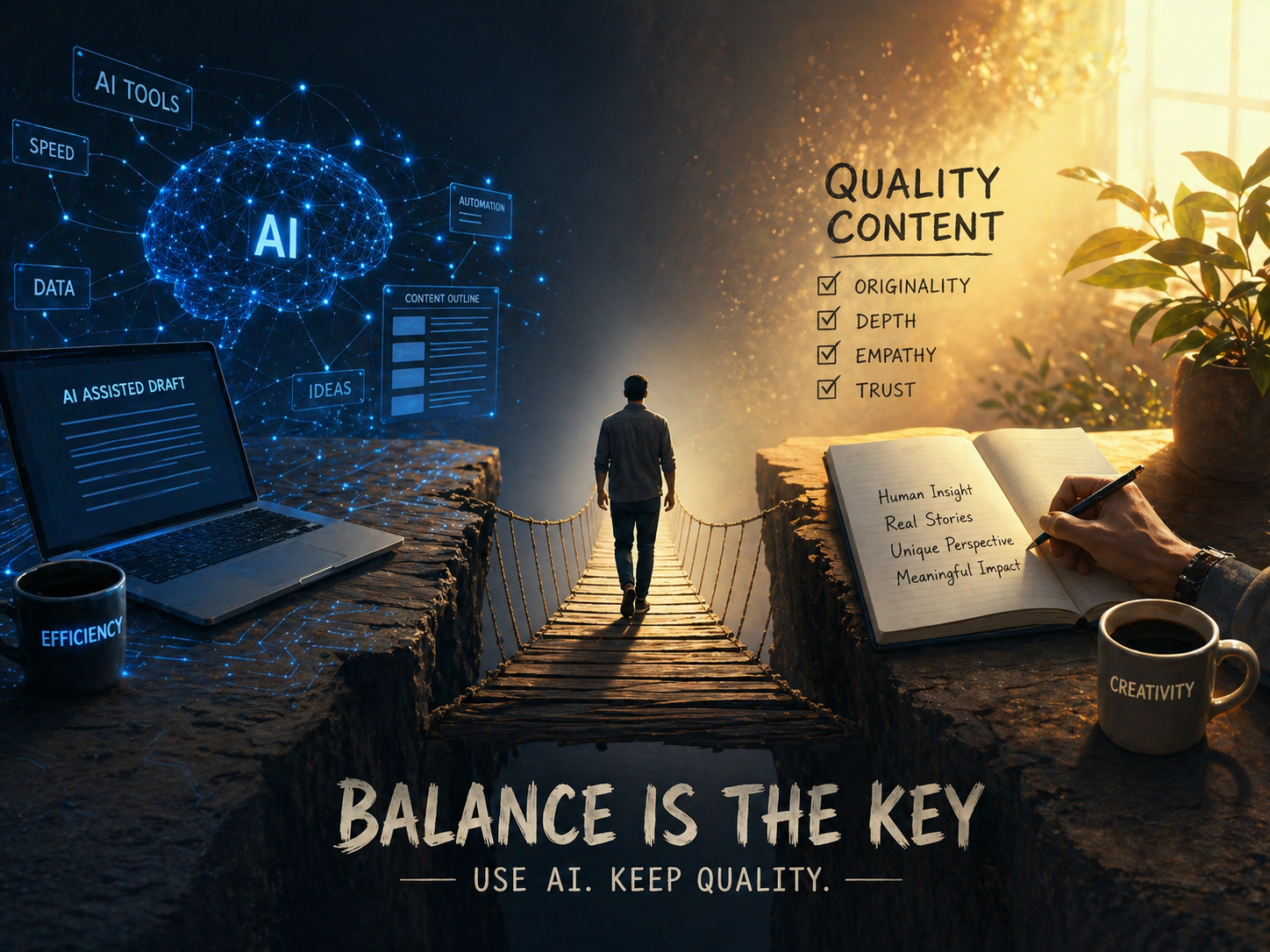
Creating content that ranks in both AI Overviews and traditional search requires a balanced approach. It’s about combining the fundamentals of SEO with a deeper understanding of how AI interprets and delivers information.
Businesses that embrace this shift will gain a significant advantage, positioning themselves as trusted sources in an increasingly competitive digital landscape.
Platforms like GetPhound help businesses navigate this evolving environment, ensuring they remain visible, relevant, and successful in both AI-driven and traditional search results.