How Generative AI Is Changing Search Intent (And What Businesses Must Do)
Search behavior isn’t just evolving—it’s being rewritten in real time. The traditional idea of a user typing a few keywords and scrolling through ten blue links is fading. Today, users expect immediate, contextual, and conversational answers. Generative AI tools are no longer just assisting search; they are redefining how people express intent, evaluate options, and make decisions. For businesses, this shift isn’t optional to adapt to—it’s critical for survival. Companies that understand how AI reshapes intent will dominate visibility, while those stuck in outdated SEO thinking risk becoming invisible.
Search Intent Is No Longer Linear
In the past, search intent followed predictable patterns: informational, navigational, transactional, and commercial investigation. These categories still exist, but generative AI has blurred the lines between them. Users now interact with search engines in a conversational way, often combining multiple intents into a single query.
- “What’s the best CRM for small businesses and how much does it cost?”
- “Compare local plumbers near me with reviews and pricing”
- “Write me a workout plan and recommend equipment I can buy”
These are not simple keyword queries—they’re layered requests. AI systems interpret these prompts holistically, delivering synthesized answers rather than directing users to multiple sources. This changes how businesses must think about content. Instead of targeting isolated keywords, content must address complete user journeys within a single page.
This is where organic SEO strategies must evolve. It's no longer about ranking for one keyword—it’s about being the most comprehensive and contextually relevant source for a topic.
The Rise of Zero-Click Searches
Generative AI is accelerating the rise of zero-click searches, where users get answers directly on the search results page without clicking through to a website. AI-generated summaries, featured snippets, and conversational responses reduce the need for users to visit multiple sites.
This creates both a challenge and an opportunity:
| Challenge | Opportunity |
|---|---|
| Reduced website traffic | Increased brand visibility in AI summaries |
| Fewer clicks from SERPs | Authority positioning as a trusted source |
| Harder to track engagement | Higher-quality leads when users do click |
Businesses must shift focus from “clicks” to “influence.” If your content is cited or referenced by AI systems, you gain credibility—even if the user doesn’t click immediately.
Conversational Queries Are Dominating Search
People are no longer searching like robots—they’re searching like they talk. Voice search and AI chat interfaces have normalized natural language queries.
- Old search: “best gym Glendale AZ”
- New search: “What’s the best gym in Glendale AZ for beginners with flexible hours?”
This shift means content must mirror natural language patterns. Businesses should:
- Use conversational headings
- Answer specific questions directly
- Structure content for readability and clarity
The more your content feels like a direct answer to a real person, the more likely it is to be surfaced by AI-driven search engines.
AI Prioritizes Context Over Keywords
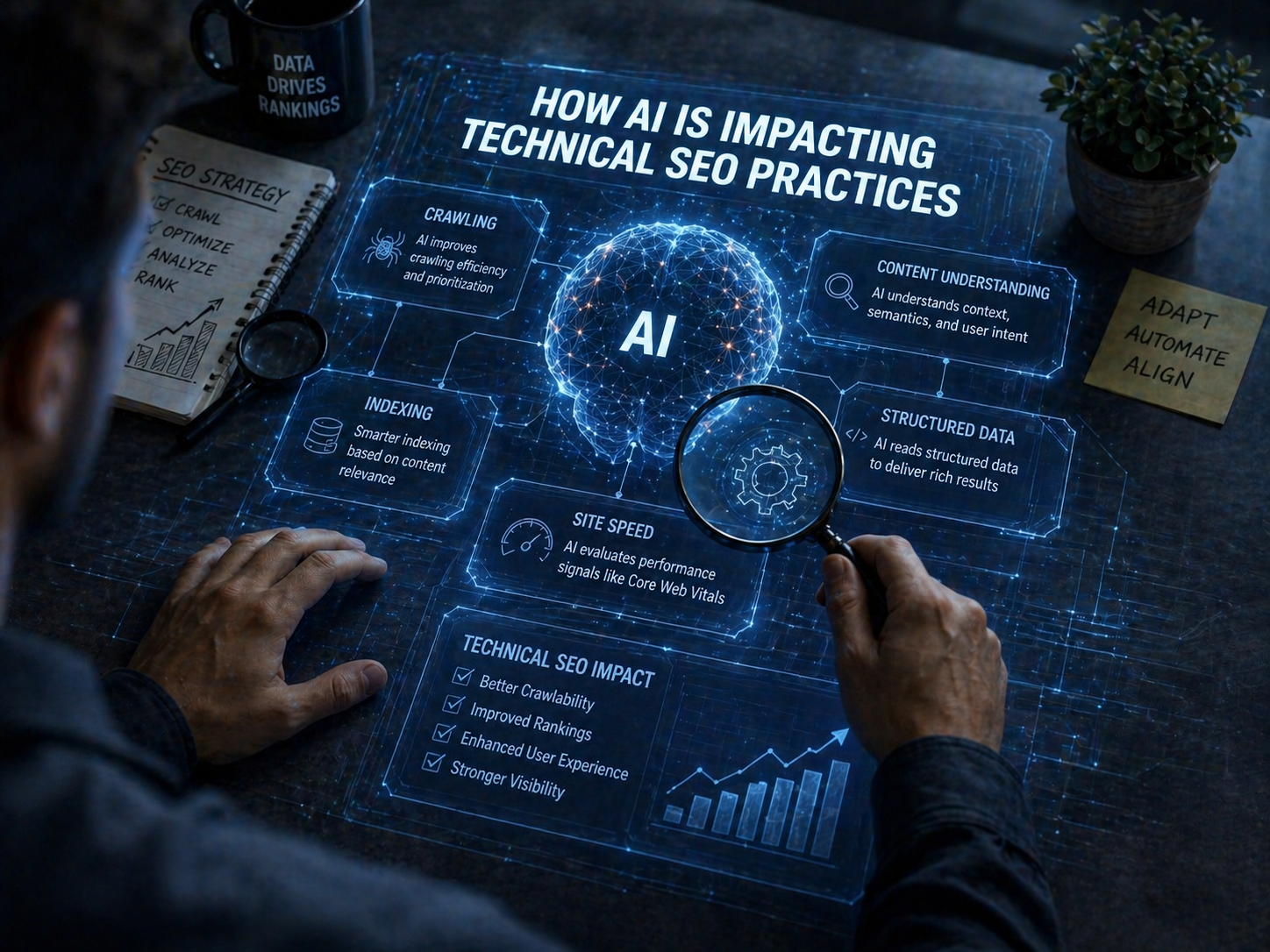
Traditional SEO relied heavily on keyword density and exact match phrases. Generative AI, however, focuses on context, semantics, and intent. It understands relationships between topics, not just individual words.
For example, a page about “home buying tips” should naturally include related concepts like:
- Mortgage rates
- Down payments
- Real estate agents
- Closing costs
This aligns with modern Search Engine Optimization practices, where topical authority matters more than keyword repetition. Businesses must build content ecosystems rather than isolated pages.
Search Is Becoming Predictive
Generative AI doesn’t just respond—it anticipates. Based on user behavior, location, and previous queries, AI systems predict what users will ask next and provide proactive suggestions.
This means businesses must:
- Address follow-up questions within their content
- Provide comprehensive answers upfront
- Think beyond the initial query
If your content answers not just the first question but the next three, you significantly increase your chances of being featured in AI-generated responses.
Local Search Is Becoming Hyper-Personalized
Generative AI is transforming local search into a highly personalized experience. Instead of showing generic results, AI considers:
- User location
- Preferences
- Past behavior
- Time of day
For example, two users searching “best coffee shop near me” may receive completely different results based on their habits and context.
This makes local SEO more important than ever. Businesses must ensure their:
- Google Business profiles are optimized
- Reviews are consistent and positive
- Location data is accurate across platforms
Hyper-local relevance is now a major ranking factor in AI-driven search results.
Content Must Be Structured for AI Consumption
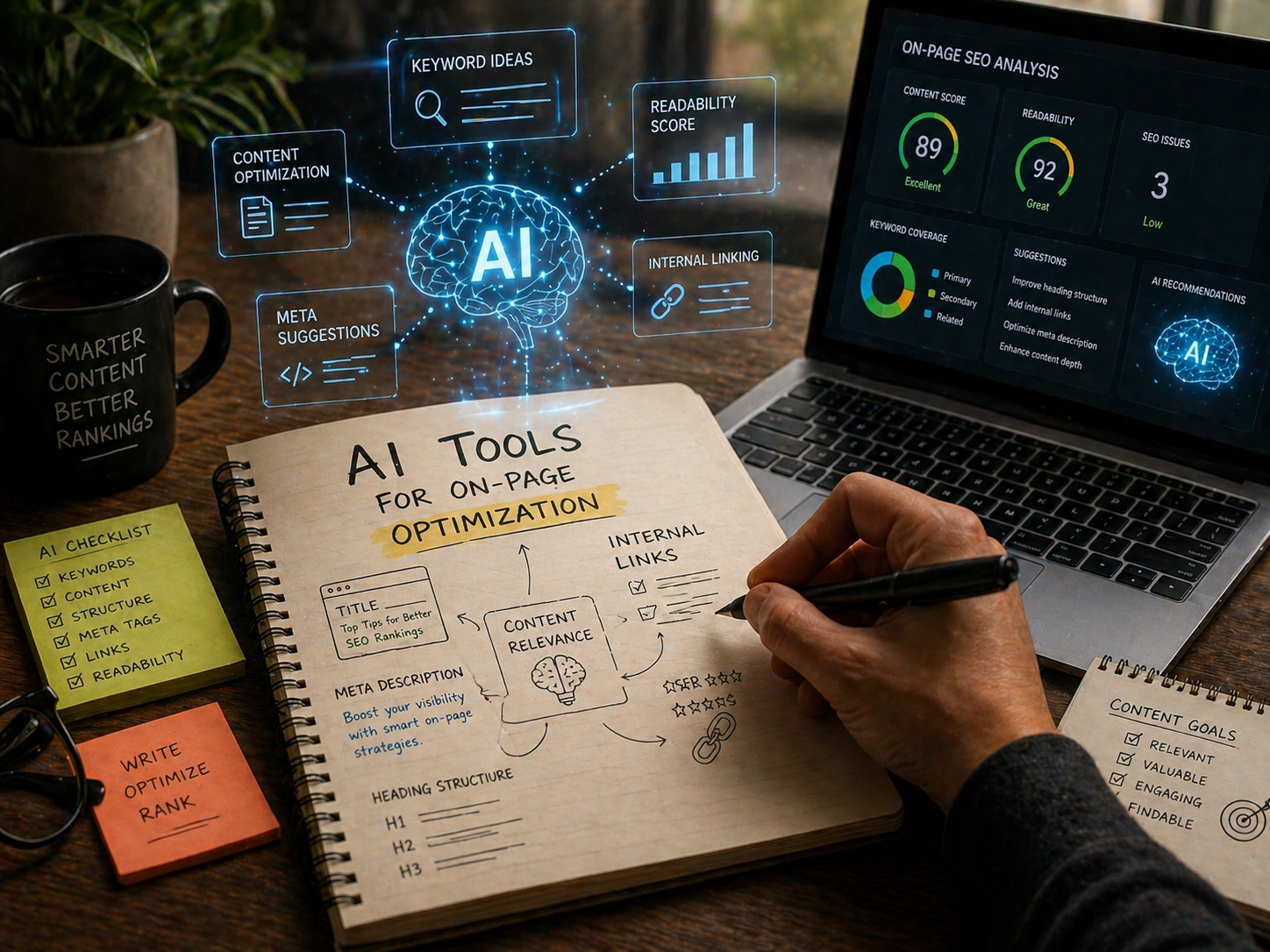
AI systems don’t read content the same way humans do. They parse structure, extract key information, and summarize insights. This means formatting is just as important as the content itself.
Best practices include:
- Using clear headings and subheadings
- Including bullet points and tables
- Answering questions directly
- Keeping paragraphs concise
Well-structured content is easier for AI to interpret and more likely to be featured in search summaries.
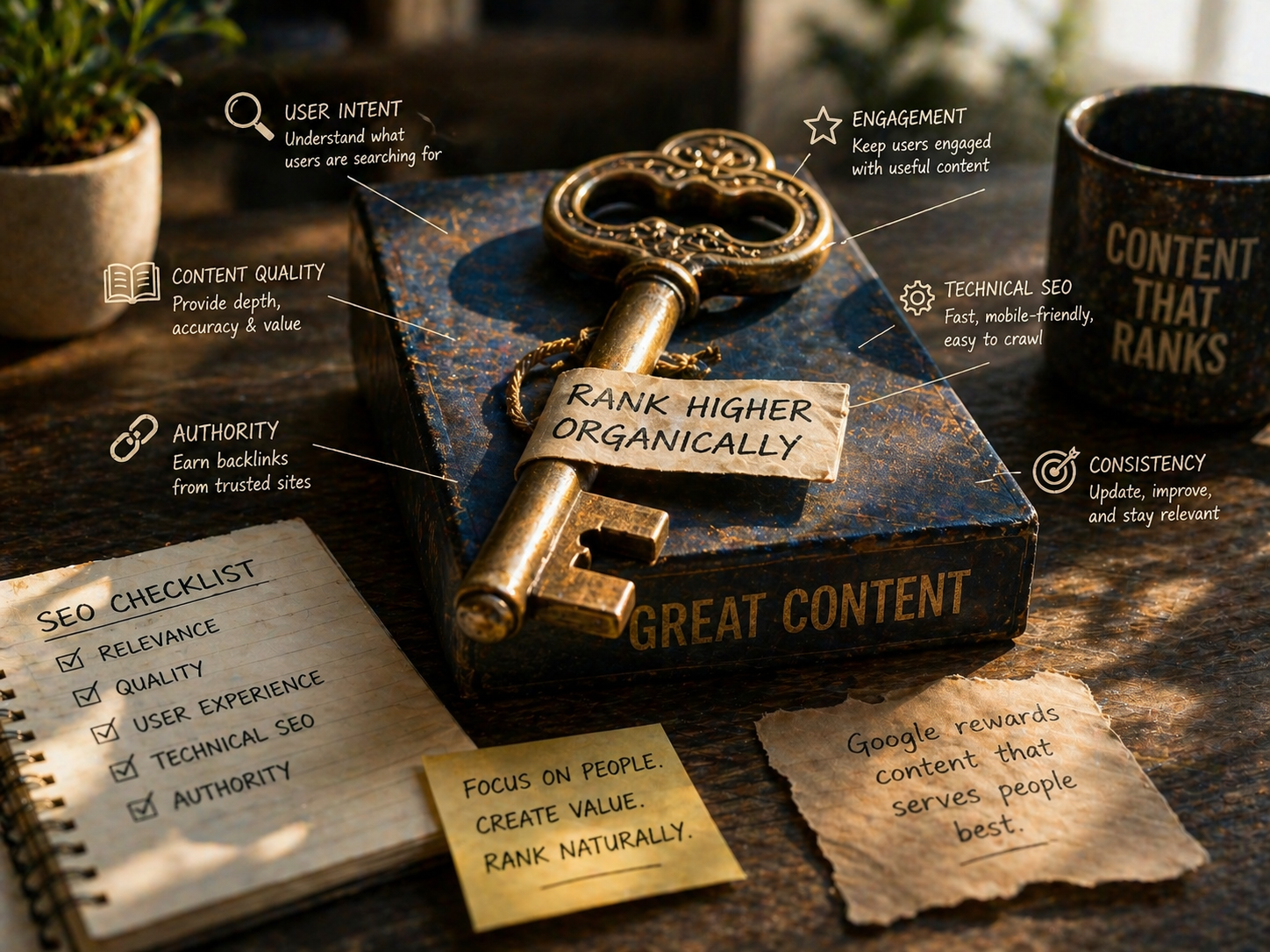
Authority and Trust Signals Matter More Than Ever
Generative AI prioritizes trustworthy sources. Content that demonstrates expertise, credibility, and reliability is more likely to be referenced.
Key trust signals include:
- Author expertise
- Accurate and updated information
- Strong backlinks
- Positive user engagement
Businesses must invest in building authority—not just producing content. Thought leadership, case studies, and original insights are critical.
User Experience Is Now a Ranking Factor
AI-driven search considers user experience signals such as:
- Page load speed
- Mobile optimization
- Time on page
- Bounce rate
A well-designed website doesn’t just improve usability—it directly impacts visibility in AI-powered search results.
Businesses Must Shift from Traffic to Value
The ultimate shift is philosophical. Instead of chasing traffic, businesses must focus on delivering value. AI systems reward content that genuinely helps users.
This means:
- Solving real problems
- Providing actionable insights
- Building long-term trust
When your content consistently delivers value, it becomes a reliable source for both users and AI systems.
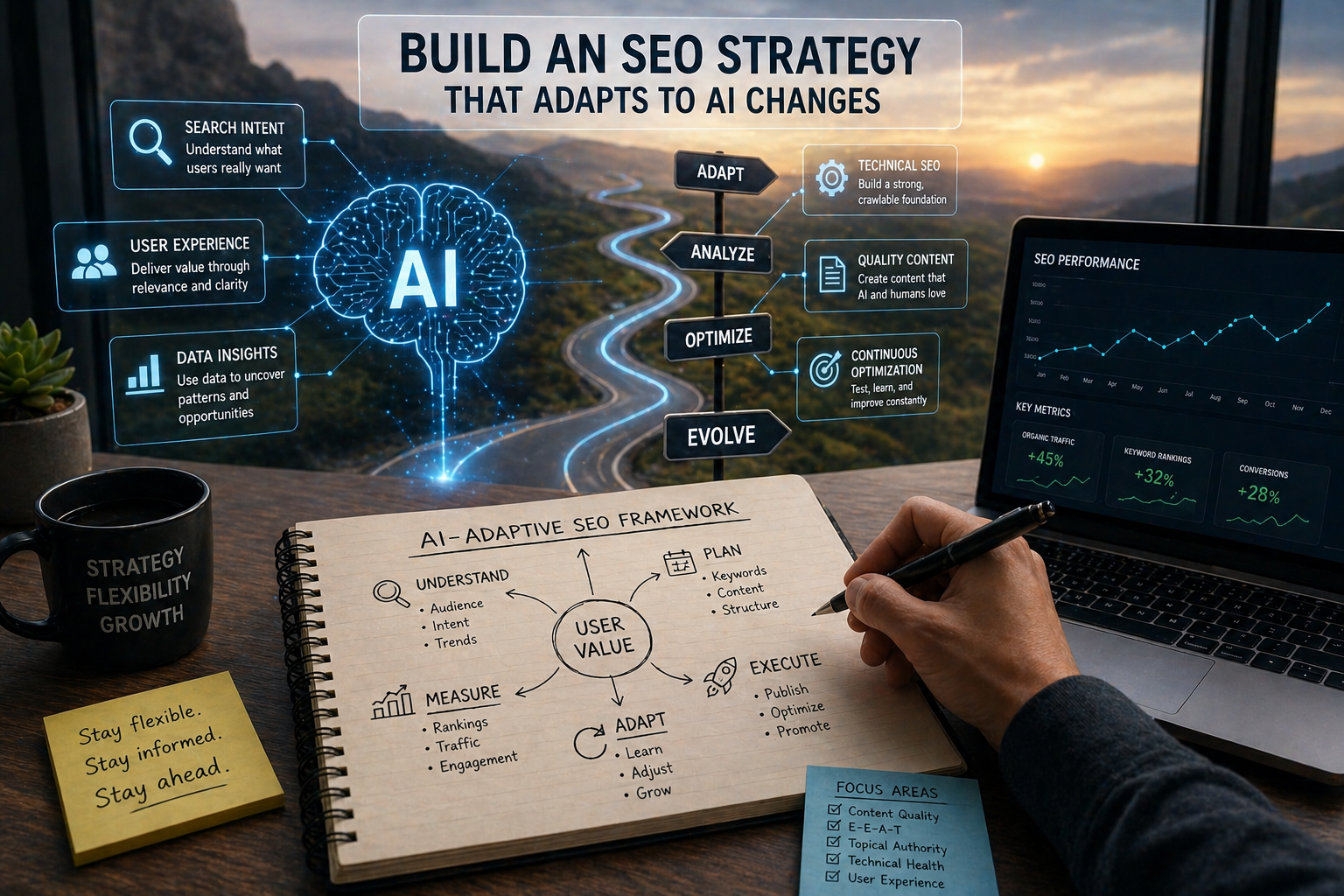
Adapting Your Strategy for the AI-Driven Future
To stay competitive, businesses must rethink their entire digital strategy. This includes:
| Old Approach | New Approach |
|---|---|
| Keyword targeting | Intent-based content |
| Short-form pages | Comprehensive guides |
| Traffic-focused | Value-focused |
| Static content | Dynamic, updated content |
The businesses that adapt quickly will gain a significant competitive advantage.
Final Thoughts on the Future of Search
Generative AI is not just another update—it’s a fundamental shift in how search works. It changes how users ask questions, how answers are delivered, and how businesses must position themselves online.
To succeed in this new landscape, companies must embrace a more holistic, user-focused approach to content and visibility. This means understanding intent at a deeper level, creating meaningful experiences, and continuously adapting to evolving technologies.
Platforms like GetPhound are helping businesses navigate this transformation by aligning modern SEO strategies with AI-driven search behavior. Those who invest in the right approach today will not only stay visible—they’ll lead the future of search.