What are location landing pages and how should you structure them?
For businesses with multiple locations, a website is no longer just a digital brochure—it’s a lead-generating machine that must serve both a broad audience and specific local markets. One of the most powerful tools for achieving this balance is the location landing page. Unlike generic pages or your homepage, location landing pages target individual geographic areas, delivering highly relevant information to both search engines and potential customers.
The magic of location landing pages lies in their ability to combine hyper-local SEO with compelling content that drives action. A customer searching for “plumber in downtown Dallas” doesn’t want to see a generic city page or a contact form buried in a global homepage—they want relevant, nearby solutions they can trust. Done right, location landing pages increase visibility in local search, improve click-through rates, and drive conversions by showing users that your business understands and serves their specific area.
In this blog, we’ll explore what location landing pages are, why they’re essential, and how to structure them effectively for maximum SEO impact and user engagement.
Understanding Location Landing Pages
A location landing page is a dedicated web page that represents a specific business location or service area. These pages are designed to capture search traffic from users looking for products or services within a particular geographic area.
Key characteristics of location landing pages include:
- Hyper-local content: Includes city or neighborhood references, landmarks, and local context.
- Targeted keywords: Optimized for location-specific search queries such as “[Service] in [City].”
- Action-oriented messaging: Clear calls-to-action like “Call Now” or “Schedule an Appointment.”
- Consistent branding: Maintains the overall voice and visual identity of the business while emphasizing local relevance.
Location landing pages are essential for multi-location businesses because they help search engines understand which locations you serve, increasing your chances of appearing in local map packs, organic searches, and “near me” queries.
Why Location Landing Pages Are Important
Businesses often make the mistake of funneling all local traffic to their homepage. While a homepage provides general information, it rarely converts visitors searching for a specific location. Location landing pages improve both SEO and user experience by:
- Enhancing visibility in Google Maps and local search results
- Providing location-specific content that resonates with users
- Reducing bounce rates by delivering highly relevant information
- Increasing conversion rates with clear local calls-to-action
Search engines reward pages that demonstrate geographic relevance and authority. By creating individual pages for each location, businesses can dominate local search results while delivering a tailored experience for customers.
Keyword Research for Local Landing Pages
Optimizing a location landing page starts with the right keywords. Targeting local search terms ensures your page ranks for queries that matter most.
Steps to effective keyword research:
- Identify primary location-based keywords, e.g., “dentist in Midtown Atlanta”
- Include secondary keywords such as neighborhoods, landmarks, or nearby areas
- Research long-tail phrases like “emergency plumbing services near Central Park”
- Analyze competitors’ location pages to uncover opportunities
Use these keywords naturally in headings, meta descriptions, and body copy. Avoid keyword stuffing, which can hurt rankings and user experience. Instead, focus on integrating keywords organically to maintain readability and engagement.
Structuring Your Location Landing Page
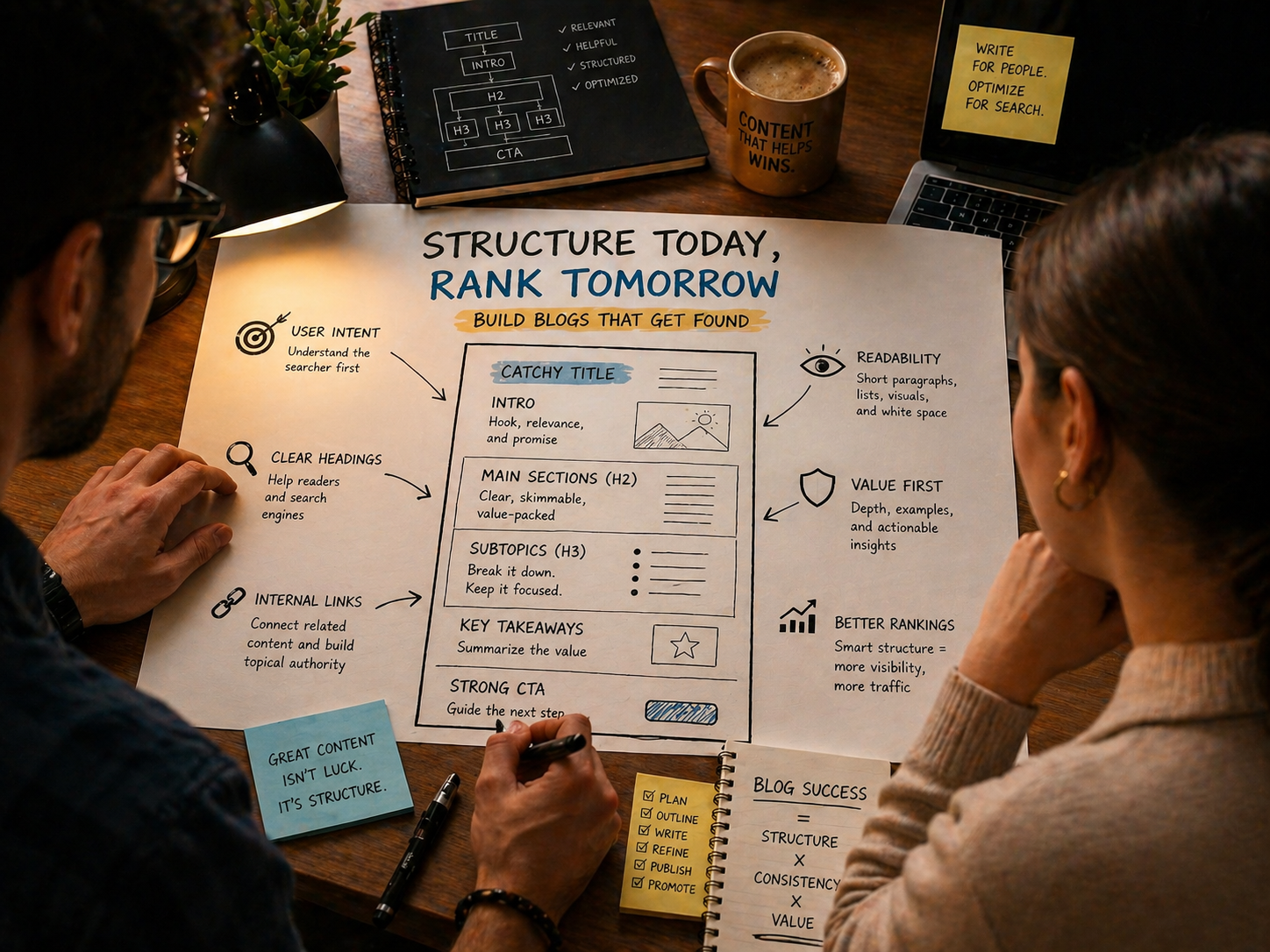
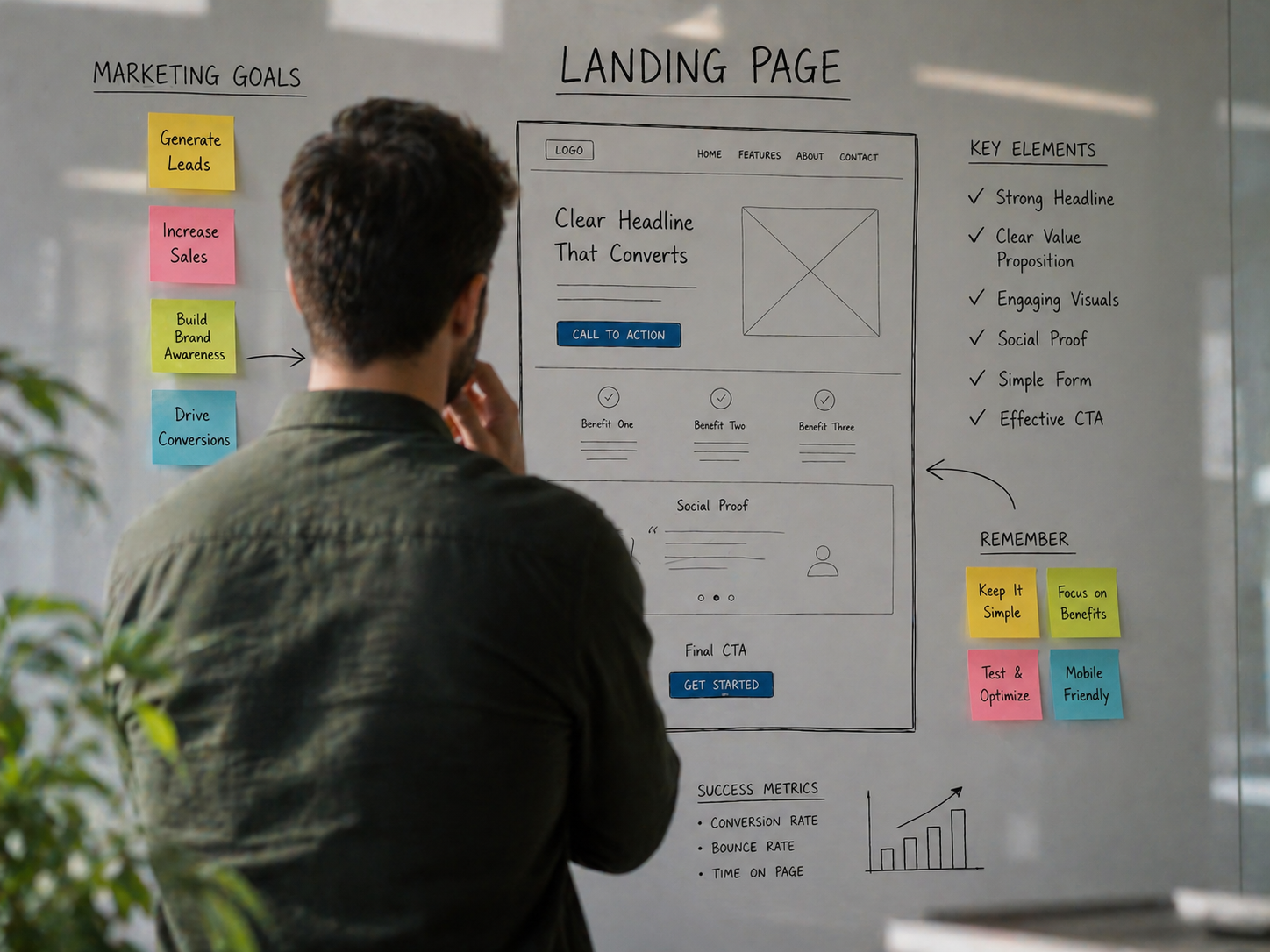
A well-structured page enhances both SEO and user experience. Effective location landing pages typically include:
- Page Title: Include the location and service, e.g., “Best Pizza in Downtown Chicago.”
- Meta Description: Highlight local relevance and include a call-to-action.
- Header Tags (H1, H2, H3): Organize content clearly with location-specific headings.
- Body Content: Explain services, highlight local relevance, and address common customer questions.
- Calls-to-Action: Make it easy for users to contact, book, or visit.
- Local Images or Videos: Showcase the location, staff, or customer experiences.
A clear, organized structure helps Google understand the page’s intent and improves user engagement, increasing the likelihood of conversions.
Crafting Hyper-Local Content
Hyper-local content goes beyond mentioning the city name. It demonstrates familiarity with the area and provides real value to local visitors.
Strategies for hyper-local content:
- Highlight nearby landmarks, neighborhoods, or events
- Include testimonials or case studies from local customers
- Mention local regulations, trends, or challenges relevant to your service
- Incorporate seasonal or community-specific insights
By demonstrating knowledge of the area, you not only appeal to potential customers but also signal to search engines that your business is a trusted local authority.
Adding Location-Specific Visuals
Visual elements improve engagement and provide additional local context. Images and videos can signal geographic relevance to both users and search engines.
Best practices for visuals include:
- Including photos of your storefront, team, or location-specific services
- Using descriptive alt text with local keywords
- Adding interactive maps or neighborhood guides
- Incorporating short videos featuring staff or customer experiences in that area
Visuals help users feel connected to your business while enhancing SEO signals through image optimization and contextual relevance.
Leveraging Reviews and Testimonials
Customer reviews are a key component of local SEO and credibility. Location landing pages can showcase reviews specific to that area, reinforcing trust and increasing conversion potential.
Tips for using reviews effectively:
- Feature testimonials from customers in the specific location
- Include star ratings or review snippets in schema markup for rich results
- Encourage new reviews with location-specific calls-to-action
- Highlight before-and-after photos if applicable
By combining authentic local reviews with actionable content, businesses strengthen both search engine signals and user confidence.
Linking and Internal SEO for Location Pages
Internal linking is crucial for signaling the hierarchy of your website to search engines. Proper linking helps pages rank and drives users to additional relevant content.
Internal SEO strategies:
- Link location pages from your homepage and main navigation
- Connect related service pages to the location landing page
- Use anchor text that includes location keywords
- Incorporate outbound links to local directories or reputable local partners
A robust internal linking structure improves crawlability, distributes link equity, and ensures both users and search engines can navigate your site efficiently.
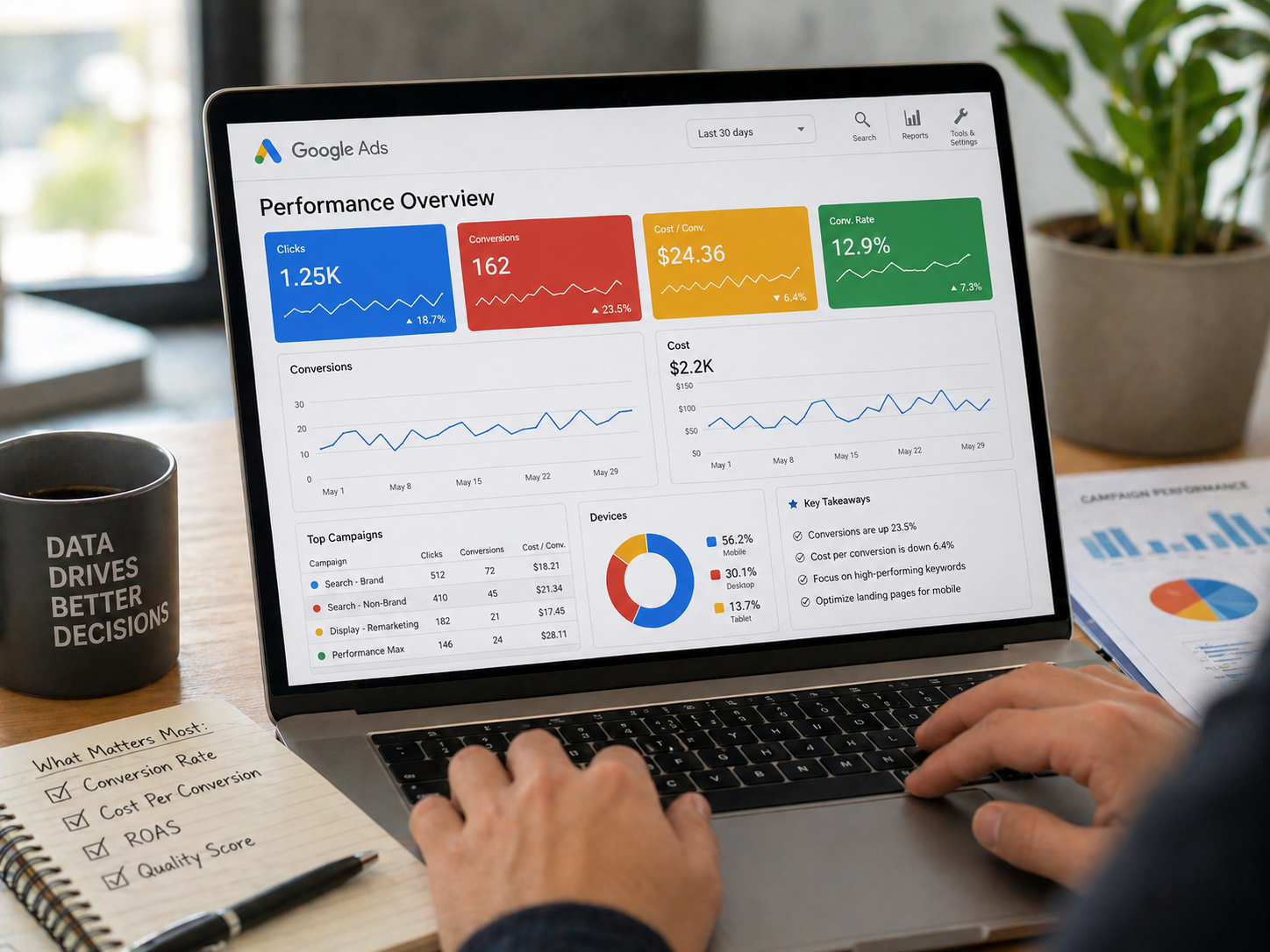
Monitoring Performance and Updating Pages
Launching a location landing page is only the beginning. Monitoring performance and updating content regularly ensures the page continues to rank and convert.
Metrics to track:
- Organic traffic and local keyword rankings
- Engagement metrics like time on page and bounce rate
- Conversion actions, such as calls, form submissions, or clicks on directions
- Customer feedback or review growth
Regular updates, such as adding new testimonials, seasonal promotions, or local news, keep the page relevant and signals ongoing activity to search engines.
Building Effective Location Landing Pages for Maximum Impact
Location landing pages are a critical tool for businesses that want to dominate local search and convert nearby customers. By creating dedicated pages for each location, incorporating local keywords, crafting hyper-local content, leveraging visuals, showcasing reviews, and implementing internal SEO strategies, businesses can increase visibility and authority in their target areas.
Monitoring performance and updating pages regularly ensures that your location pages remain relevant, engaging, and highly optimized for both search engines and users. When structured thoughtfully, location landing pages not only drive traffic but also turn searchers into loyal customers, providing measurable results that support the growth of multi-location businesses.
GetPhound can help you in customizing a well optimized landing pages. Call now!