How to Structure Service Pages for Maximum Local Conversions
How to Structure Service Pages for Maximum Local Conversions
A local service page has one job: turn intent into action. When someone searches for “emergency plumber in Dallas” or “personal injury attorney near me,” they’re not browsing casually. They’re evaluating risk, urgency, cost, and trust — often within seconds. The structure of your page determines whether they call you or click back to a competitor.
High-performing service pages sit at the intersection of clarity, persuasion, and Search Engine Optimization. They are built not just to rank, but to convert local searchers who already have transactional intent. In competitive markets, minor structural missteps can quietly suppress conversion rates even when rankings remain strong.
This guide breaks down how to structure service pages strategically — from headline hierarchy to internal linking — so they attract qualified local traffic and convert it consistently.
Aligning Page Structure With Local Search Intent
Every high-converting service page begins with intent alignment. Local search intent typically falls into three categories:
- Urgent/Immediate (“24-hour HVAC repair near me”)
- Commercial Investigation (“Best roofing company in Phoenix”)
- Cost/Comparison (“How much does brake repair cost in Austin?”)
Your page structure must mirror the mindset behind these searches.
At the top of the page:
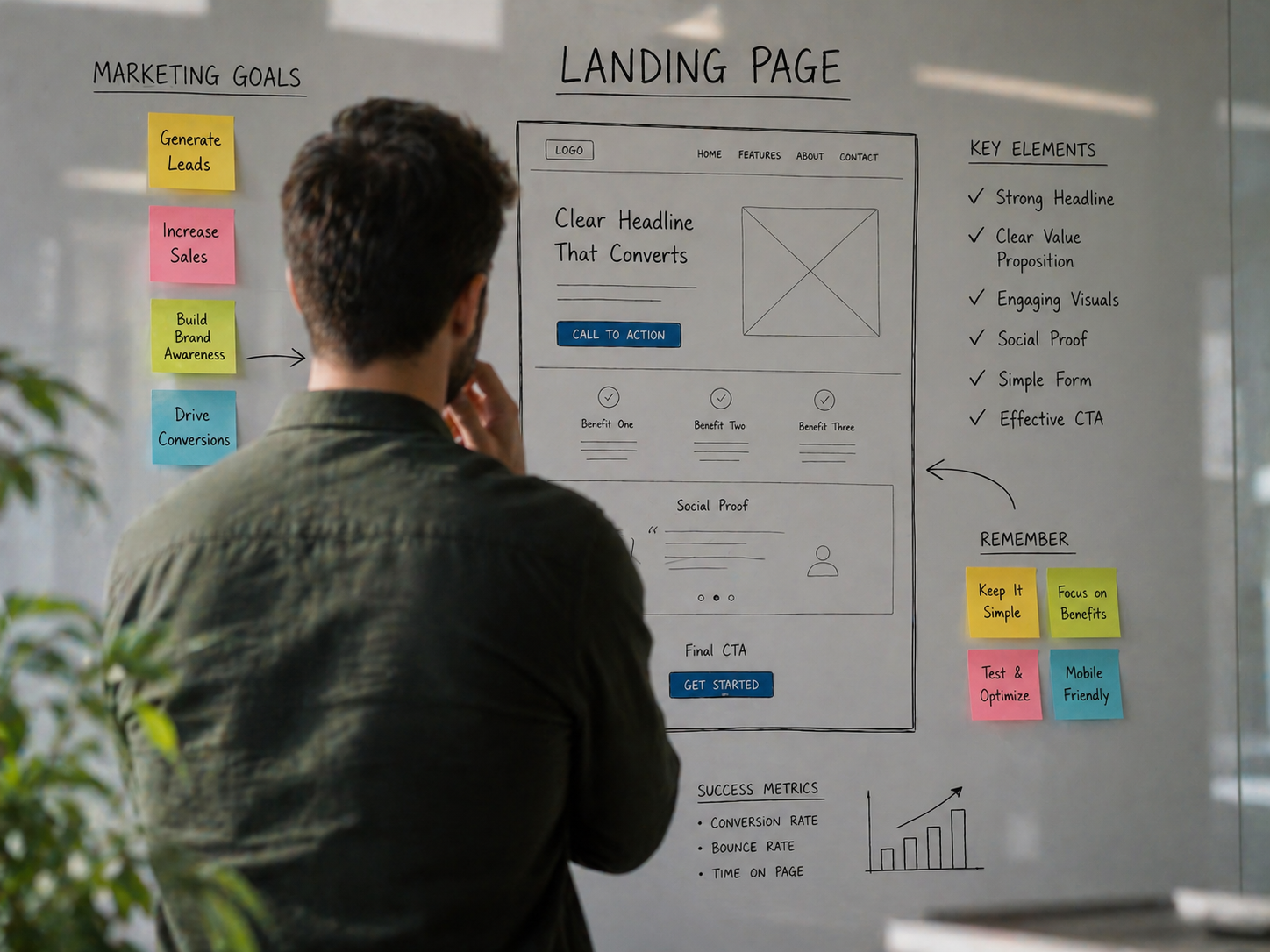
- Clear service + city headline
- Immediate value proposition
- Primary call-to-action (CTA)
- Trust signals (reviews, certifications, guarantees)
Visitors should instantly see:
- What you offer
- Where you offer it
- Why you’re credible
- How to take the next step
Intent clarity reduces hesitation and bounce rate.
Crafting High-Impact Headlines That Convert Locally
Your H1 headline should combine:
- Primary service
- City modifier
- Outcome or benefit
Example structure:
| Weak Headline | Optimized Headline |
|---|---|
| Our Plumbing Services | Emergency Plumbing Services in Dallas – Fast, Reliable Repairs |
Subheadlines (H2s) should break the page into logical sections:
- Service overview
- Benefits
- Process
- Pricing expectations
- Local proof
Clear hierarchy supports both readability and organic SEO performance.
Placing Trust Signals Above the Fold
Conversion begins with trust. Within the first screen view, include:
- Star rating display
- Review count
- Years in business
- Licensing or certifications
- Local affiliations
Trust indicators reduce friction for:
- Emergency services
- High-cost services
- Legal or medical industries
Visual cues outperform text-heavy persuasion.
Structuring Service Descriptions for Clarity and Persuasion
Instead of dense paragraphs, structure service details into:
- Bullet-point benefits
- Short, digestible paragraphs
- Subsections for each sub-service
Effective service sections answer:
- What’s included?
- How long does it take?
- What problems does it solve?
- Who is it best for?
Clarity builds confidence. Confidence drives conversions.
Integrating Location Signals Naturally
Local optimization should feel natural. Include:
- Neighborhood mentions
- Landmark references
- Local case examples
- Embedded Google Map
Strong local SEO requires contextual geographic signals without keyword stuffing.
Balance relevance with readability.
Designing Clear and Repeated Calls-to-Action
High-converting pages repeat CTAs strategically:
- Top of page
- Mid-content
- After testimonials
- Final section
CTA types:
- Call now button
- Schedule appointment form
- Free consultation request
Visibility increases response rate.
Using FAQs to Capture Objections and Snippets
FAQ sections serve dual purposes:
- Reduce buyer hesitation
- Capture featured snippets
Structure:
- Clear question header
- Concise 40–60 word answer
- Expanded explanation
FAQs often rank for long-tail transactional queries.
Leveraging Testimonials and Local Case Studies
Include:
- City-specific testimonials
- Before-and-after visuals
- Short case study summaries
Social proof localized to the searcher’s city increases trust exponentially.
Optimizing for Speed and Mobile Conversion
Local users often search on mobile devices.
- Fast load time under 2 seconds
- Clickable phone number
- Minimal intrusive pop-ups
- Readable font size
Technical friction kills conversion momentum.
Internal Linking That Supports Conversion Flow
Strategic internal links should:
- Point to related services
- Link to city hub pages
- Guide users toward high-conversion content
Avoid distracting outbound links.
Measuring and Refining Service Page Performance
Track:
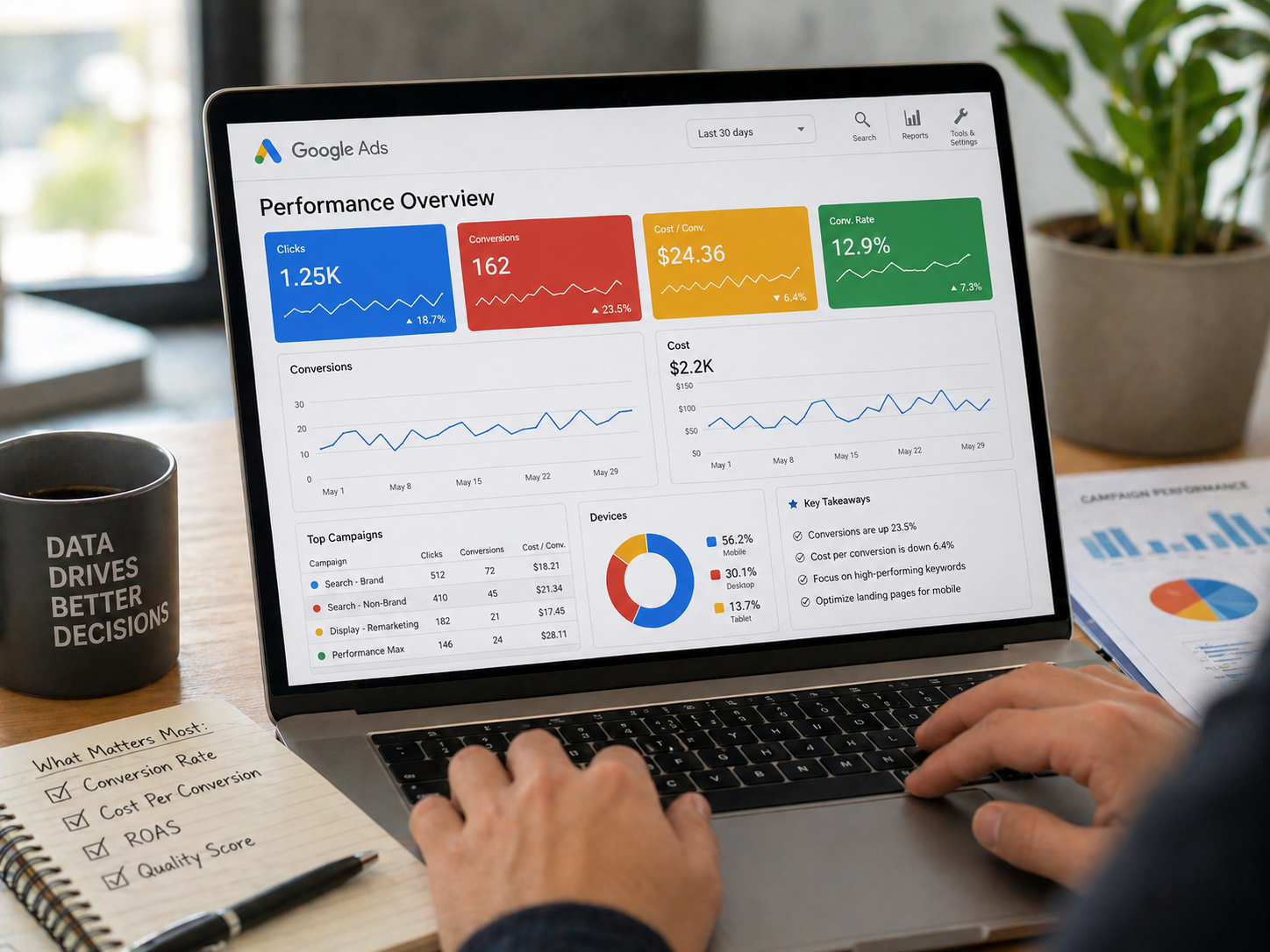
- Conversion rate per page
- Click-to-call events
- Scroll depth
- Form submissions
Data-driven adjustments compound over time.
Building Service Pages That Rank and Convert at Scale
Structuring service pages for maximum local conversions requires precision, clarity, and strategic layering of trust signals, geographic relevance, and persuasive formatting. Ranking alone is not enough — structure determines revenue impact.
If your service pages need strategic restructuring to improve both rankings and conversions, GetPhound builds conversion-focused SEO frameworks designed to maximize local search performance.