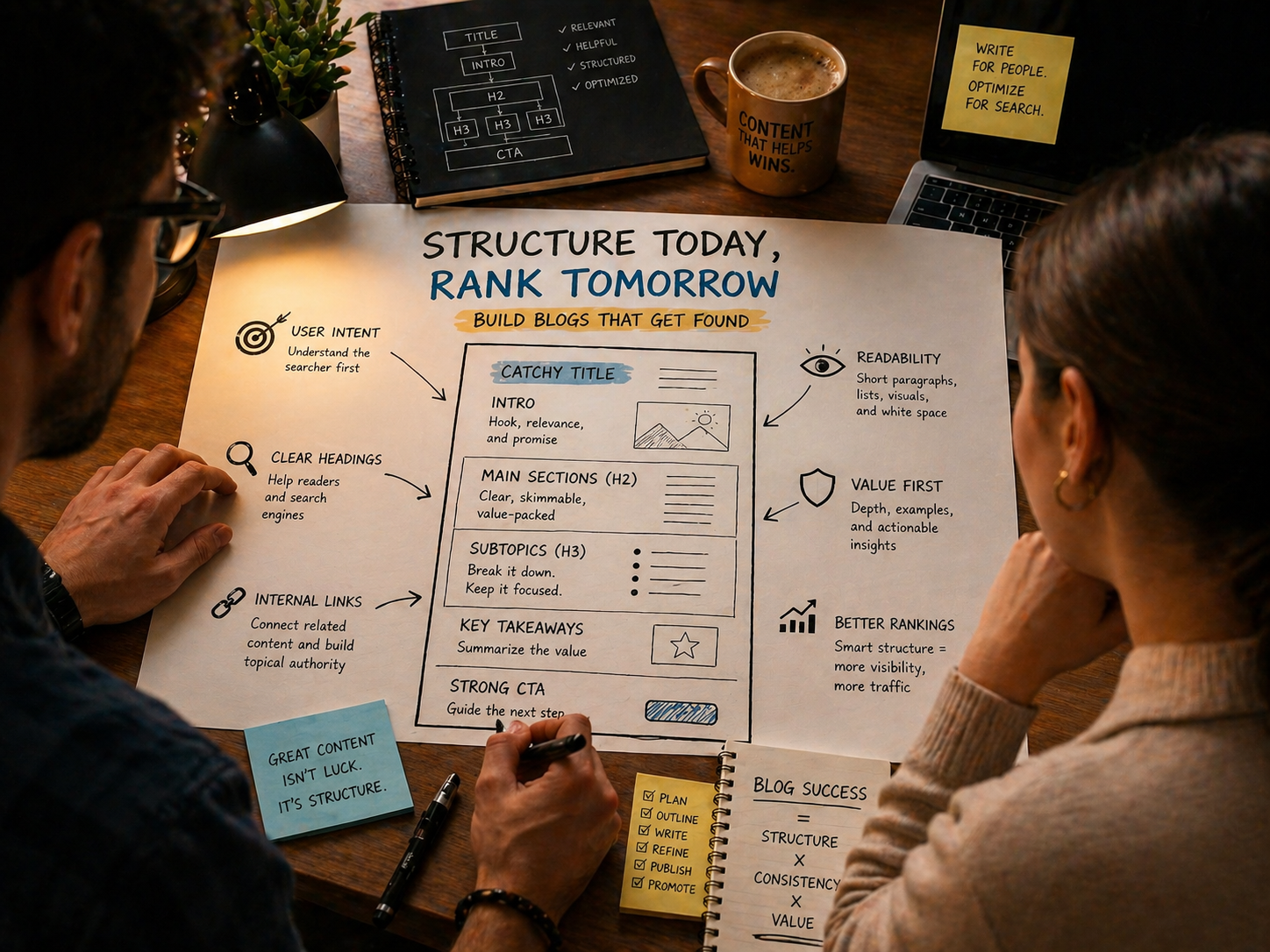
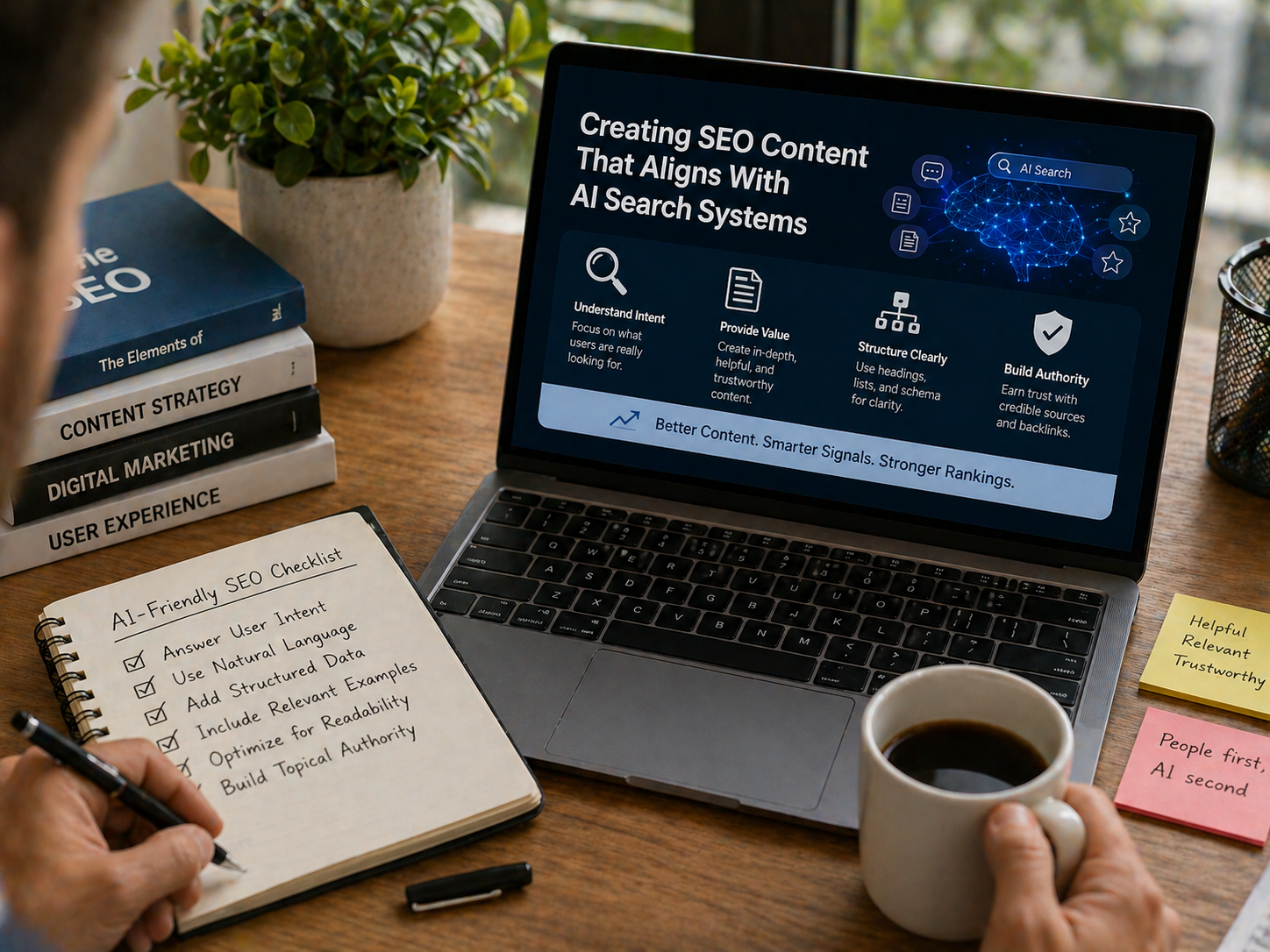
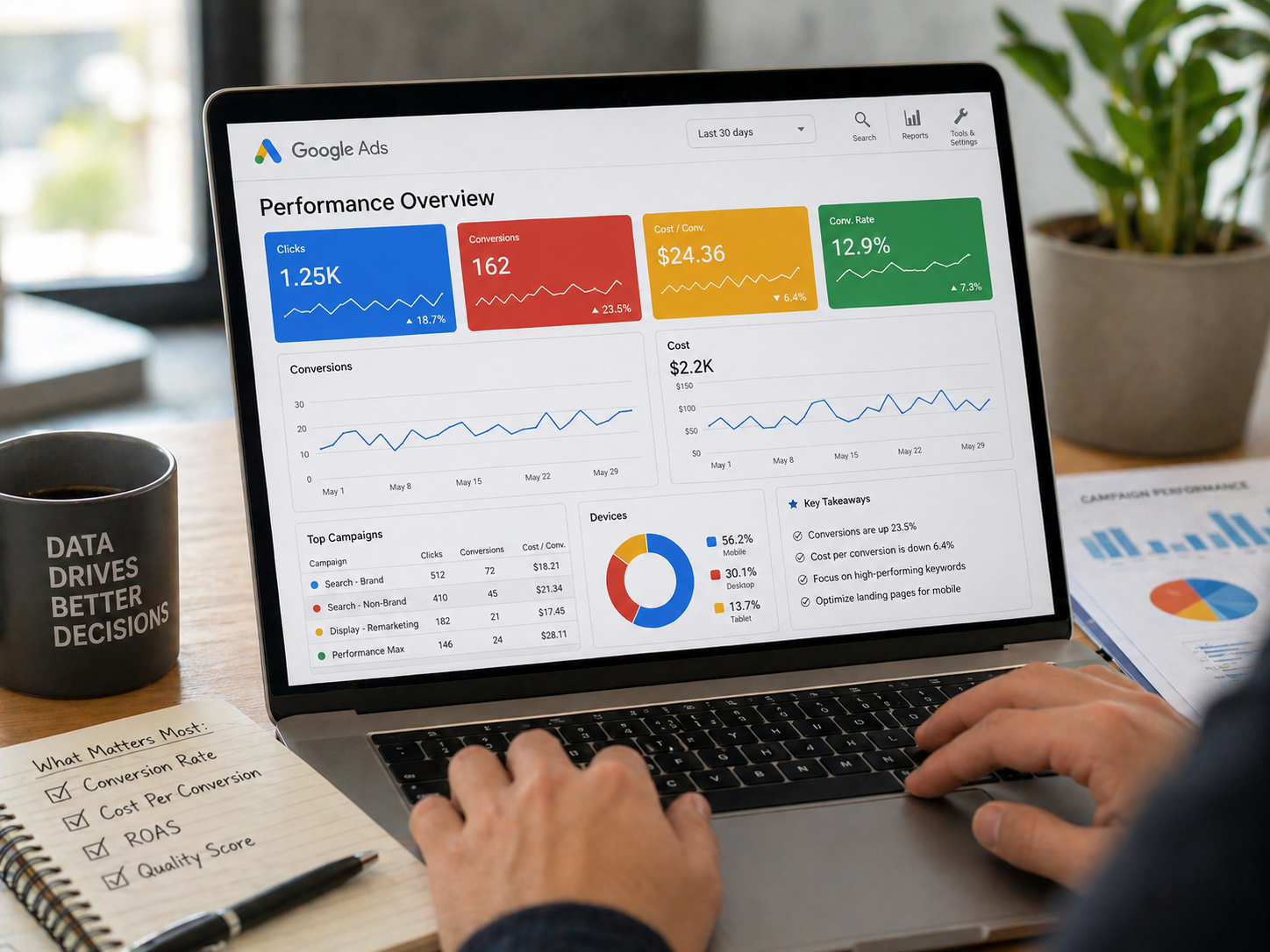
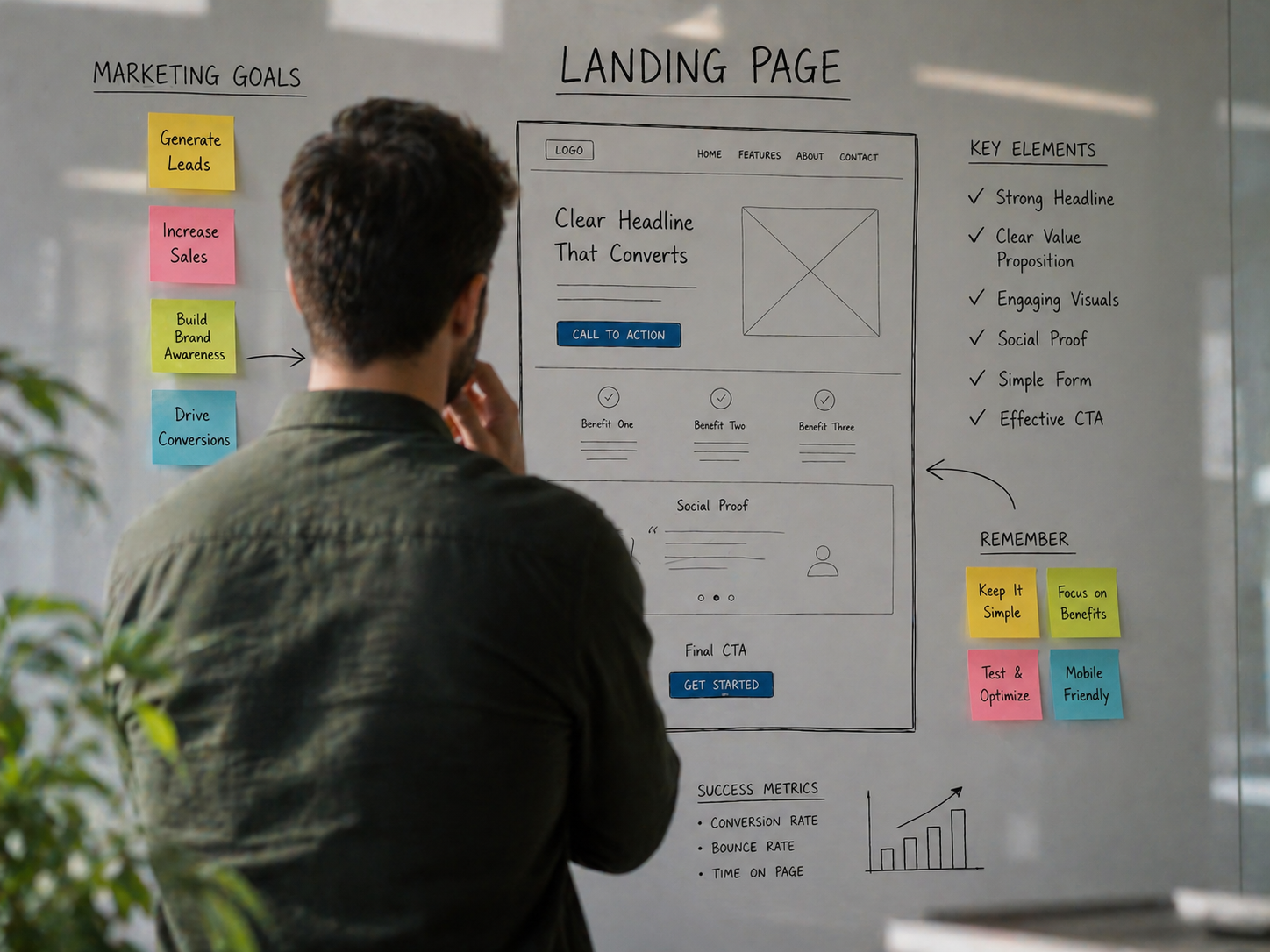
How to create locally optimized blog content that ranks
Most business owners understand the importance of blogging for online visibility, but many miss a critical piece of the puzzle: local optimization. Writing a generic blog post about your services or industry might drive some traffic, but it rarely attracts the hyper-targeted local audience that converts into calls, visits, or sales.
Local optimization transforms your blog from a generic marketing tool into a precise local lead-generation engine. By aligning content with the specific needs, language, and search behavior of your community, your business can dominate local search results, capture “near me” queries, and position itself as an authoritative voice in your area.
For businesses looking to compete in local markets, this means thinking beyond keywords. It’s about understanding your neighborhood, city, or region, the problems your customers are searching to solve, and how Google interprets local intent. Done right, locally optimized content not only ranks but drives tangible results that affect your bottom line.
Understanding Local Search Behavior
Before creating content, it’s essential to understand how local search works. Local queries differ from standard searches in intent and scope. People conducting local searches often want immediate, actionable solutions from businesses near them.
Key characteristics of local search behavior include:
- Frequent use of phrases like “near me,” “in [city],” or “closest”
- High intent—users are ready to buy, visit, or call
- Mobile-first search patterns, often while on-the-go
- Voice search adoption for convenience
By understanding these behaviors, you can tailor blog content to address the exact questions and needs your local audience has. For example, instead of a broad article on “how to clean gutters,” a local blog might focus on “how to clean gutters in [City] before the rainy season,” providing immediate relevance.
Conducting Local Keyword Research
Effective local content starts with the right keywords. Generic keywords attract traffic but not necessarily local leads. Local keyword research identifies phrases your target audience uses in your area.
Steps include:
- Using tools like Google Keyword Planner or Ahrefs to filter keywords by location
- Identifying long-tail, question-based phrases like “best pizza delivery in [Neighborhood]”
- Analyzing competitor blogs for locally targeted content
- Considering seasonal or trending searches in your area
Local keywords should be naturally integrated into titles, headings, meta descriptions, and body content. This ensures search engines understand your geographic relevance while maintaining a readable, engaging flow for human readers.
Crafting Compelling Local Headlines
Your blog’s headline is the first impression for both search engines and readers. A locally optimized headline signals relevance and captures clicks.
Effective local headlines include:
- Clear geographic markers: “[City] Guide to Finding the Best Coffee Shops”
- Problem-solving cues: “How to Avoid Traffic Delays in Downtown [City]”
- Lists or tips with local relevance: “Top 5 Landscaping Services in [Neighborhood]”
Headlines should balance clarity, keyword integration, and curiosity. Well-crafted headlines improve click-through rates, which in turn influences Google’s perception of content quality and relevance for local searches.
Incorporating Location in Blog Content
Simply adding a city name sporadically isn’t enough. Content should weave geographic relevance naturally throughout the post.
Ways to incorporate location include:
- Mentioning neighborhoods, landmarks, or local events
- Including references to local laws, regulations, or conditions
- Highlighting nearby client success stories or case studies
- Using maps, images, or videos featuring recognizable locations
The goal is to make it abundantly clear to both readers and search engines that your content is relevant to a specific geographic area, improving rankings for local searches.
Creating Content That Answers Local Questions
Locally optimized blogs perform best when they address the specific questions your audience is asking. These may be related to services, products, or common problems in your area.
Strategies include:
- Using FAQs and subheadings to answer common queries
- Writing step-by-step guides tailored to local circumstances
- Including local statistics, trends, or seasonal insights
- Addressing specific challenges unique to your community
Google rewards content that solves problems clearly and directly, especially when it matches the way people phrase voice or typed queries. Answering local questions positions your business as an authority while improving search rankings.
Leveraging Google Business Profile for Blog Integration
Your Google Business Profile can amplify the impact of locally optimized blog content. GBP links, updates, and posts help Google associate your content with your business location.
Tips include:
- Sharing blog posts as updates on your GBP
- Linking to location-specific landing pages in blogs
- Encouraging reviews that reference services or topics covered in blog posts
- Using posts to highlight seasonal or trending content relevant to your area
Integrating GBP activity with blog content strengthens local signals, which can improve visibility in map packs and local search results.
Using Visual Content to Boost Local SEO
Images, videos, and infographics enhance engagement while providing additional local relevance cues. Visuals can communicate geographic information and support SEO through alt text and descriptions.
Effective practices:
- Include photos of your team, store, or service locations
- Use descriptive alt text with local keywords
- Create maps or infographics showing local data or trends
- Embed videos of local events, tutorials, or testimonials
Visual content not only improves reader experience but also signals local relevance to search engines, helping your blog rank higher for location-specific queries.
Internal and External Linking for Local Authority
Links are crucial for establishing authority. Internal links help distribute SEO value across your site, while external links can connect your blog to reputable local resources.
Local link strategies include:
- Linking to local service pages within your website
- Collaborating with local blogs, news outlets, or organizations for backlinks
- Citing official statistics or community resources relevant to your area
- Encouraging guest posts or partnerships with nearby businesses
Strategic linking enhances the credibility of your content, improves user experience, and strengthens your local SEO profile.
Monitoring and Updating Local Blog Performance
Publishing is only the first step. Monitoring performance ensures your blogs continue driving local traffic effectively.
Metrics to track:
- Organic search traffic for local keywords
- Engagement rates (time on page, scroll depth)
- Conversion actions (calls, contact form submissions)
- Rankings for targeted location-specific phrases
Updating content with fresh local information, seasonal changes, or new case studies keeps it relevant. Regular optimization demonstrates authority and helps maintain high local search rankings over time.
Building a Local Content Calendar
Consistency is key for ranking and audience engagement. A content calendar helps seasonal planning, aligning posts with local trends, holidays, or events.
Calendar strategies:
- Schedule blogs to coincide with seasonal demand
- Plan content around local events, promotions, or news
- Allocate time for research, drafting, and optimization
- Include social media and GBP integration in publishing schedule
A structured calendar ensures a steady flow of locally optimized content that builds authority, attracts targeted traffic, and converts potential customers consistently.
Maximizing Local SEO Through Optimized Blogging
Locally optimized blog content is a powerful tool for capturing targeted traffic, establishing authority, and converting nearby customers. By understanding local search behavior, conducting targeted keyword research, crafting compelling headlines, incorporating geographic signals, and creating content that answers local questions, businesses can dominate their markets. Get in touch with GetPhound and be well-informed.
When integrated with Google Business Profile updates, visual content, strategic linking, performance monitoring, and a consistent content calendar, blogs become more than just informational—they become engines for local lead generation. Businesses that invest in locally optimized content position themselves ahead of competitors, ensuring visibility and relevance where it matters most.