The future of performance-based SEO in the AI era
For years, SEO agencies promised rankings. Businesses celebrated when they reached page one for a keyword, even if that visibility didn’t translate into calls, revenue, or measurable growth. Today, that mindset is rapidly fading. In the AI-driven digital landscape, businesses are no longer satisfied with impressions alone — they demand performance. They want measurable ROI, lead generation, revenue attribution, and scalable outcomes tied directly to strategy. This shift marks a powerful evolution in Search Engine Optimization: the rise of performance-based SEO.
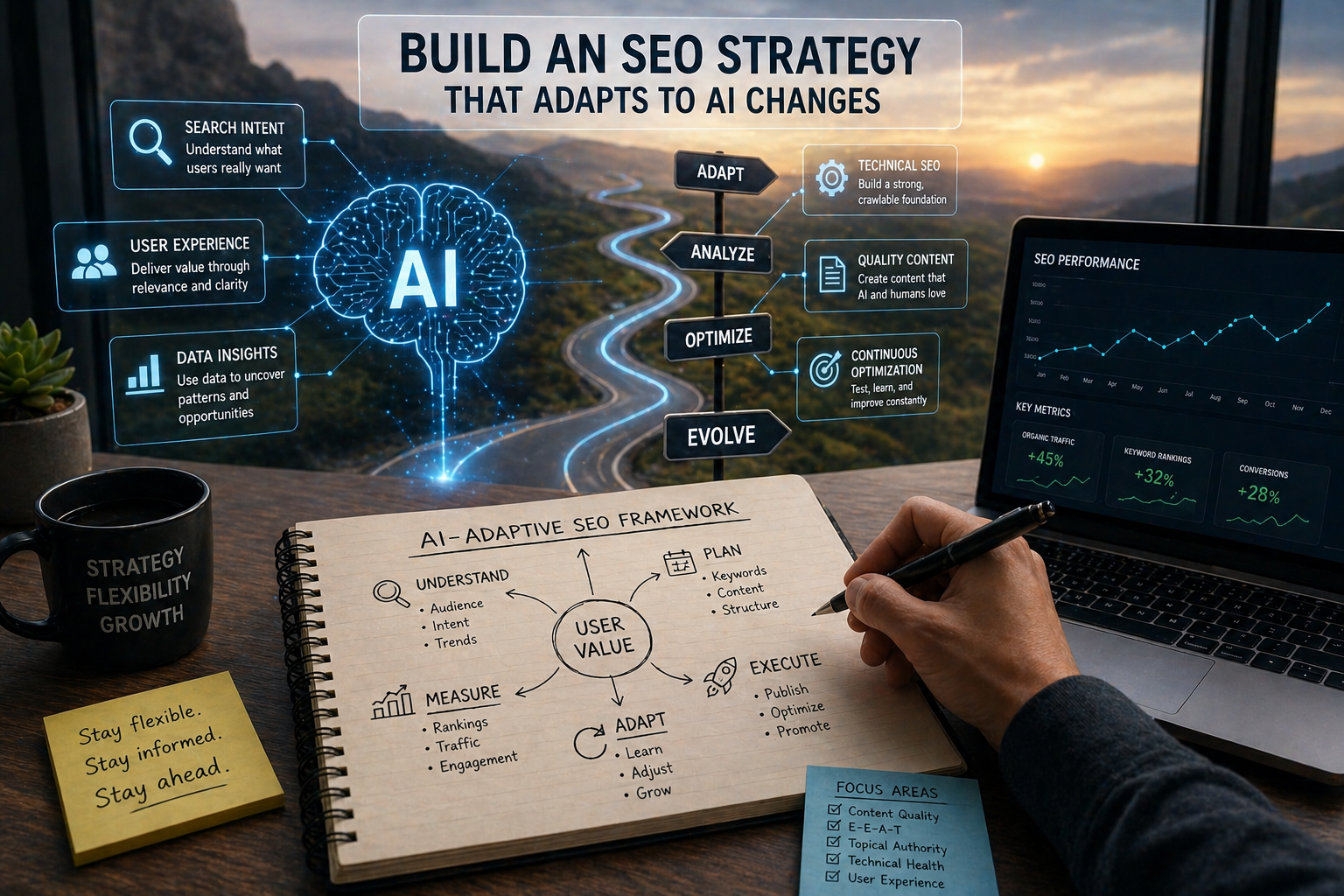
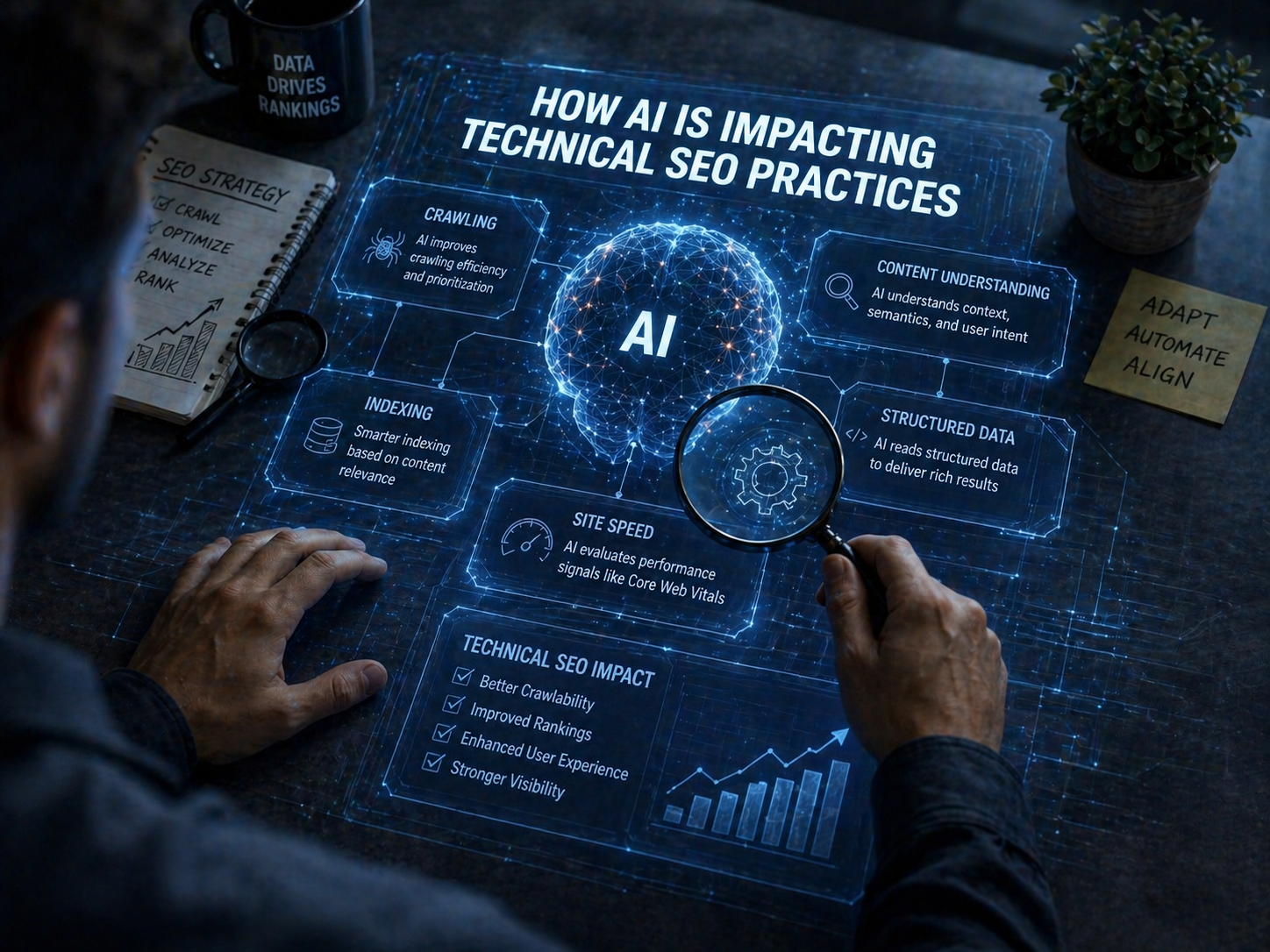
Artificial intelligence is accelerating this transition. AI tools provide deeper analytics, predictive modeling, automated optimization, and smarter content generation. As search engines become more intelligent and user behavior more complex, SEO must evolve from ranking-focused tactics to outcome-driven frameworks.
This article explores how AI is shaping the future of performance-based SEO and what businesses must do to stay competitive in a data-driven era.
From Rankings to Revenue: The Shift in SEO Expectations
Traditional SEO revolved around keyword rankings. Agencies tracked position changes and reported progress accordingly. However, rankings alone don’t guarantee conversions.
- Keyword rankings
- Organic traffic growth
- Backlink quantity
- Impressions
- Qualified leads
- Cost per acquisition
- Revenue generated
- Conversion rate
- Return on investment
The modern business owner cares less about ranking for broad terms and more about generating predictable, scalable growth.
AI enables more precise attribution, helping marketers connect organic visibility directly to revenue outcomes.
The Role of AI in Predictive SEO Modeling
AI-powered analytics platforms can analyze historical performance and predict future trends. Instead of reacting to algorithm updates, businesses can anticipate opportunities.
Predictive capabilities include:
- Keyword trend forecasting
- Seasonal search pattern analysis
- Competitor growth modeling
- Content performance simulations
| Traditional SEO | AI-Driven SEO |
|---|---|
| Reactive optimization | Predictive adjustments |
| Manual reporting | Automated data modeling |
| Lagging indicators | Forward-looking insights |
This forward-thinking approach transforms SEO into a performance engine rather than a passive strategy.
AI Content Generation and Conversion-Focused Optimization
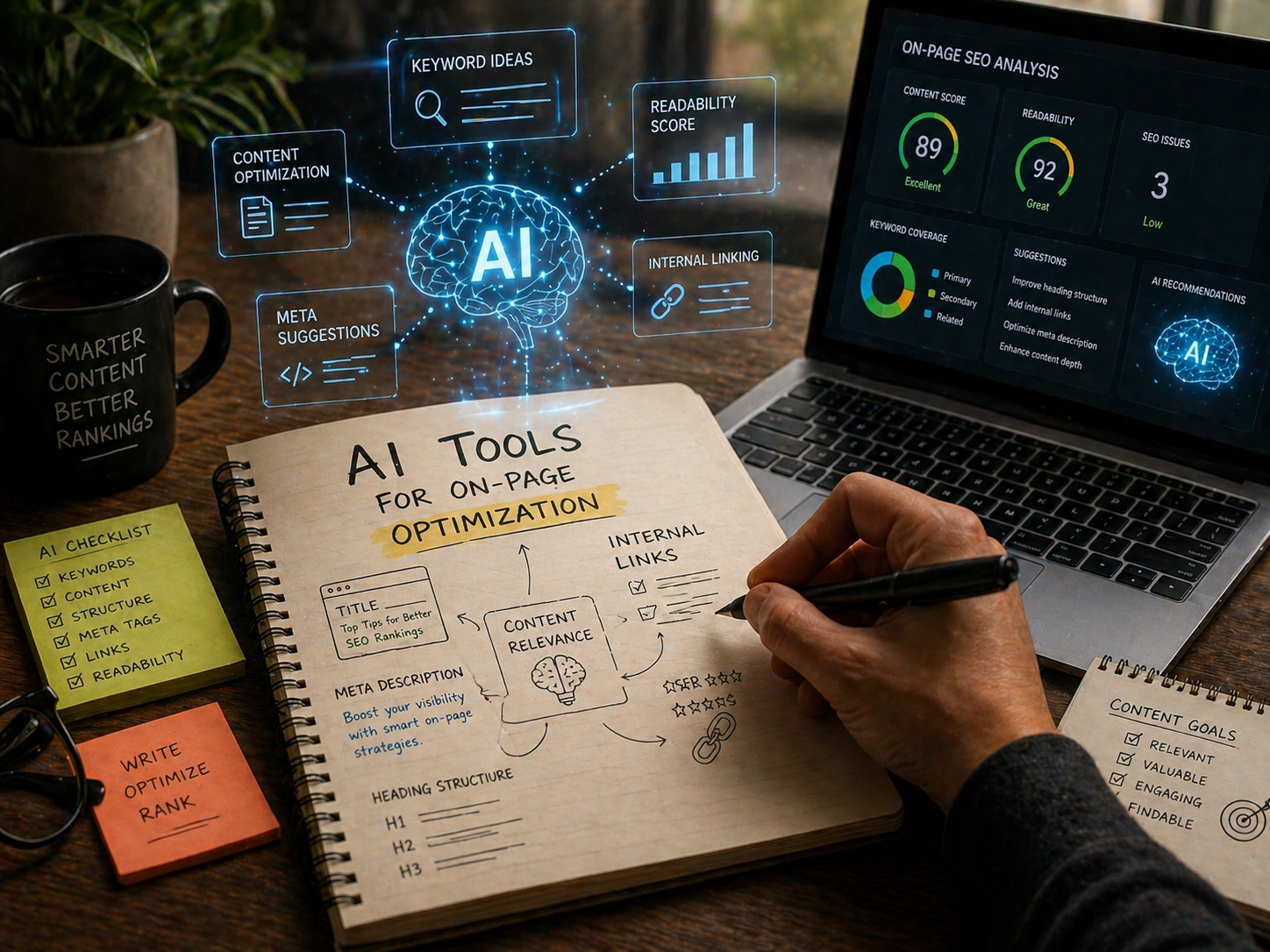
AI tools assist in content creation, but performance-based SEO demands more than publishing at scale. Content must drive measurable results.
Effective AI integration includes:
- Search intent analysis
- Conversion-driven content structures
- Behavior-based personalization
- Dynamic content optimization
When integrated with strong organic SEO strategies, AI-generated content can accelerate performance outcomes.
However, automation without strategy leads to diluted authority. Human oversight ensures brand voice and quality remain intact.
Data Transparency and Performance Contracts
Performance-based SEO often includes measurable benchmarks tied to contracts. Agencies are increasingly structuring agreements around lead volume or revenue growth rather than rankings.
This shift encourages:
- Greater accountability
- Transparent reporting
- Aligned incentives
- ROI-focused campaigns
AI dashboards make it easier to track call conversions, form submissions, and revenue attribution accurately.
The Integration of Local SEO with Performance Metrics
For location-based businesses, measurable outcomes often depend on map visibility and hyperlocal targeting. Strong local SEO strategies play a critical role in performance-based models.
Tracking includes:
- Map pack impressions
- Click-to-call conversions
- Driving direction requests
- Local keyword revenue tracking
AI enhances these efforts by analyzing geographic behavior patterns and optimizing accordingly.
Automation and Real-Time Optimization
AI allows SEO campaigns to adjust dynamically. Instead of waiting weeks to evaluate performance, AI tools provide real-time insights.
Examples include:
- Automatic internal linking adjustments
- On-page optimization refinements
- Conversion path improvements
- Behavior-triggered content updates
This agility strengthens competitive advantage.
The Rise of Revenue Attribution Models
Attribution remains one of SEO’s greatest challenges. AI enhances multi-touch attribution modeling, providing clearer visibility into customer journeys.
| Attribution Type | Description |
|---|---|
| First-click | Credits initial touchpoint |
| Last-click | Credits final interaction |
| Multi-touch | Distributes credit across journey |
Performance-based SEO increasingly relies on multi-touch attribution for accurate ROI measurement.
AI-Driven Competitor Intelligence
AI tools analyze competitor strategies at scale, identifying gaps and opportunities.
- Backlink gap analysis
- Content topic mapping
- Search intent coverage
- SERP volatility monitoring
Performance models incorporate competitor intelligence to drive faster growth.
Ethical Considerations in AI SEO
AI introduces ethical challenges. Over-automation, misinformation, and manipulative tactics can damage credibility.
- Maintain human oversight
- Prioritize quality over quantity
- Follow search engine guidelines
- Ensure transparency in reporting
Responsible implementation builds long-term authority.
Scalability and Long-Term Growth
Performance-based SEO thrives on scalability. AI reduces operational bottlenecks while maintaining optimization quality.
Benefits include:
- Faster content deployment
- Automated analytics
- Predictive opportunity mapping
- Efficient campaign scaling
Businesses can expand into new markets confidently with data-backed strategies.
Preparing for the AI-Driven SEO Landscape
The future of SEO lies in measurable impact. Businesses must embrace automation while maintaining strategic control.
Success requires:
- Clear performance KPIs
- Advanced analytics integration
- Strategic content frameworks
- Conversion optimization alignment
Organizations seeking structured, outcome-driven SEO solutions can work with GetPhound to implement scalable strategies aligned with revenue growth.