How to set up geo-targeted campaigns for multi-location businesses
Running marketing campaigns for a single business location is already complex. Managing campaigns across multiple cities, regions, or states requires even more precision. Geo-targeted campaigns allow multi-location businesses to reach customers in specific areas with messaging that speaks directly to local needs. When executed correctly, geo-targeting increases visibility, improves conversion rates, and maximizes return on ad spend.
Modern digital marketing relies heavily on Search Engine Optimization, paid advertising platforms, and location-based strategies. Multi-location brands must combine structured data, localized content, and paid targeting to dominate their markets. This guide will walk you step-by-step through building, optimizing, and scaling geo-targeted campaigns for sustainable growth.
Understanding Geo-Targeting for Multi-Location Brands
Geo-targeting is the practice of delivering content or advertisements to users based on their geographic location. For multi-location businesses, this means customizing marketing campaigns for each service area rather than running a single national strategy.
Customers search differently depending on where they live. Someone in Dallas might search for “emergency plumber near me,” while someone in Phoenix might search for “24-hour plumbing services Phoenix.” Geo-targeting ensures your messaging aligns with these regional behaviors.
Why geo-targeting matters:
- Improves local search visibility
- Increases relevance and click-through rates
- Reduces wasted ad spend
- Enhances customer trust through localized messaging
- Boosts conversion rates
Without geo-targeting, businesses risk appearing generic and disconnected from local communities. Customers prefer brands that understand their city, climate, culture, and specific needs.
For example, a roofing company operating in Florida and Colorado should not use identical messaging. Florida campaigns might highlight hurricane resistance, while Colorado campaigns focus on snow load durability.
Geo-targeted campaigns are not just about paid ads. They extend to:
- Localized landing pages
- Google Business Profiles
- Map listings
- Structured data markup
- Social media location filters
When combined strategically, these elements create a powerful ecosystem that positions each location as a market leader.
Building Location-Specific Landing Pages
One of the most important steps in geo-targeted marketing is creating dedicated landing pages for each location. A single generic service page will not effectively rank for multiple cities.
Each location page should include:
- City-specific keywords
- Unique localized content
- Customer testimonials from that area
- Embedded Google Map
- NAP (Name, Address, Phone) consistency
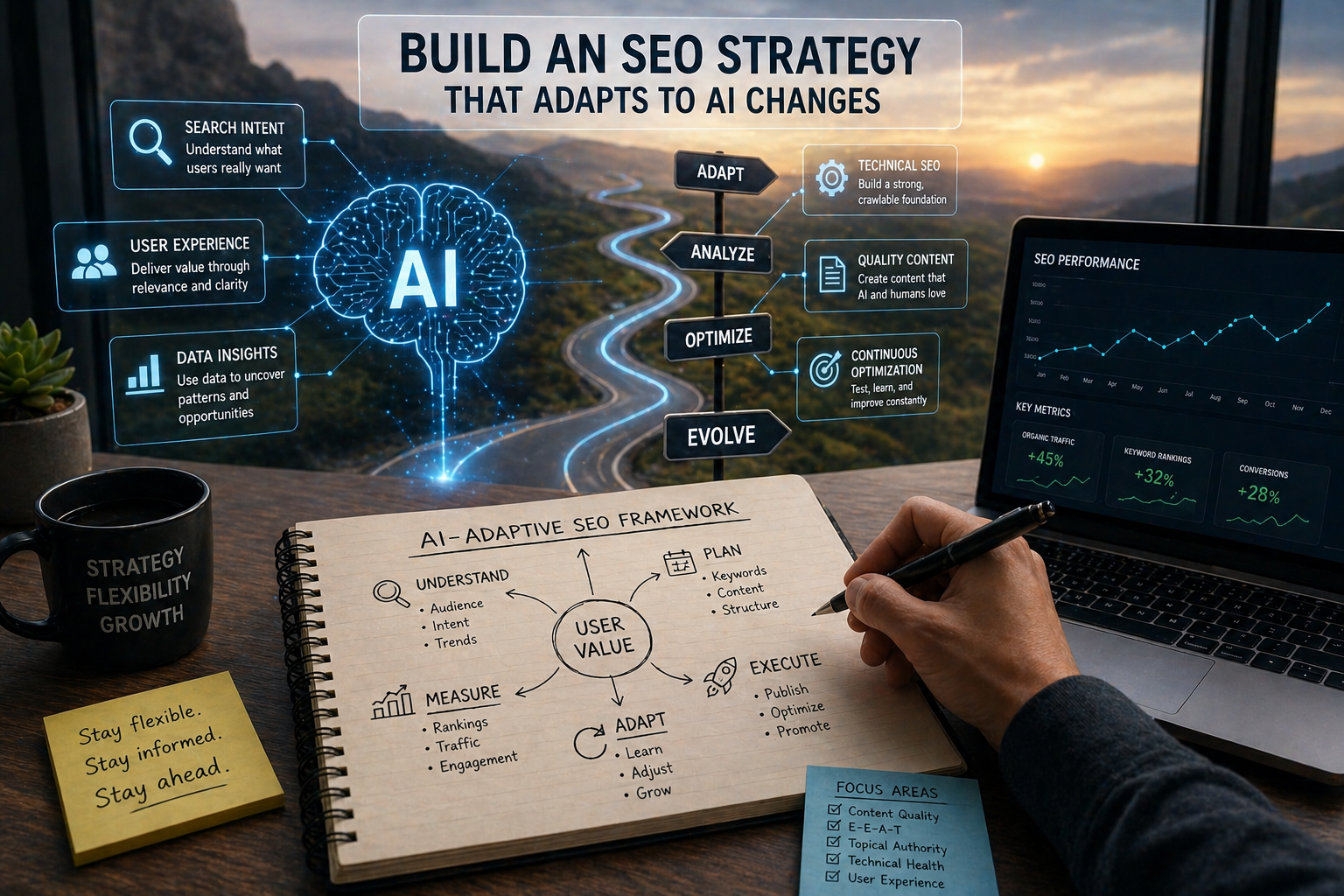
Effective landing pages also incorporate both organic SEO and local SEO strategies.
| Element | Purpose |
|---|---|
| Localized Headlines | Improves keyword targeting |
| City-Based FAQs | Matches search intent |
| Schema Markup | Enhances search engine visibility |
| Local Reviews | Builds credibility |
A well-optimized location page should not duplicate content across cities. Search engines penalize duplicate content, and customers notice generic messaging.
Instead, tailor each page with specific references such as neighborhoods served, local landmarks, regional regulations, or seasonal considerations.
Keyword Research for Each Geographic Market
Keyword research must be conducted separately for each target location. Search behavior varies significantly between cities and regions.
Start with tools like:
- Google Keyword Planner
- Ahrefs
- SEMrush
- Google Search Console
Focus on:
- City + service keywords
- “Near me” variations
- Zip code searches
- Neighborhood-based terms
- Regional slang or terminology
For example:
| City | Primary Keyword | Search Variation |
|---|---|---|
| Atlanta | HVAC repair Atlanta | AC repair Buckhead |
| Chicago | Heating repair Chicago | Furnace repair Lincoln Park |
By targeting hyper-local phrases, businesses capture higher-intent traffic and reduce competition compared to broad national keywords.
Structuring Paid Ads by Location
Paid advertising platforms such as Google Ads and Meta Ads allow precise geographic targeting. Each location should have its own campaign structure.
Best practices include:
- Separate campaigns by city
- Location-based ad copy
- Geo-specific call extensions
- Local phone numbers
- Radius targeting
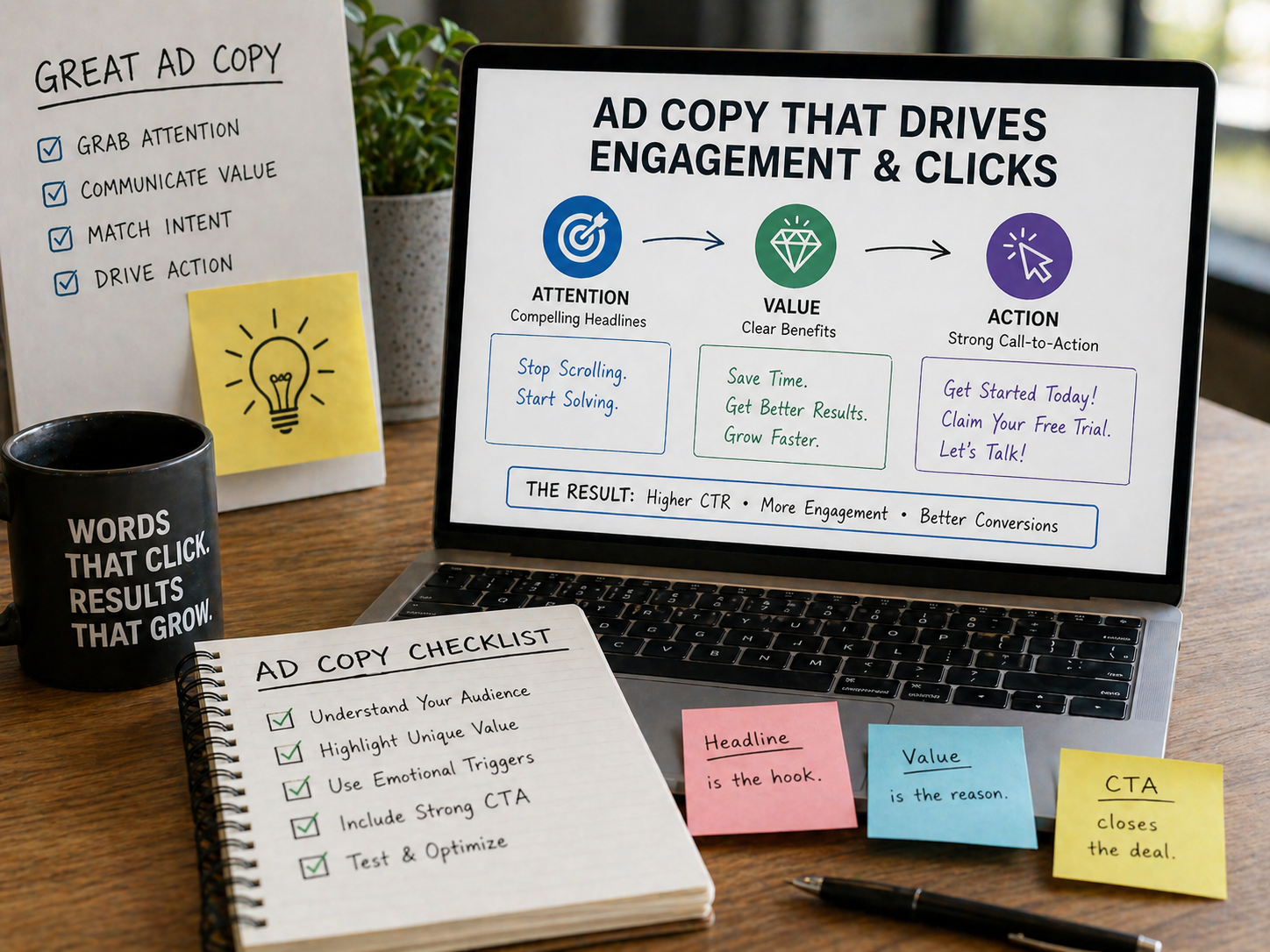
Ad headlines should mention the city directly. This increases relevance and Quality Score.
Example:
- “Emergency Plumbing in Tampa – Call 24/7”
- “Denver Roof Replacement Specialists”
Budget allocation should reflect market size and demand. Larger cities may require higher budgets, while smaller markets can operate efficiently with reduced spend.
Optimizing Google Business Profiles for Every Location
Each physical location should have its own fully optimized Google Business Profile.
Optimization checklist:
- Accurate NAP information
- Primary and secondary categories
- High-quality images
- Regular posts
- Review management
Businesses working with agencies like GetPhound often see stronger visibility when profiles are consistently optimized and actively managed.
Customer reviews should mention services and city names naturally. Respond to every review to strengthen engagement signals.
Using Location-Based Content Marketing
Content marketing can also be geo-targeted. Create blog posts tailored to specific cities.
Examples:
- “Top 5 HVAC Problems in Houston Summers”
- “How Chicago Winters Impact Your Roofing System”
Localized content builds topical authority and supports both organic and map visibility.
Leveraging Social Media Geo-Targeting
Social media platforms offer advanced location targeting options. Businesses can:
- Run city-specific ads
- Create localized promotions
- Target by ZIP code
- Use geofencing around competitor locations
Localized social proof significantly increases conversion rates.
Tracking Performance by Region
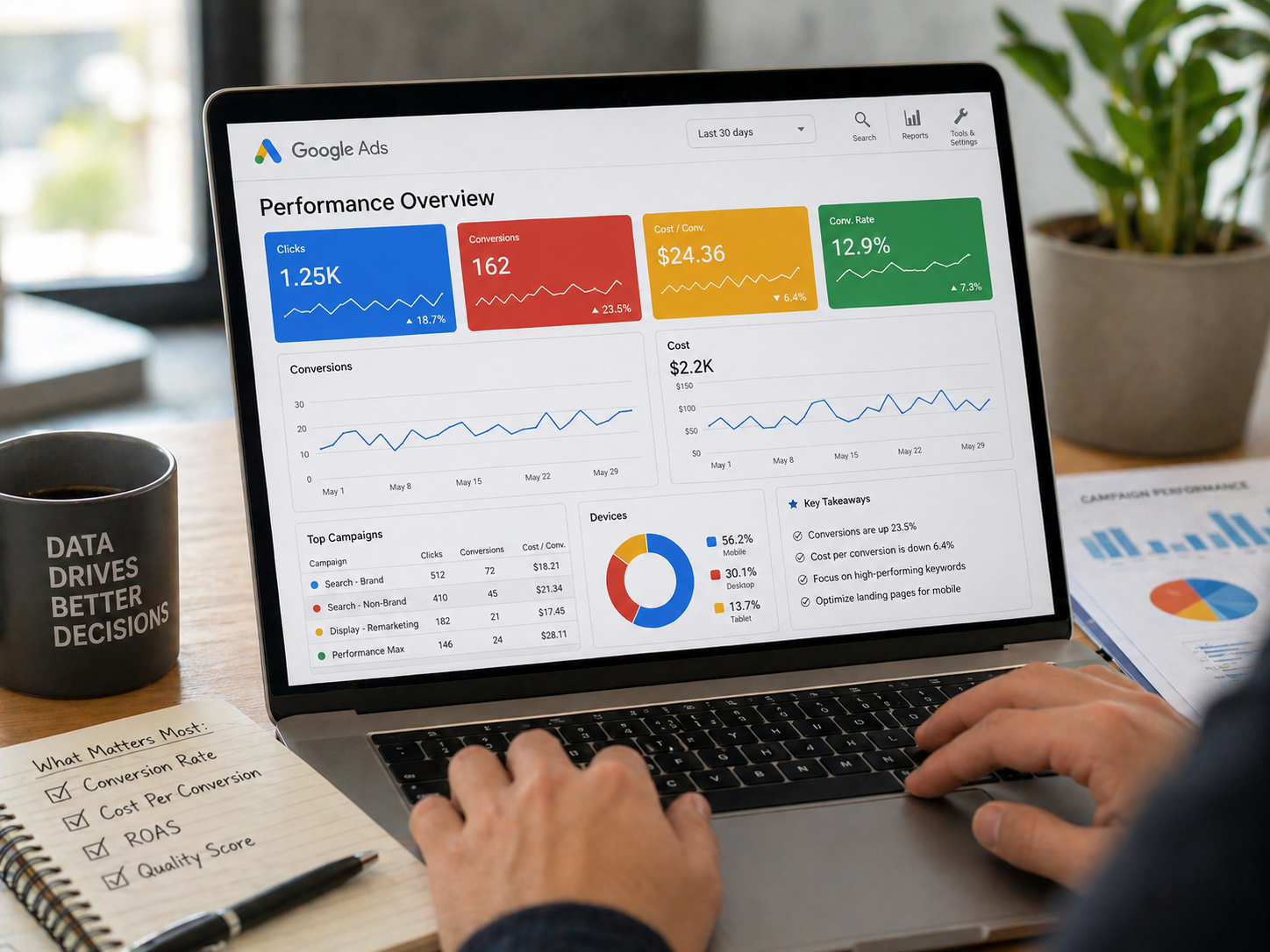
Tracking must be segmented by location. Use tools like:
- Google Analytics 4
- Call tracking software
- CRM systems
- UTM parameters
| Metric | Why It Matters |
|---|---|
| Conversion Rate | Measures campaign effectiveness |
| Cost Per Lead | Determines ROI |
| Local Rankings | Tracks SEO success |
Maintaining Brand Consistency Across Markets
While localization is important, brand identity must remain consistent. Maintain:
- Uniform logo usage
- Consistent brand voice
- Standardized service descriptions
- Unified review response tone
This balance builds both local trust and national authority.
Scaling Geo-Targeted Campaigns Efficiently
Once campaigns are profitable in one market, replicate the structure to new cities.
Scaling tips:
- Create standardized landing page templates
- Develop repeatable ad frameworks
- Use centralized reporting dashboards
- Automate review requests
Test new markets gradually and adjust budgets based on performance data.
Bringing It All Together
Geo-targeted marketing allows multi-location businesses to dominate each service area individually. By combining structured landing pages, strategic keyword research, localized ads, optimized business profiles, and data-driven tracking, businesses can create scalable growth engines.
Whether leveraging advanced organic SEO, strategic local SEO, or paid geo-targeted advertising, the key is precision and consistency. Businesses that invest in localized strategies outperform competitors relying on generic national campaigns.
When executed properly, geo-targeted campaigns transform multi-location complexity into measurable growth opportunities.