Remarketing strategies for local businesses to increase conversions
Most local businesses focus heavily on attracting new visitors to their website. While traffic is important, conversions often come from people who have already interacted with your brand. Remarketing allows businesses to re-engage those previous visitors and guide them back toward taking action. Whether someone visited your site, clicked an ad, or viewed a service page, remarketing ensures your brand stays top of mind.
Successful digital marketing strategies integrate remarketing with strong foundations in Search Engine Optimization, paid advertising, and optimized landing pages. When combined with organic SEO and local SEO, remarketing becomes a powerful conversion engine for local businesses. Companies working with experts like GetPhound often see significant improvements in return on ad spend and customer lifetime value.
This comprehensive guide explores advanced remarketing strategies specifically tailored for local businesses aiming to increase conversions and drive measurable growth.
Understanding Remarketing and Why It Matters for Local Businesses
Remarketing is the process of showing ads to users who previously interacted with your website, social media, or digital content. Unlike cold traffic campaigns, remarketing focuses on warm audiences who already know your brand.
Local businesses benefit significantly from remarketing because purchase decisions often require multiple touchpoints. A homeowner may research plumbers today but call next week. A patient might compare dental offices before booking. Remarketing keeps your business visible during that consideration phase.
- Higher conversion rates compared to cold traffic
- Lower cost per acquisition
- Improved brand recall
- Better return on ad spend
- Increased trust through repeated exposure
Remarketing works particularly well for service-based industries such as:
- HVAC companies
- Law firms
- Medical practices
- Home improvement contractors
- Real estate agencies
Because local customers typically evaluate several options before choosing, strategic remarketing ensures your brand remains in their shortlist.
Setting Up Remarketing Audiences Correctly
The foundation of any successful remarketing campaign is accurate audience segmentation. Instead of grouping all website visitors together, divide audiences based on behavior.
Common Audience Segments
- All website visitors (last 30 days)
- Service page viewers
- Cart abandoners
- Form starters but not submitters
- Past customers
Segmentation allows you to tailor messaging based on intent level.
| Audience Type | Suggested Message |
|---|---|
| Service Page Visitors | “Still need HVAC repair in Dallas? Book today.” |
| Cart Abandoners | “Finish your booking and save 10%.” |
| Past Customers | “Schedule your annual maintenance.” |
Platforms such as Google Ads and Meta Ads provide robust tools for creating these custom audiences. Tracking pixels must be installed properly on every key page.
Combining Remarketing with Local Landing Pages
Remarketing traffic should always lead to highly relevant landing pages. Sending returning users to a generic homepage reduces conversion potential.
Best practices include:
- City-specific headlines
- Clear call-to-action buttons
- Local testimonials
- Trust badges and certifications
- Phone number displayed prominently
Landing pages optimized for both SEO and conversions significantly increase remarketing effectiveness.
Using Dynamic Remarketing for Service-Based Businesses
Dynamic remarketing automatically shows ads featuring the exact services a user previously viewed.
For example:
- A user views “Roof Replacement” → Sees ad for roof replacement
- A user reads about “Personal Injury Claims” → Sees attorney-focused ad
This personalized approach increases click-through rates and conversion probability.
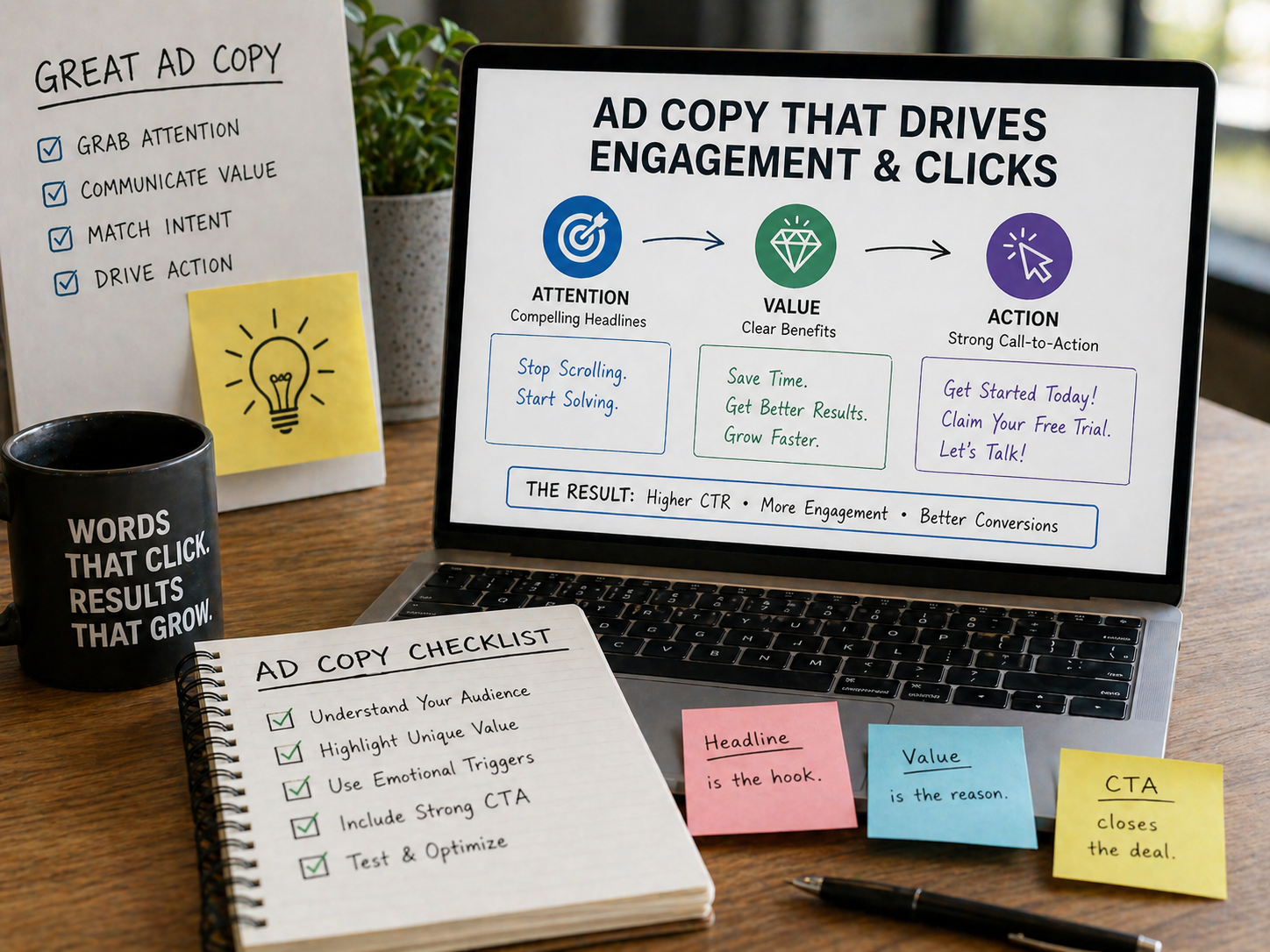
Crafting High-Converting Remarketing Ad Copy
Ad messaging should address objections and reinforce urgency.
- “Still searching for a reliable plumber in Austin?”
- “Appointments filling fast this week.”
- “Limited-time service discount.”
Effective remarketing copy often includes:
- Social proof
- Guarantees
- Time-sensitive offers
- Clear next steps
Budget Allocation and Frequency Control
Remarketing budgets typically require less spend than cold traffic campaigns because audiences are smaller but more qualified.
| Campaign Type | Recommended Budget Split |
|---|---|
| Cold Traffic | 60–70% |
| Remarketing | 30–40% |
Frequency caps are essential to prevent ad fatigue. Showing ads too often can damage brand perception.
Leveraging Email Remarketing for Local Businesses
Email remarketing complements paid advertising.
- Abandoned inquiry follow-ups
- Service reminders
- Seasonal promotions
- Customer loyalty offers
Automated email sequences nurture leads over time and increase lifetime value.
Integrating Remarketing with SEO Efforts
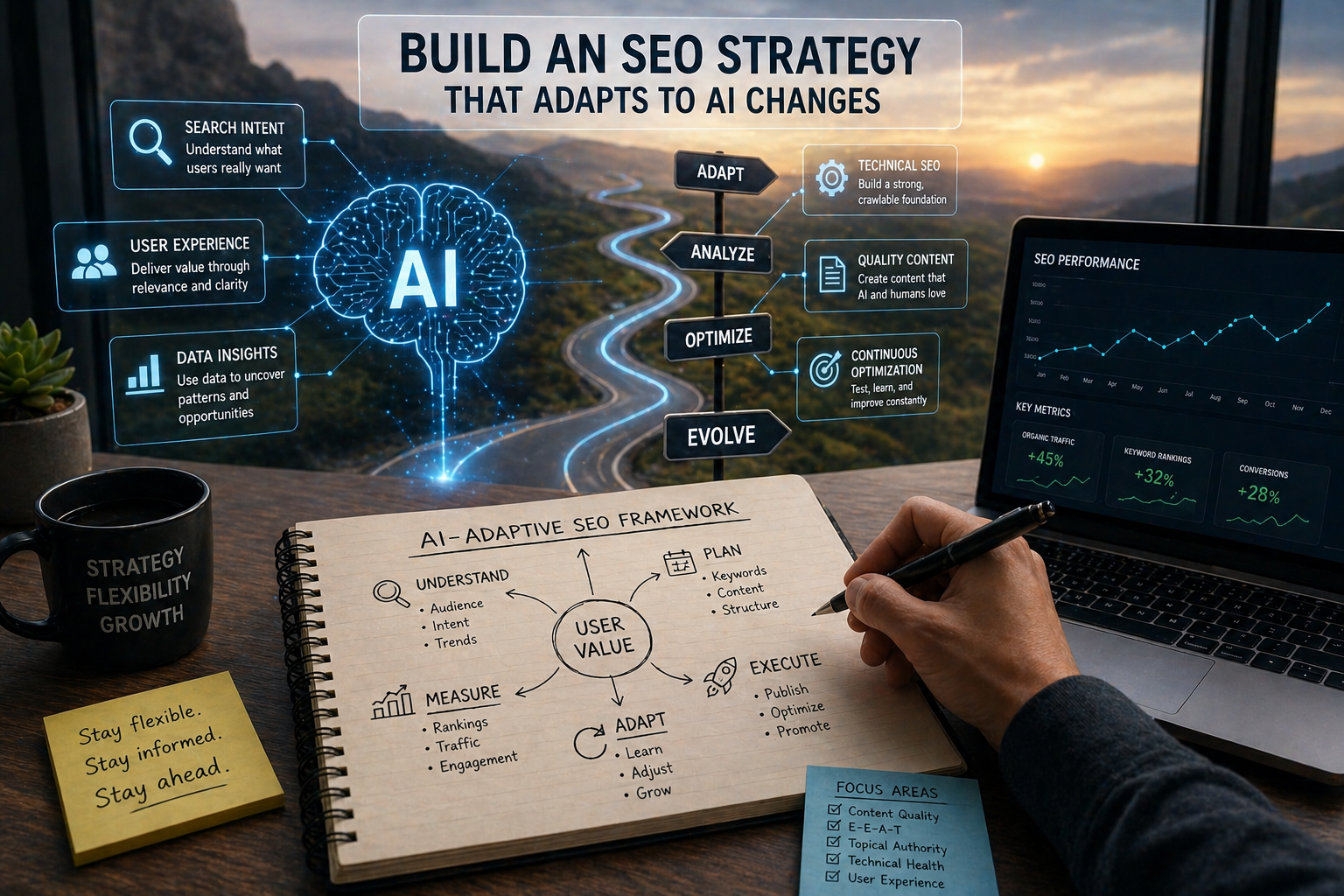
Strong SEO generates the initial traffic pool for remarketing campaigns. Businesses investing in both organic SEO and local SEO create a consistent flow of qualified visitors.
SEO-driven traffic often converts at higher rates when paired with remarketing because users already demonstrated intent through search behavior.
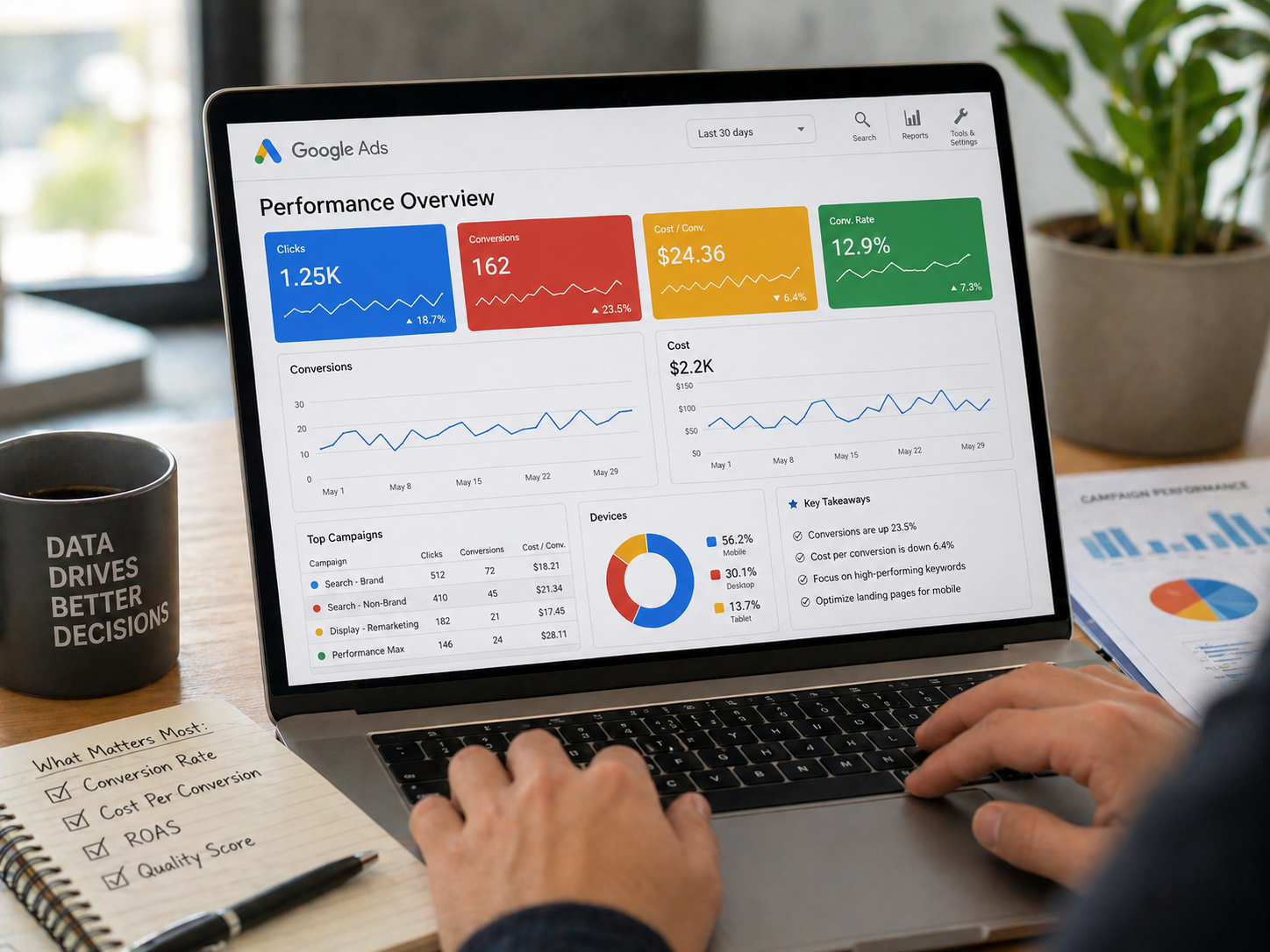
Tracking Conversions and Measuring ROI
Data tracking determines campaign success.
- Cost per lead
- Return on ad spend
- Conversion rate
- Call tracking data
- Form submissions
Accurate attribution models help identify which remarketing campaigns drive the highest returns.
Avoiding Common Remarketing Mistakes
- Targeting all visitors with the same message
- Ignoring frequency caps
- Sending traffic to irrelevant pages
- Failing to refresh creative
- Not excluding converted customers
Regular audits prevent wasted ad spend and maximize performance.
Building Long-Term Customer Relationships Through Remarketing
Remarketing is not just about immediate conversions. It strengthens long-term brand loyalty.
By staying visible, reinforcing trust, and offering ongoing value, local businesses can transform one-time customers into repeat clients.
When implemented strategically, remarketing becomes one of the highest ROI channels available to local businesses.
Final Thoughts
Remarketing strategies empower local businesses to capitalize on existing interest and convert more prospects into paying customers. When combined with strategic SEO, optimized landing pages, audience segmentation, and consistent tracking, remarketing creates sustainable growth. Businesses that integrate remarketing with comprehensive digital strategies position themselves as dominant players in their local markets.