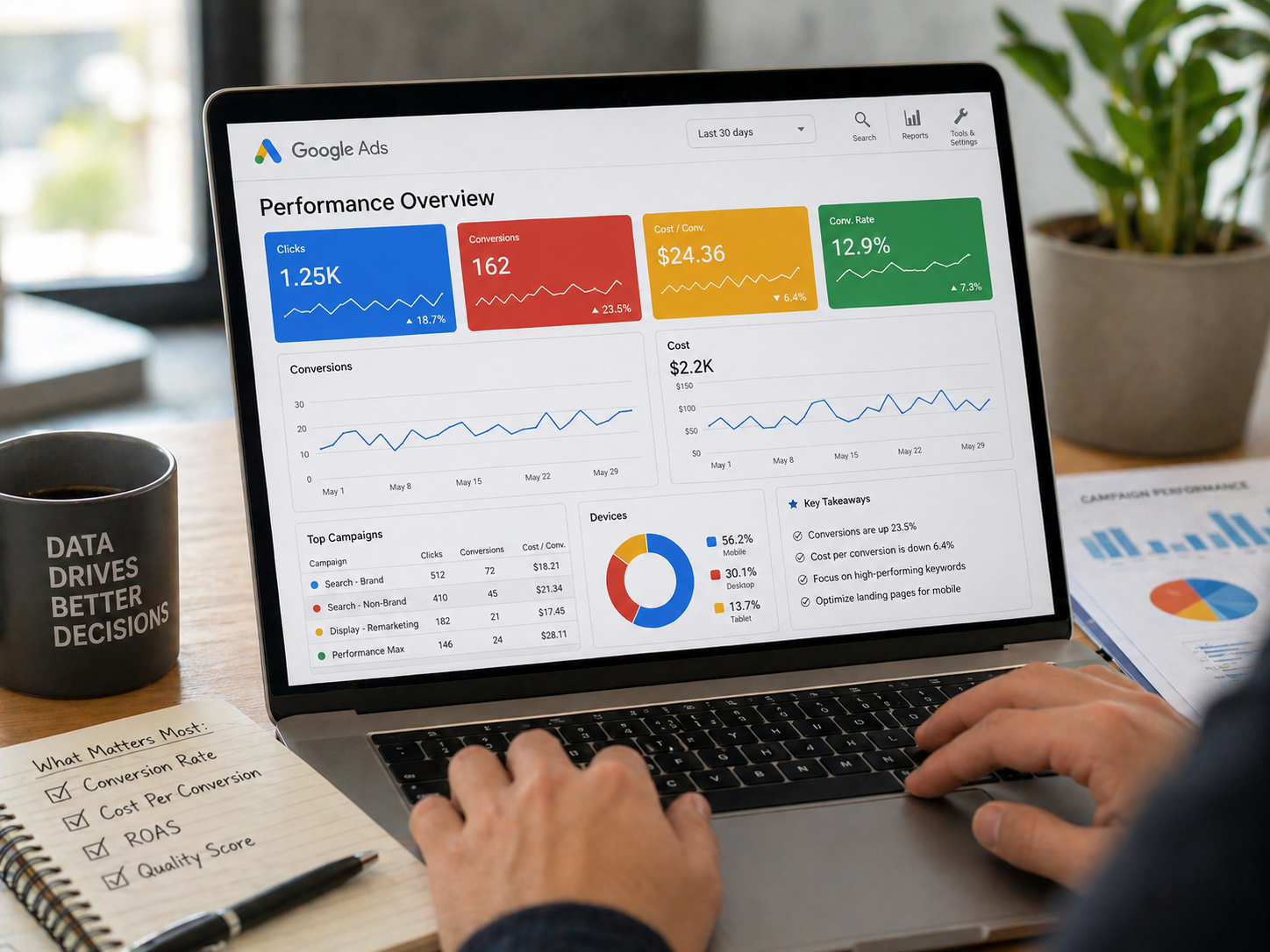
How call tracking improves Google Ads performance for local businesses
Every customer call matters. Whether it’s a plumbing service responding to an emergency, a law firm fielding consultation inquiries, or a salon booking appointments, phone calls often represent the highest-intent leads. Yet many businesses invest heavily in Google Ads without understanding which ads, keywords, or campaigns actually drive these calls. Without this insight, marketing budgets can be wasted, and opportunities to optimize performance are lost.
Call tracking bridges this gap by providing actionable data on who is calling, which ads prompted the call, and how well those calls convert into revenue. When integrated with Google Ads, call tracking transforms marketing efforts from guesswork into measurable performance metrics. This blog explores how local businesses can leverage call tracking to improve their Google Ads campaigns, optimize ROI, and gain a deeper understanding of their customers.
Understanding Call Tracking and Its Importance
Call tracking is a system that assigns unique phone numbers to different marketing sources—such as Google Ads campaigns, social media, or email campaigns—allowing businesses to identify which sources generate inbound calls.
Key benefits include:
- Performance Insights: Know exactly which ads or keywords lead to calls.
- Customer Behavior Analysis: Understand how prospects interact with your business over the phone.
- ROI Measurement: Link phone leads directly to ad spend for accurate marketing attribution.
- Data-Driven Optimization: Make informed decisions to improve campaign performance.
For local businesses, where phone calls often lead to immediate revenue, call tracking turns marketing data into actionable insights, ensuring every advertising dollar is spent efficiently.
Integrating Call Tracking With Google Ads
Integrating call tracking with Google Ads allows businesses to see the complete journey from click to call, and ultimately, to conversion. Google provides native call tracking through call extensions and call-only ads, but third-party call tracking solutions can offer deeper insights.
Integration steps include:
- Use Google Call Extensions: Add call buttons to ads to track calls directly within Google Ads.
- Dynamic Number Insertion (DNI): Assign unique numbers to different campaigns, ad groups, or keywords for granular tracking.
- CRM Integration: Sync call tracking data with your customer relationship management system to monitor conversions.
- Call Analytics Dashboard: Monitor trends, durations, and outcomes for each call.
With proper integration, businesses can connect ad spend to real-world revenue, creating a complete picture of campaign effectiveness.
Measuring Call Quality, Not Just Quantity
While tracking the number of calls is important, call quality is even more critical. Not all calls are equally valuable—some may be sales inquiries, while others may be wrong numbers or low-intent questions.
Factors to consider when evaluating call quality:
- Call duration and engagement
- Caller intent and interest level
- Outcome of the call (appointment scheduled, consultation booked, sale closed)
- Repeat calls or follow-up interactions
Call tracking allows businesses to filter out low-value calls and focus on campaigns that generate leads with the highest potential for conversion.
Optimizing Google Ads Campaigns With Call Data
Call tracking data can inform decisions to improve ad performance. By analyzing which campaigns and keywords drive high-quality calls, businesses can adjust bidding strategies, ad copy, and targeting.
Optimization tactics include:
- Keyword Refinement: Allocate budget to high-performing keywords that generate qualified calls.
- Ad Copy Testing: Highlight unique selling points or promotions that attract callers.
- Geo-Targeting Adjustments: Focus ads on areas that produce the most phone leads.
- Scheduling Ads: Optimize ad delivery during peak calling hours for maximum conversion potential.
Using call data to optimize campaigns ensures marketing spend is focused on sources that produce measurable results.
Understanding Customer Behavior Through Call Insights
Call tracking provides a window into customer behavior that clicks and impressions alone cannot reveal.
Insights gained include:
- Common questions and pain points from prospects
- Patterns in call timing, frequency, and duration
- Customer demographics and location trends
- Service preferences and popular offerings
These insights allow businesses to refine messaging, website content, and ad campaigns to better align with customer needs, improving engagement and conversion rates.
Enhancing Local SEO With Call Data
Although call tracking is primarily associated with paid campaigns, it can also enhance local SEO efforts. Calls often indicate high-intent searches that can guide content creation, keyword targeting, and optimization strategies.
Ways call data supports local SEO:
- Identify local keywords based on caller language and queries
- Discover high-demand services to feature on local landing pages
- Use insights from calls to improve Google Business Profile descriptions and posts
- Optimize website and content to answer frequent caller questions
By integrating call insights into local SEO, businesses ensure their online presence aligns with real-world customer behavior.
Reducing Wasted Ad Spend
One of the biggest challenges for local businesses running Google Ads is wasted spend on unqualified clicks. Call tracking allows for precise measurement of which ads generate actionable leads.
Strategies to reduce waste include:
- Pausing keywords or ads that generate low-quality or irrelevant calls
- Adjusting bids for high-performing areas, times, or devices
- Refining ad targeting to focus on specific neighborhoods or service areas
- Eliminating non-local traffic that does not convert into calls
This targeted approach ensures every ad dollar is invested where it counts, improving ROI significantly.
Tracking Call Conversions and Revenue
Call tracking enables businesses to connect phone leads to actual revenue. By monitoring which calls result in appointments, sales, or consultations, businesses can determine the true value of their advertising efforts.
Key tracking methods include:
- Call Tags: Categorize calls by source, campaign, and outcome
- CRM Integration: Track the customer journey from call to sale
- Revenue Attribution: Assign dollar values to calls to measure ROI per campaign
- Performance Reporting: Generate insights for decision-making and future strategy
Understanding the financial impact of calls allows businesses to justify ad spend and allocate resources effectively.
Continuous Improvement Through Call Tracking
The value of call tracking grows over time. Regular analysis helps businesses continually refine campaigns, improve ad targeting, and enhance local visibility.
Steps for continuous improvement:
- Review monthly call tracking reports to identify trends
- Update ad copy and landing pages based on common caller inquiries
- Experiment with new call extensions, ad formats, or geo-targeting strategies
- Maintain a feedback loop between Google Ads performance and call tracking insights
By consistently applying insights from call data, local businesses can increase conversions, improve customer experience, and maximize ROI from both paid and organic efforts.
How GetPhound Helps Local Businesses Leverage Call Tracking
Implementing call tracking effectively requires technical knowledge, integration expertise, and ongoing optimization. GetPhound assists businesses by:
- Setting up advanced call tracking systems integrated with Google Ads and CRM platforms
- Analyzing call quality, volume, and outcomes to optimize campaigns
- Aligning call tracking data with local
SEO strategies for holistic growth
- Providing actionable insights to reduce wasted ad spend and increase ROI
- Continuously monitoring and refining campaigns based on call performance
With GetPhound’s guidance, local businesses can transform every call into measurable value, improving both paid advertising results and overall marketing effectiveness.
Maximizing ROI With Calls as a Key Metric
Call tracking is no longer optional for local businesses aiming to maximize Google Ads performance—it’s a necessity. By measuring, analyzing, and acting on call data, businesses gain a competitive edge, optimizing campaigns for high-intent leads that convert into revenue. Integrating call tracking with Google Ads provides a full view of campaign performance, allowing businesses to make data-driven decisions, reduce wasted spend, and strengthen local SEO.
Partnering with
GetPhound ensures that call tracking isn’t just implemented—it’s leveraged strategically to drive measurable growth, higher ROI, and a stronger presence in your local market. Every call becomes an opportunity, and every opportunity becomes a path to sustained business success.