There was a time when SEO felt like a numbers game—stuff enough keywords onto a page, build a few links, and rankings would follow. That era is long gone. Today, search engines are smarter, users are more intentional, and competition is fiercer than ever. The businesses winning in search aren’t just optimizing—they’re aligning their entire strategy around intent, behavior, and outcomes. And at the center of it all is keyword strategy. Not just choosing keywords, but understanding how they connect to growth, visibility, and revenue. That’s where organic SEO evolves from a tactic into a true business driver.
Keyword strategy today is no longer about chasing volume—it’s about capturing demand at the right moment. When done right, it becomes the foundation of a sustainable SEO system that attracts, converts, and scales.
The Evolution of Keyword Strategy in SEO
Keyword strategy has undergone a massive transformation over the past decade. Early SEO tactics focused heavily on exact-match keywords, often sacrificing readability and user experience in the process. Today, search engines like Google prioritize context, intent, and semantic relevance.
Modern keyword strategy is built on understanding how people search—not just what they type. This includes:
- Conversational queries
- Voice search patterns
- Contextual meaning
The shift has been driven by advancements in artificial intelligence and natural language processing. Search engines now interpret meaning rather than just matching words.
| Old Keyword Strategy | Modern Keyword Strategy |
|---|---|
| Exact match focus | Intent-based targeting |
| Keyword stuffing | Natural language optimization |
| Volume-driven | Conversion-driven |
This evolution means businesses must rethink how they approach keywords—not as isolated terms, but as part of a larger strategy.
Why Search Intent Is the Real Game-Changer
Search intent has become the cornerstone of effective keyword strategy. It answers a simple but critical question: what is the user trying to accomplish?
There are four primary types of intent:
- Informational
- Navigational
- Commercial
- Transactional
Understanding these categories allows businesses to align their content with user expectations. This is a core principle of Search Engine Optimization.
For example, someone searching “best CRM software” is in the research phase, while someone searching “buy CRM software today” is ready to take action.
Targeting the wrong intent leads to wasted traffic. Targeting the right intent leads to conversions.
High-Intent Keywords vs High-Volume Keywords
One of the biggest mistakes businesses make is prioritizing high-volume keywords over high-intent ones.
High-volume keywords may bring traffic, but they don’t always bring results. High-intent keywords, on the other hand, often have lower search volume but higher conversion rates.
- High-volume: “marketing tips”
- High-intent: “hire marketing agency near me”
A balanced strategy includes both, but prioritizes intent when it comes to revenue generation.
The Power of Long-Tail Keywords
Long-tail keywords are longer, more specific search queries that often indicate stronger intent.
- Lower competition
- Higher conversion rates
- More targeted traffic
These keywords are especially valuable for businesses looking to build authority and capture niche markets.
How Local Keyword Strategy Drives Real Revenue
For service-based businesses, local keywords are critical. They connect your business with customers who are ready to take action in your area.
Effective local SEO focuses on:
- Location-specific keywords
- Google Business Profile optimization
- Local intent queries
These strategies ensure your business appears when it matters most.
Content Mapping and Keyword Clustering
Keyword clustering involves grouping related keywords together to create comprehensive content.
Benefits include:
- Improved topical authority
- Better user experience
- Stronger rankings
This approach allows you to cover topics more thoroughly and avoid keyword cannibalization.
Avoiding Common Keyword Strategy Mistakes
Common mistakes include:
- Targeting irrelevant keywords
- Ignoring search intent
- Over-optimizing content
Avoiding these pitfalls is essential for long-term success.
The Role of Data in Keyword Strategy
Data-driven decisions are critical in modern SEO.
- Keyword research tools
- Analytics platforms
- Conversion tracking
These tools provide insights that guide your strategy.
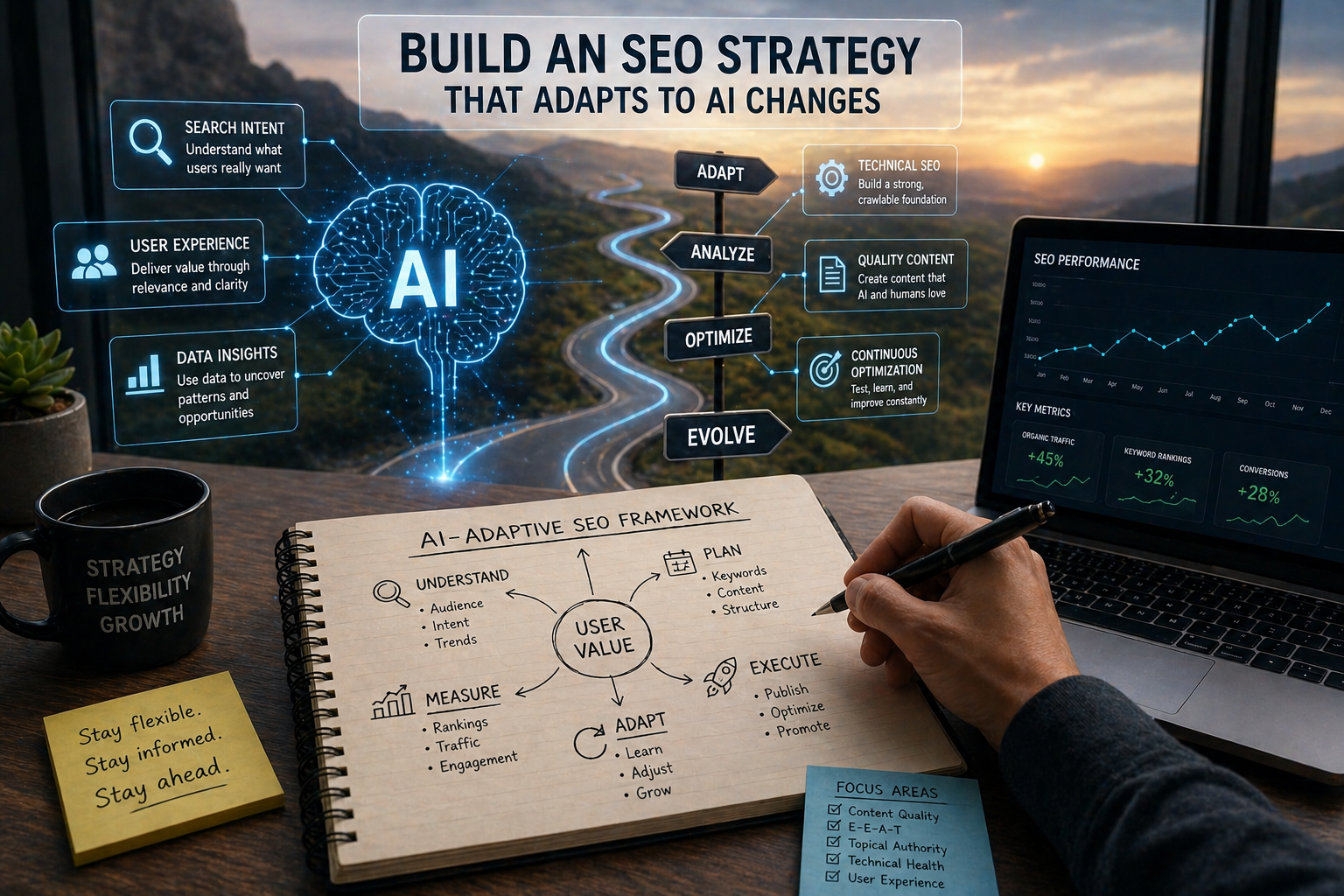
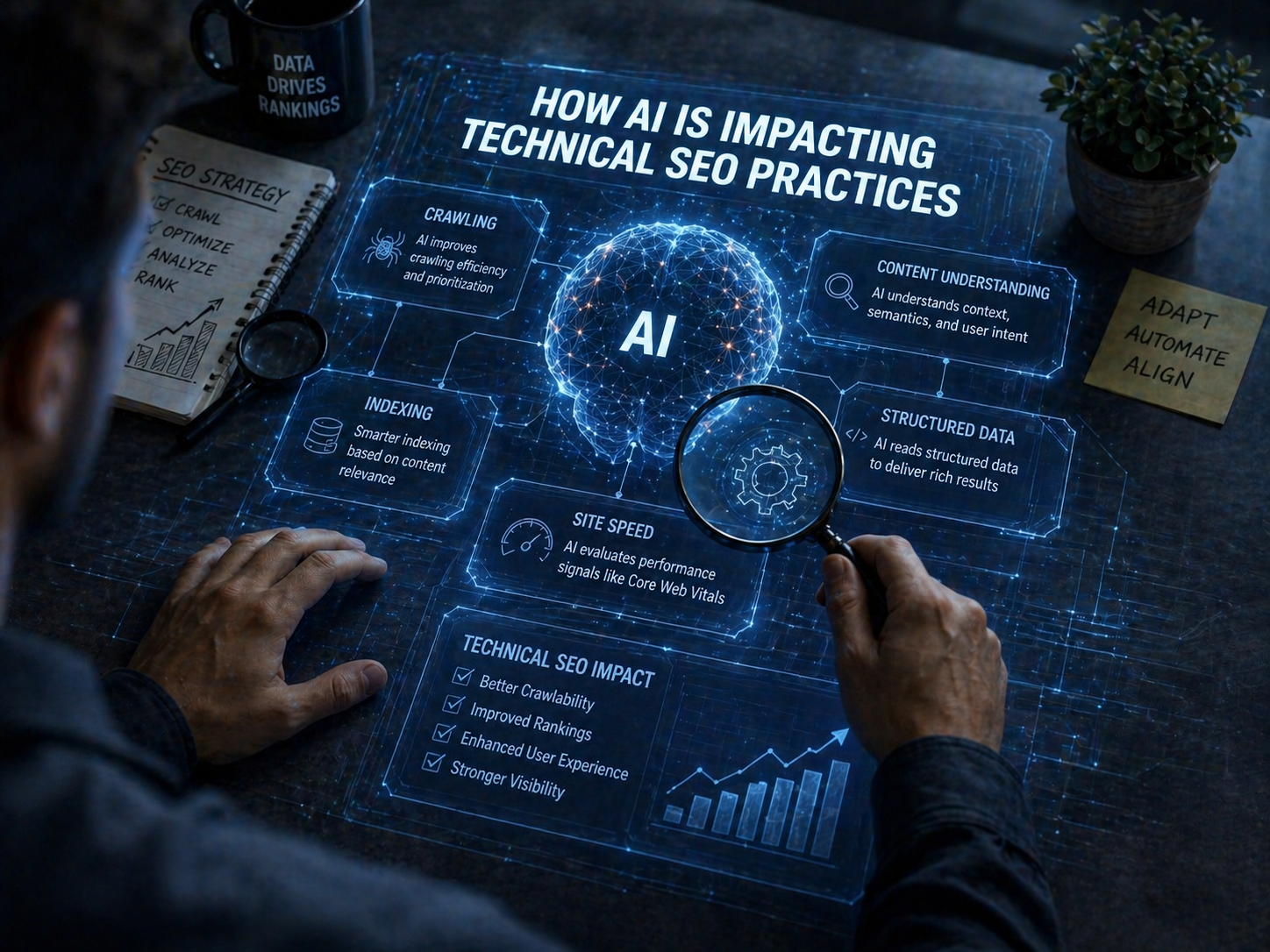
Adapting to AI and Search Changes
AI is reshaping how search engines interpret queries. Keyword strategy must evolve accordingly.
Focus on:
- Natural language
- User intent
- Content quality
Building a Keyword Strategy That Scales
A scalable keyword strategy grows with your business.
- Expand content topics
- Target new markets
- Refine based on data
This ensures long-term growth and sustainability.
Bringing It All Together
Keyword strategy is no longer just a part of SEO—it is the foundation of it. By focusing on intent, relevance, and scalability, businesses can create a system that drives consistent, long-term growth.
Partnering with a results-driven platform like GetPhound ensures that your keyword strategy aligns with real business outcomes, not just rankings.