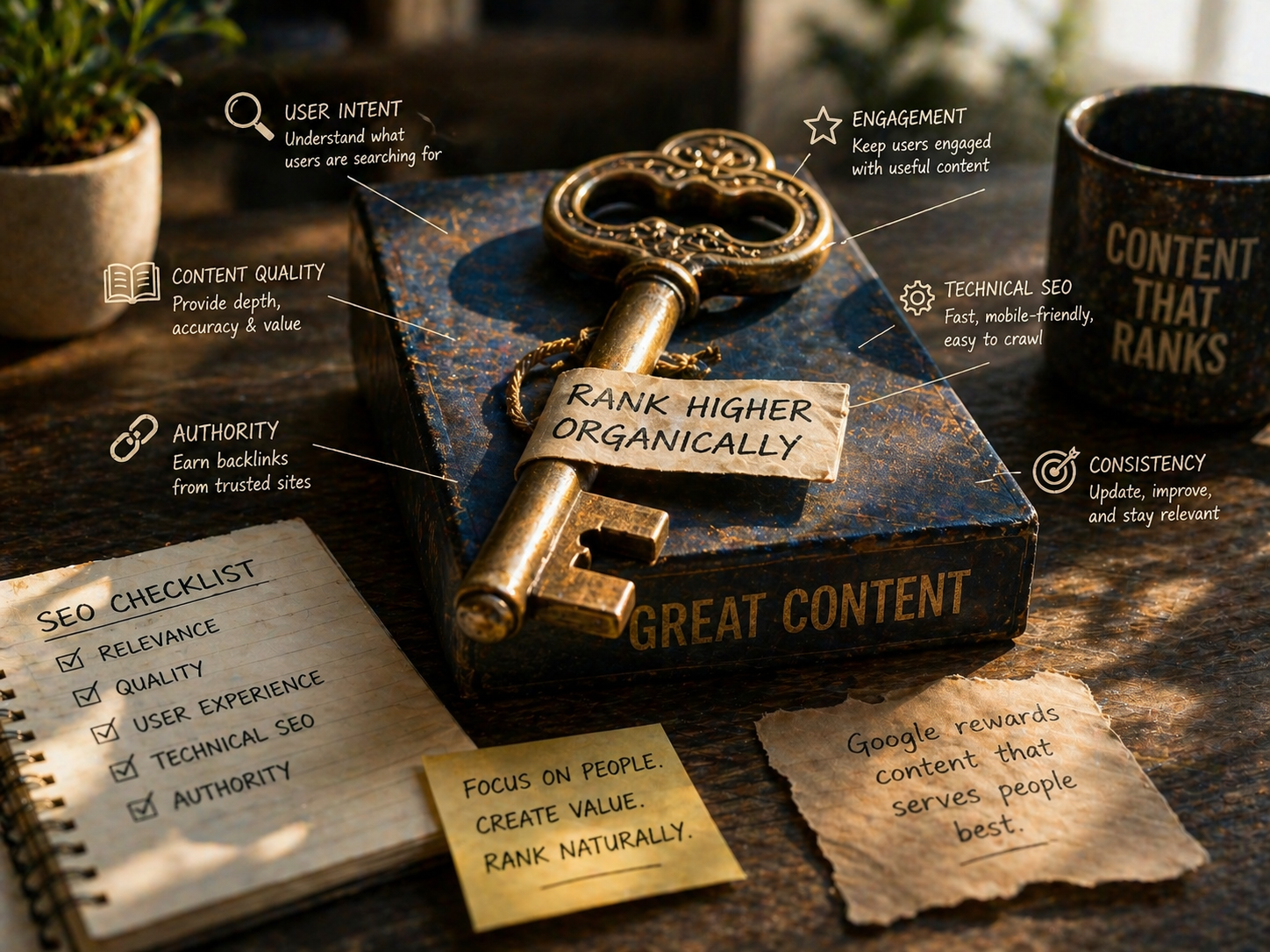
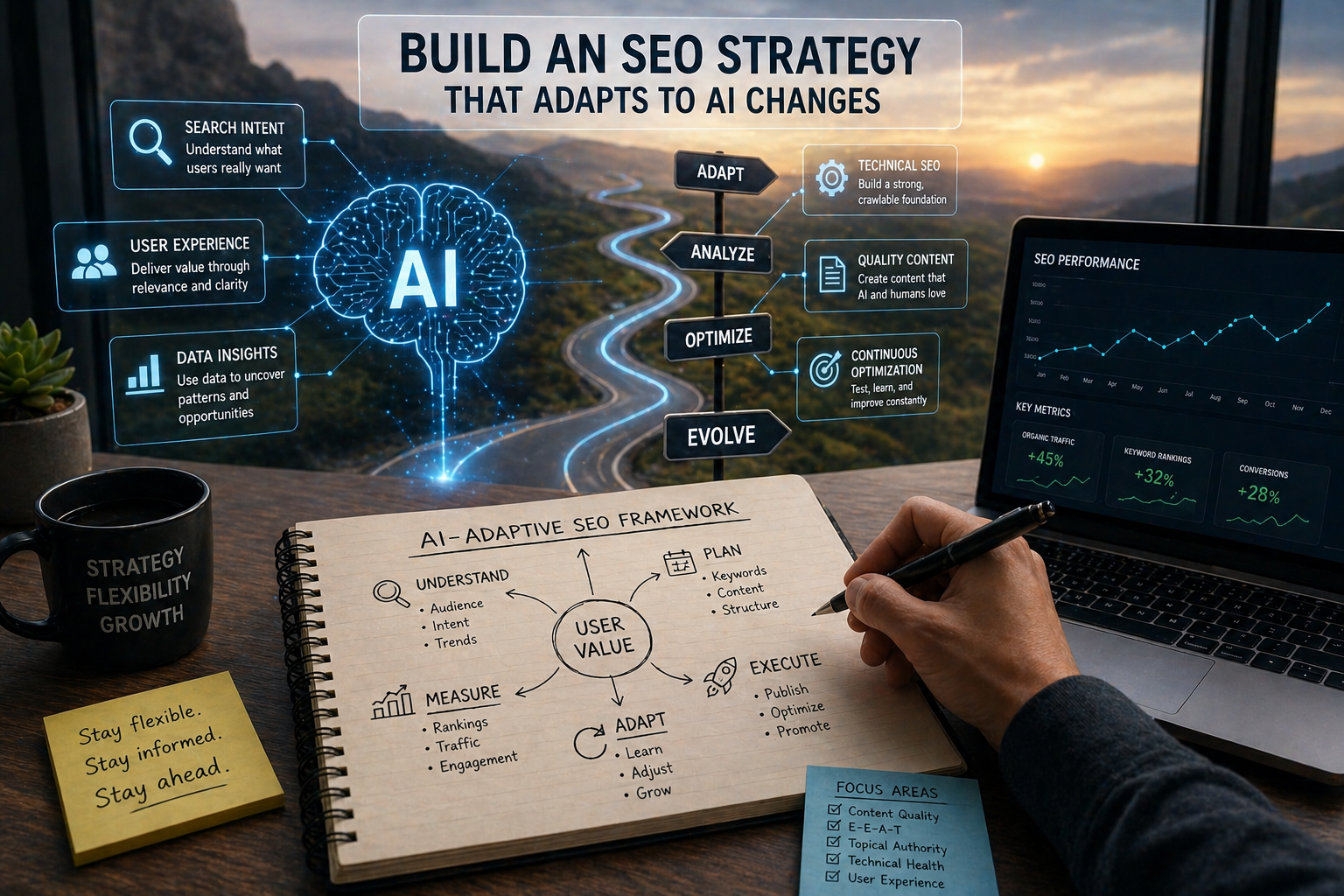
Most businesses don’t fail at SEO because they lack effort—they fail because they chase short-term wins. They jump from one tactic to another, chasing rankings, trends, or algorithm updates, hoping something sticks. But sustainable growth doesn’t come from shortcuts. It comes from building a system that compounds over time. That’s the real promise of organic SEO —not quick spikes in traffic, but consistent, scalable growth that strengthens your business month after month.
A sustainable SEO strategy isn’t just about getting found—it’s about staying relevant, competitive, and profitable over the long run. It aligns your content, technical setup, and user experience into a single growth engine that works even when you’re not actively managing it every day.
Understanding What “Sustainable SEO” Really Means
Sustainability in SEO is about building systems that continue to deliver results long after the initial work is done. Unlike paid ads, which stop generating leads the moment you stop spending, a sustainable SEO strategy compounds. It builds authority, trust, and visibility over time.
At its core, sustainable SEO focuses on:
- Long-term keyword relevance
- High-quality content that remains valuable
- Strong technical foundations
- Consistent user experience improvements
This approach requires patience, but the payoff is significant. Instead of constantly chasing traffic, you create a system where traffic finds you naturally.
A sustainable strategy also adapts. Search engines evolve, user behavior changes, and competitors enter the market. Your SEO approach must be flexible enough to adjust without losing momentum.
| Short-Term SEO | Sustainable SEO |
|---|---|
| Quick wins | Long-term growth |
| High risk tactics | Stable, proven methods |
| Traffic spikes | Consistent traffic flow |
Building a Strong Foundation With Proper Keyword Strategy
Keywords are the backbone of any SEO strategy, but not all keywords are created equal. Sustainable SEO requires a focus on intent-driven keywords—search terms that align with what your audience actually wants.
Instead of targeting only high-volume keywords, consider:
- Long-tail keywords with clear intent
- Local search terms for service-based businesses
- Transactional keywords that drive conversions
Understanding Search Engine Optimization at a deeper level helps you recognize that search intent matters more than search volume.
A balanced keyword strategy includes:
- Top-of-funnel awareness keywords
- Mid-funnel consideration keywords
- Bottom-of-funnel decision keywords
This ensures that your SEO efforts capture users at every stage of the buying journey.
Creating Content That Compounds Over Time
Content is one of the most powerful tools in SEO—but only when it’s done right. Sustainable content is designed to remain relevant, useful, and valuable long after it’s published.
High-performing content typically:
- Answers specific questions
- Provides actionable insights
- Is regularly updated
Instead of producing large volumes of low-quality content, focus on fewer, higher-quality pieces that can be updated and expanded over time.
Evergreen content—content that remains relevant regardless of trends—is especially valuable in a sustainable SEO strategy.
The Role of Technical SEO in Long-Term Growth
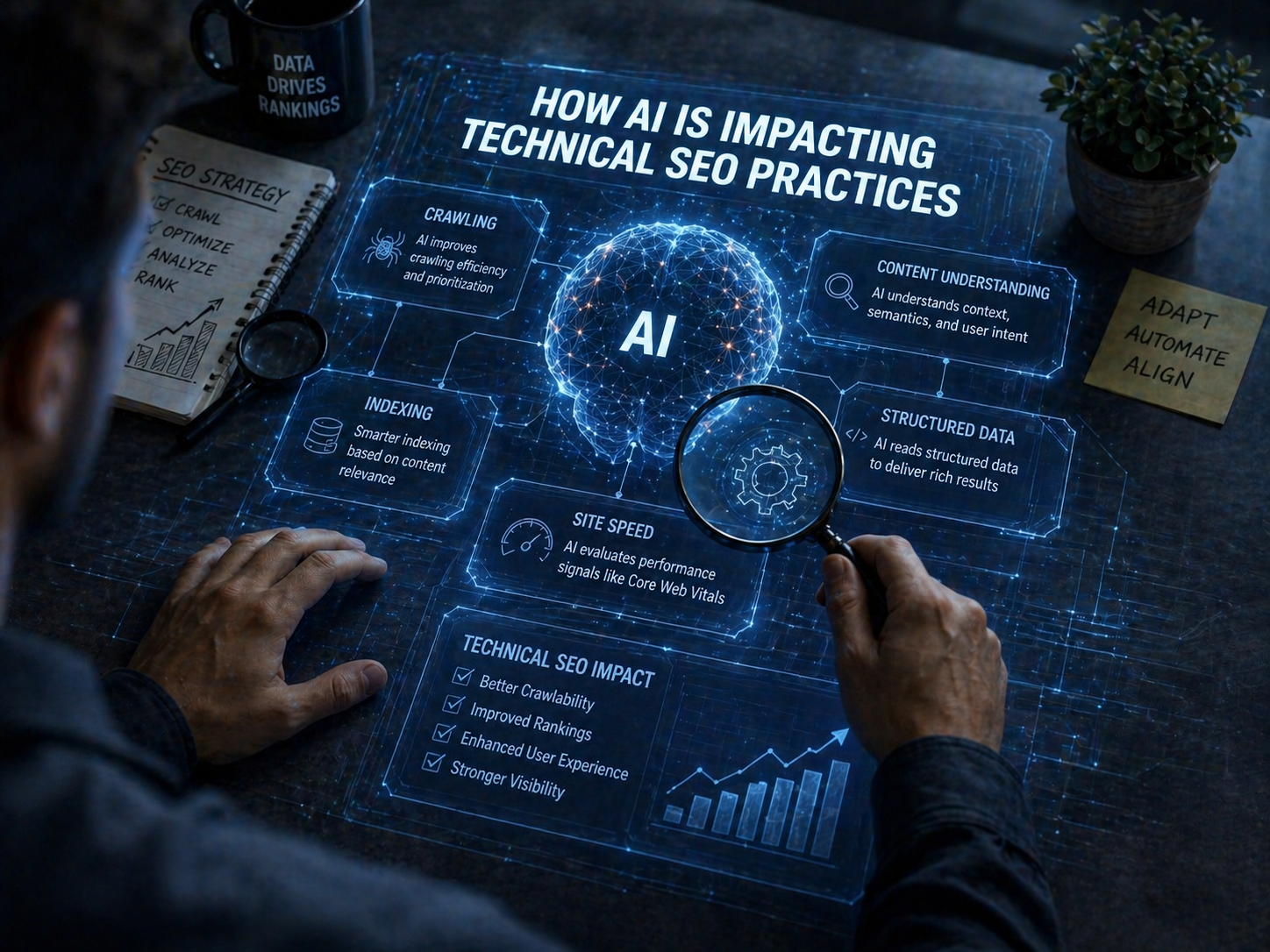
Technical SEO ensures that your website is accessible, fast, and easy to navigate for both users and search engines.
- Fast loading speeds
- Mobile responsiveness
- Clean site architecture
These factors not only impact rankings but also influence user experience and conversion rates.
Why Local SEO Is Critical for Sustainable Growth
For businesses that rely on local customers, local SEO is essential. It ensures that your business appears in local search results when potential customers are actively looking for your services.
Key elements include:
- Google Business Profile optimization
- Local citations
- Customer reviews
Local SEO drives high-intent traffic, making it one of the most effective strategies for sustainable growth.
Building Authority Through Backlinks
Backlinks remain a critical ranking factor. They signal trust and authority to search engines.
Sustainable link-building focuses on:
- Quality over quantity
- Relevant industry connections
- Natural link acquisition
Avoid spammy tactics that can harm your site in the long run.
User Experience as a Ranking Factor
Search engines prioritize websites that provide a positive user experience.
- Easy navigation
- Clear calls-to-action
- Engaging design
A better user experience leads to higher engagement and conversions.
Measuring What Matters in SEO
Tracking the right metrics is essential for long-term success.
- Organic traffic
- Conversion rates
- Keyword rankings
Focus on metrics that align with your business goals.
Consistency Over Perfection
Sustainable SEO is about consistency. Regular updates, ongoing optimization, and continuous learning are key.
Small improvements over time lead to significant results.
Adapting to Algorithm Changes
Search engines constantly evolve. A sustainable strategy adapts without losing focus.
Stay informed, but avoid chasing every update.
Bringing It All Together
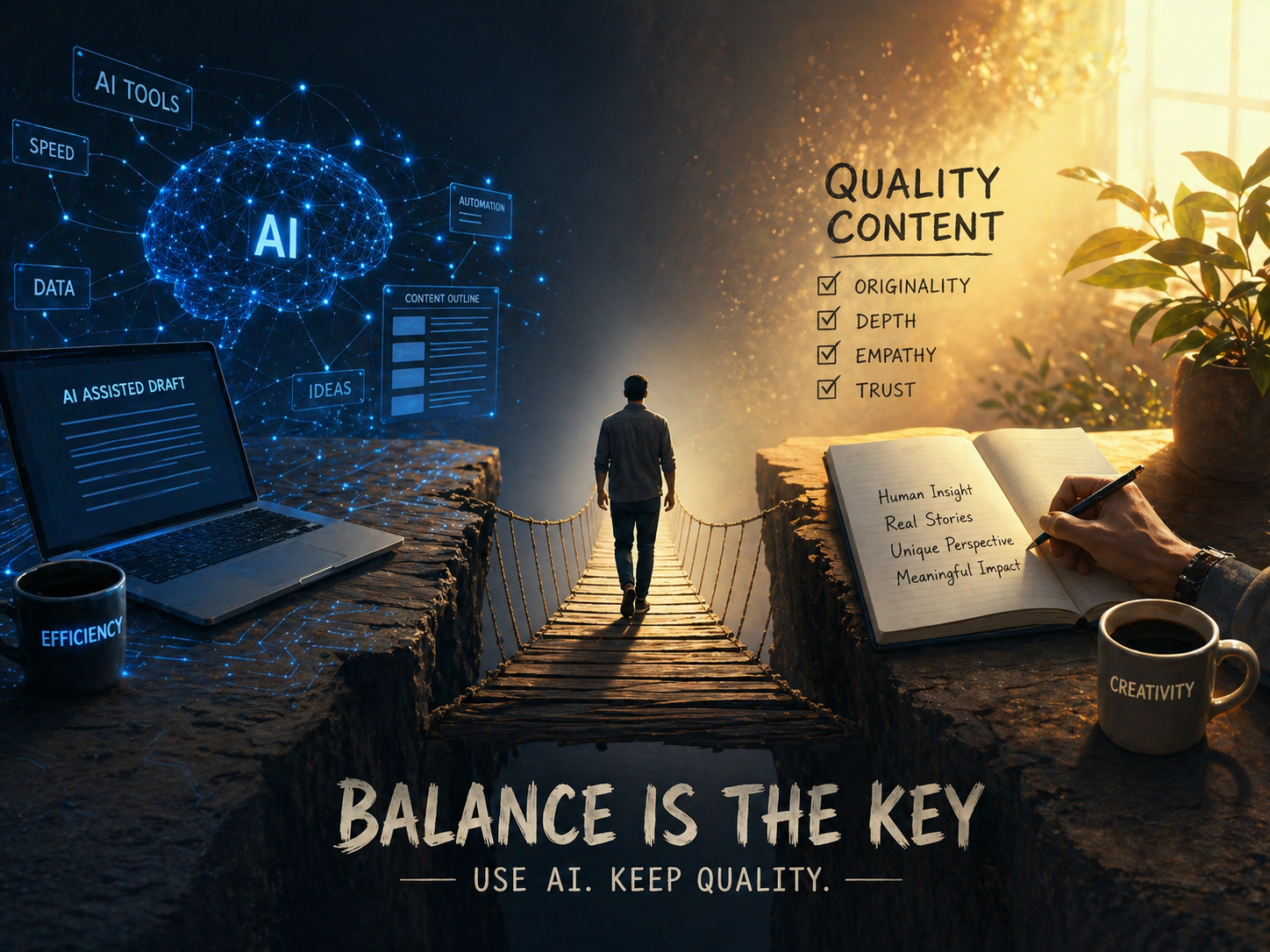
Building a sustainable SEO strategy isn’t about quick wins—it’s about creating a system that delivers consistent, long-term growth. By focusing on quality, strategy, and adaptability, businesses can achieve lasting success in search.
Partnering with a results-driven platform like GetPhound ensures that your SEO efforts are aligned with measurable outcomes and long-term growth.