Understanding Search Engine Algorithms and What They Prioritize
Search engines are not just digital directories—they are complex decision-makers constantly evaluating billions of pages to determine what deserves attention. At the heart of this system lies a constantly evolving algorithm that determines rankings, visibility, and ultimately, success online. Businesses investing in organic SEO quickly realize that staying visible is not about shortcuts—it’s about understanding what search engines truly value and aligning with those priorities.
Direct Answer: Search engine algorithms prioritize relevance, authority, user experience, and trust. They evaluate content quality, backlinks, technical performance, and user behavior signals to determine which pages rank highest in search results.
How Search Engine Algorithms Actually Work
Search engine algorithms are essentially a set of rules and processes used to retrieve data from the index and instantly deliver the best possible results for a query. While many think of it as a single system, it is actually a combination of multiple algorithms working together.
These systems scan websites using bots (also called crawlers), store the information in massive databases (indexes), and then rank pages based on hundreds of ranking signals. These signals include keywords, content quality, site structure, backlinks, and user engagement.
- Crawling – Discovering pages
- Indexing – Storing and organizing content
- Ranking – Determining position in results
The process is continuous. Algorithms are updated regularly, meaning strategies that worked last year may not work today. Understanding this dynamic nature is key to staying competitive.
The Importance of Relevance in Rankings
Relevance is the foundation of every search result. When a user types a query, the algorithm’s first job is to find content that matches intent—not just keywords.
Modern algorithms use semantic understanding and natural language processing to interpret meaning. This means:
- Exact keyword matching is no longer enough
- Context matters more than repetition
- User intent drives results
For example, a search for “best pizza near me” triggers location-based results, not just pages with those exact words. This is where local SEO becomes critical, especially for service-based businesses.
Content Quality as a Core Ranking Factor
Search engines prioritize high-quality content because their goal is to satisfy users. Thin, duplicated, or low-value content is pushed down, while in-depth, helpful content rises.
| Low-Quality Content | High-Quality Content |
|---|---|
| Keyword stuffing | Natural language usage |
| Short, vague answers | Detailed, structured explanations |
| No original insight | Unique perspectives and data |
Strong content answers questions fully, keeps readers engaged, and demonstrates expertise. It also aligns with Google's E-E-A-T framework (Experience, Expertise, Authority, Trust).
Authority and the Role of Backlinks
Authority is largely determined by backlinks—links from other websites pointing to your content. Think of them as votes of confidence.
However, not all backlinks are equal:
- High-authority sites carry more weight
- Relevant links are more valuable than random ones
- Spammy links can harm rankings
Search engines evaluate both the quantity and quality of backlinks to determine trustworthiness.
User Experience Signals and Engagement
User behavior plays a major role in rankings. If users click your page and leave immediately, that signals poor relevance.
- Bounce rate
- Time on page
- Click-through rate (CTR)
A well-designed website with clear navigation and engaging content keeps users longer, which positively impacts rankings.
Technical SEO and Website Performance
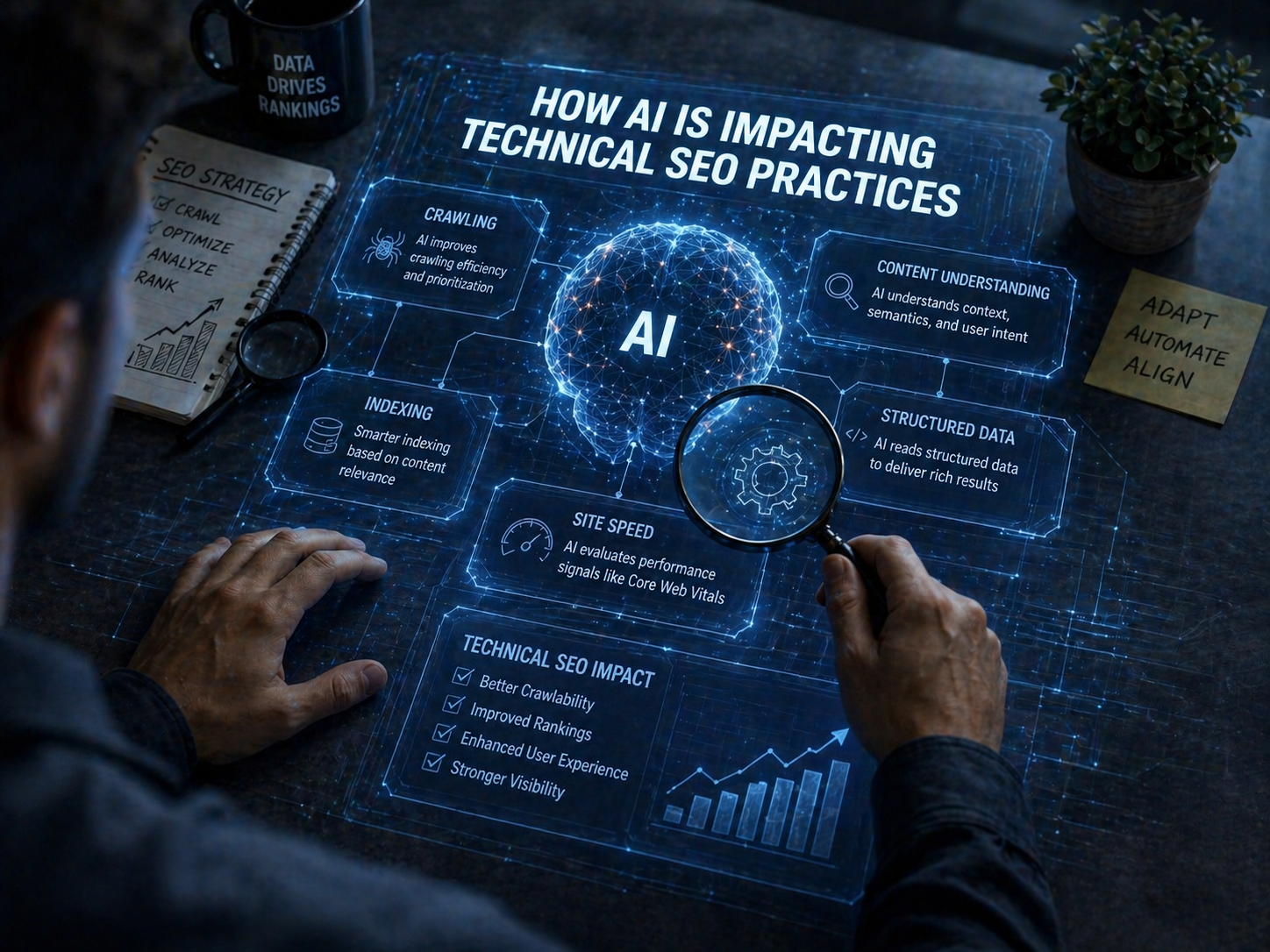
Even the best content won’t rank if the site is technically flawed. Technical SEO ensures search engines can properly crawl and index your pages.
- Fast loading speed
- Mobile responsiveness
- Secure HTTPS connection
- Clean URL structure
Core Web Vitals—metrics that measure user experience—have become especially important in recent years.
The Role of Search Intent in Modern SEO
Search intent is the reason behind a user’s query. Algorithms categorize intent into four main types:
- Informational
- Navigational
- Transactional
- Commercial investigation
Content that aligns perfectly with intent is far more likely to rank. For example, a blog post won’t rank for a transactional query like “buy running shoes online.”
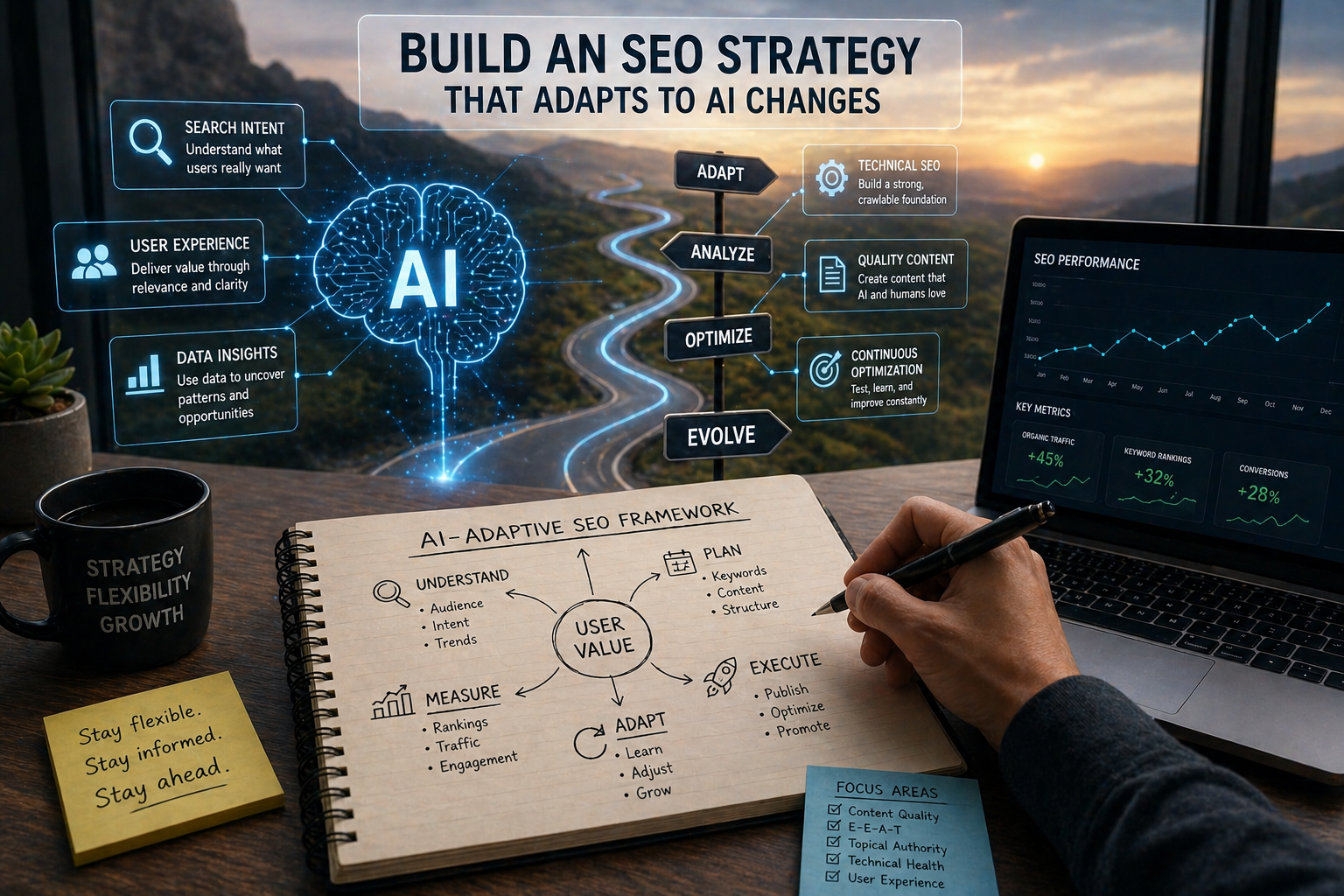
How AI and Machine Learning Influence Rankings
Search engines now use AI systems like RankBrain and BERT to better understand language and user behavior.
These systems help:
- Interpret complex queries
- Understand synonyms and context
- Adjust rankings based on user interaction
This means SEO is no longer just technical—it’s behavioral and contextual.
Freshness and Content Updates
Search engines favor fresh content, especially for topics that change frequently.
- Updating old posts improves rankings
- Adding new information signals relevance
- Regular publishing builds authority
However, evergreen content can still rank long-term if it remains accurate and useful.
Trust Signals and Website Credibility
Trust is a major ranking factor. Websites that appear credible and secure are favored.
- Clear contact information
- Privacy policies
- Author bios
- Positive reviews
These elements help both users and search engines feel confident in your site.
Future Trends in Search Engine Algorithms
Search engines continue to evolve rapidly. Future trends include:
- Voice search optimization
- Visual search technology
- AI-generated summaries
- Greater personalization
Businesses that adapt early will have a competitive advantage.
Final Thoughts on Search Engine Priorities
Search engine algorithms are complex, but their goal is simple: deliver the best possible result for every query. By focusing on relevance, quality, authority, and user experience, businesses can align with these priorities and achieve sustainable growth.
If you want to stay competitive in today’s digital landscape, investing in Search Engine Optimization is no longer optional—it’s essential.
For businesses looking to take their strategy to the next level, working with experts like GetPhound can provide the guidance and execution needed to succeed in an ever-changing search environment.