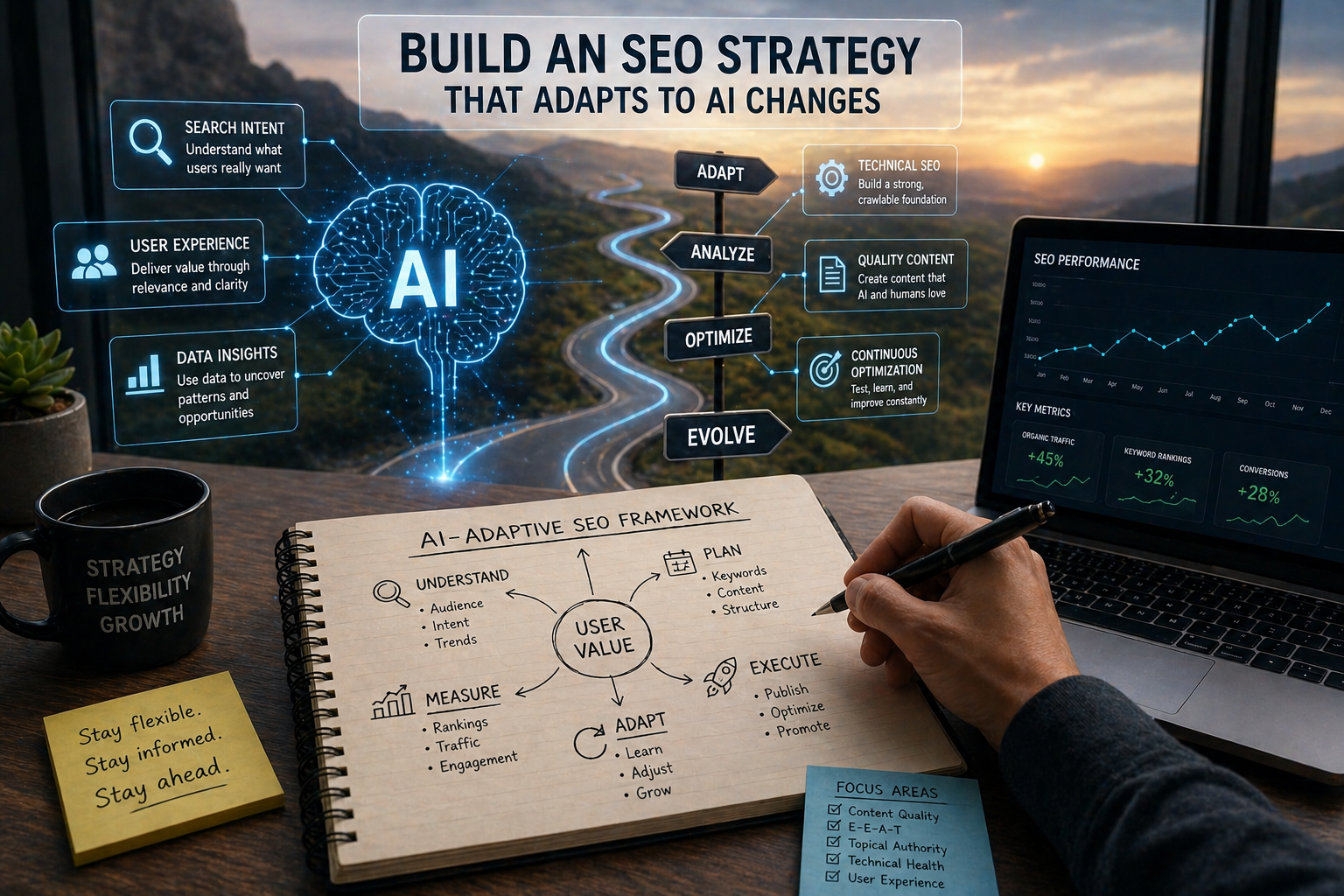
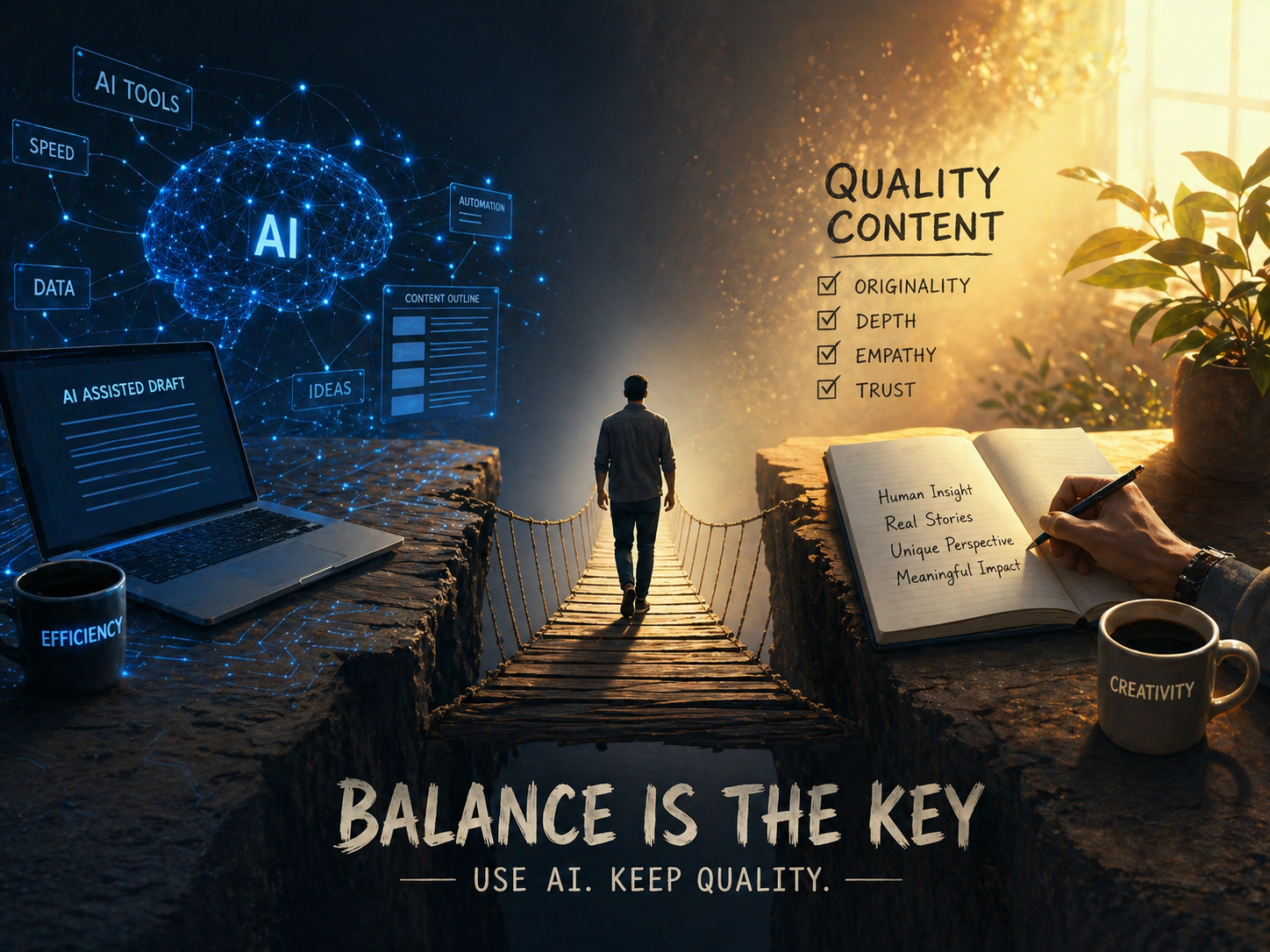
Ranking on Google used to feel like a formula—insert the right keywords, build some links, and watch your pages climb. But today, rankings are no longer just about what words you use—they’re about why someone searches in the first place. Search engines have evolved beyond simple matching; they now interpret behavior, context, and expectations. That means if your content doesn’t align with what users actually want, it won’t rank—no matter how optimized it looks. This is where organic SEO becomes less about tactics and more about understanding intent.
Search intent is the invisible layer behind every query. It determines what type of content appears in results, how users engage with pages, and ultimately, which websites win attention—and which ones get ignored.
What Search Intent Really Means
Search intent refers to the purpose behind a user’s query. It’s the reason someone types something into Google in the first place. Understanding this intent is critical because search engines prioritize content that best satisfies it.
There are four primary types of search intent:
- Informational: Looking for answers or knowledge
- Navigational: Trying to find a specific website
- Commercial: Researching before making a purchase
- Transactional: Ready to take action
This classification is foundational to modern Search Engine Optimization, as it helps align content with user expectations.
If your content doesn’t match the intent, it won’t perform—no matter how well it’s optimized technically.
| Search Query | Intent Type | Best Content Type |
|---|---|---|
| “What is SEO?” | Informational | Blog/Guide |
| “Best SEO agency near me” | Commercial | Service Page |
| “Hire SEO agency” | Transactional | Landing Page |
Why Google Prioritizes Intent Over Keywords
Google’s goal is simple: deliver the best possible result for every query. To do that, it must understand not just the words used, but the meaning behind them.
This shift has been driven by advancements in AI and machine learning. Search engines now evaluate:
- User behavior
- Click-through rates
- Time spent on page
These signals help determine whether a page satisfies intent.
If users quickly leave your page, it’s a sign that your content didn’t meet their expectations.
The Connection Between Intent and Rankings
Rankings are directly influenced by how well your content aligns with search intent.
Even if your page is technically optimized, it won’t rank if it doesn’t match what users are looking for.
- High intent match = better rankings
- Poor intent match = lower visibility
This makes intent one of the most important ranking factors in modern SEO.
How to Identify Search Intent
Identifying intent requires analyzing search results and understanding user behavior.
- Look at top-ranking pages
- Analyze content types
- Review SERP features
This helps you determine what Google considers the best match for a query.
Matching Content to Intent
Once you understand intent, the next step is creating content that aligns with it.
- Informational intent → Educational content
- Transactional intent → Sales-focused pages
Matching content to intent improves both rankings and conversions.
The Role of Local Intent in Search
Local intent is especially important for service-based businesses. When users search for services near them, they expect relevant, location-specific results.
Effective local SEO ensures your business appears in these searches.
- Optimize for location keywords
- Maintain accurate business listings
- Encourage customer reviews
Common Mistakes When Targeting Search Intent
Many businesses struggle with intent because they focus too much on keywords.
- Ignoring user expectations
- Using the wrong content format
- Over-optimizing for keywords
Avoiding these mistakes is critical for success.
How Content Structure Supports Intent
Content structure plays a major role in satisfying intent.
- Clear headings
- Easy navigation
- Readable formatting
Well-structured content improves user experience and engagement.
Measuring Success Through Intent Alignment
The effectiveness of your strategy can be measured through:
- Engagement metrics
- Conversion rates
- Bounce rates
These indicators reveal whether your content matches user intent.
Adapting to Changes in Search Behavior
Search behavior evolves over time, and your strategy must adapt.
Staying updated ensures your content remains relevant.
Bringing It All Together
Search intent is the foundation of modern SEO. By aligning your content with what users truly want, you can improve rankings, increase engagement, and drive meaningful results.
Partnering with a results-driven platform like GetPhound ensures your SEO strategy is built around intent, not guesswork.