How to write meta descriptions that improve click-through rates
Most website owners and marketers focus on headlines, blog content, and SEO keywords, but overlook one small yet mighty element: the meta description. These short snippets of text, usually 150–160 characters, appear under your page title in search results and can make the difference between a click and a pass. In essence, your meta description acts as a handshake between your website and potential visitors—it’s your first impression, and in the digital world, first impressions count.
Crafting effective meta descriptions isn’t about stuffing keywords or writing generic summaries. It’s about persuasion, clarity, and matching the user’s intent. A compelling meta description can increase click-through rates (CTR), enhance engagement metrics, and even indirectly influence rankings by signaling relevance and quality to search engines.
This blog will explore why meta descriptions matter, how to write them for maximum impact, and the strategies that turn them into a tool for attracting more qualified traffic.
Understanding the Role of Meta Descriptions
Meta descriptions are HTML attributes that provide a summary of your web page content. While they aren’t a direct ranking factor for Google, their influence on CTR makes them a crucial SEO element.
Benefits of well-written meta descriptions include:
- Increased click-through rates: A clear, compelling snippet encourages users to visit your page over others in search results.
- Improved user experience: Accurately describing the page content ensures visitors get what they expect.
- Support for paid campaigns: Effective meta descriptions can also improve ad relevance and performance.
- Enhanced brand perception: Well-crafted descriptions convey professionalism and trustworthiness.
For local businesses, meta descriptions can highlight location-specific offerings, making them more attractive to nearby customers.
Analyzing User Intent
Before writing a meta description, it’s important to understand the user’s intent. People search online with different goals, and aligning your description with these goals can dramatically improve CTR.
Types of user intent:
- Informational: Users are looking for answers or knowledge, e.g., “how to clean hardwood floors.”
- Transactional: Users are ready to purchase or take action, e.g., “plumber in downtown Chicago.”
- Navigational: Users want to reach a specific site, e.g., “Nike store locator.”
By identifying the dominant intent for each page, you can craft meta descriptions that resonate with searchers, encouraging them to click rather than scroll past.
Crafting Concise and Persuasive Copy
Meta descriptions need to be brief yet compelling. Most search engines display only the first 150–160 characters, so every word counts.
Tips for writing effective copy:
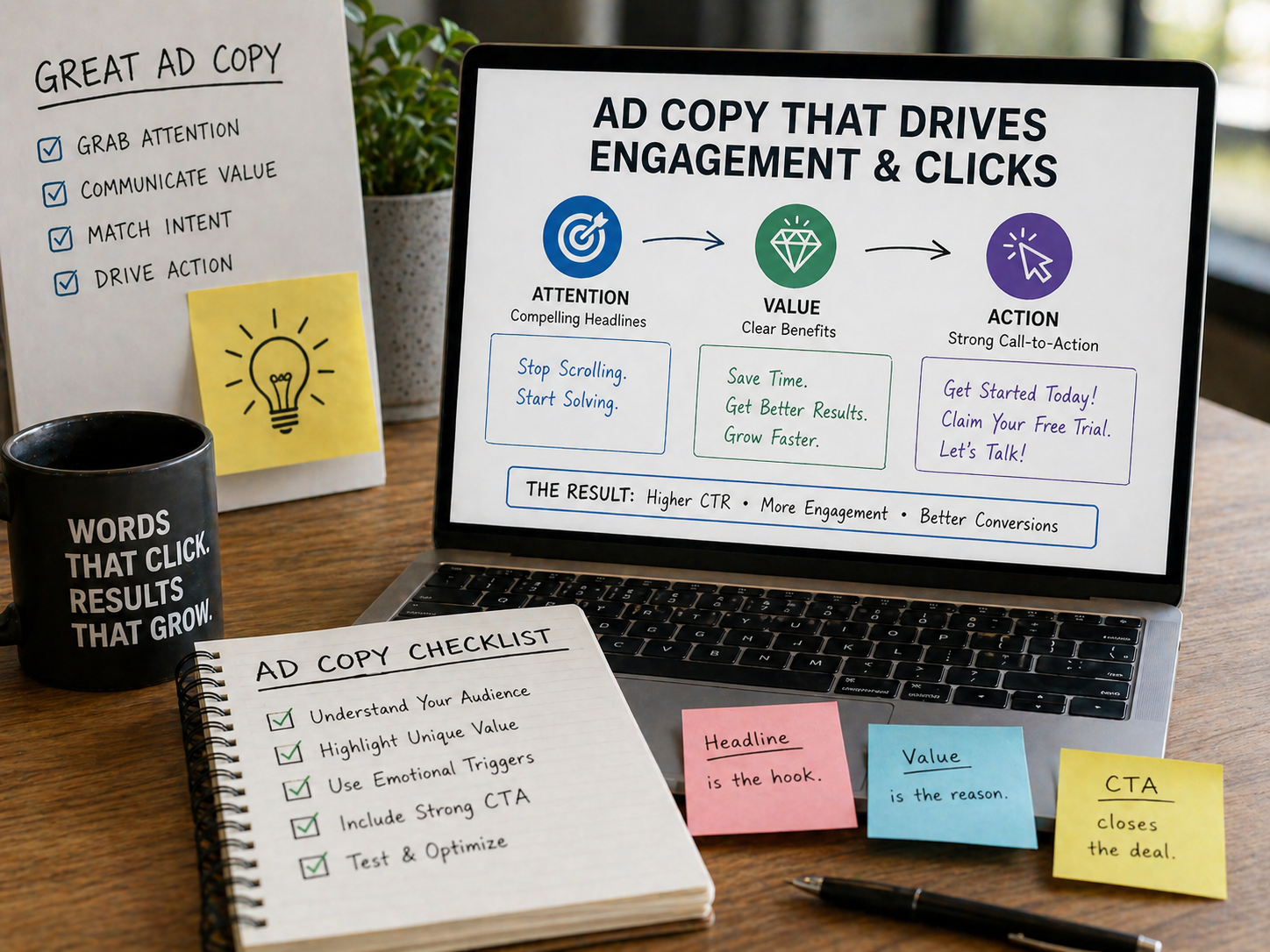
- Start with a hook: Capture attention in the first few words.
- Include a benefit: Tell users what’s in it for them.
- Use action-oriented language: Phrases like “get started,” “find out,” or “save now” encourage clicks.
- Maintain clarity: Avoid jargon or complex phrasing that confuses readers.
A strong meta description acts like a mini-ad, persuading users to choose your page over competitors.
Including Keywords Strategically
While meta descriptions don’t directly influence rankings, including keywords is still important. Keywords appear in bold in search results, making your snippet more noticeable.
Best practices for keywords:
- Use primary keywords naturally: Ensure they fit the flow of the description.
- Avoid keyword stuffing: Overloading the snippet can reduce readability and CTR.
- Include secondary keywords if relevant: Only if they enhance clarity or appeal.
- Align with page content: Meta descriptions should accurately reflect the content to avoid misleading users.
Keyword presence increases visibility and reassures searchers that your page matches their query.
Highlighting Unique Selling Points
A meta description should differentiate your page from competitors. Highlighting unique offerings or solutions encourages users to click.
Ways to emphasize value:
- Promote local relevance: Include city, neighborhood, or region for location-specific searches.
- Offer benefits or solutions: Show users what problem your page solves.
- Include social proof or authority: Phrases like “trusted by 1,000+ customers” add credibility.
- Mention time-sensitive offers: Limited-time promotions can create urgency.
By showing clear benefits and standing out, your meta descriptions become a reason for users to click.
Optimizing for Mobile Users
More than half of all searches happen on mobile devices. Meta descriptions must be mobile-friendly, concise, and easy to read on smaller screens.
Mobile optimization tips:
- Keep descriptions under 155 characters: Prevents truncation in mobile search results.
- Front-load important information: Place key points at the beginning.
- Use readable language: Short sentences and simple words improve comprehension.
- Include call-to-action phrases: Encourage immediate clicks from mobile users.
Optimized descriptions ensure that mobile users quickly understand the value of your page and are more likely to click.
Testing and Refining Meta Descriptions
Meta descriptions should not be static. Testing different approaches can help identify what resonates most with your audience.
Testing methods:
- A/B testing: Create multiple versions and track which performs better in CTR.
- Monitor analytics: Use Google Search Console to measure clicks, impressions, and CTR by page.
- Refine messaging: Adjust language, benefits, or calls-to-action based on performance data.
- Update regularly: Refresh descriptions to reflect new offers, trends, or keywords.
Continuous optimization ensures your meta descriptions remain effective and competitive.
Avoiding Common Mistakes
Even small mistakes in meta descriptions can negatively affect CTR and user experience.
Common errors to avoid:
- Duplicate descriptions across pages: Each page should have a unique snippet.
- Overly vague descriptions: Generic summaries fail to persuade users.
- Misleading descriptions: Promising something the page doesn’t deliver increases bounce rates.
- Ignoring local relevance: Neglecting location in local SEO pages reduces click potential.
Avoiding these mistakes ensures your meta descriptions work as intended and enhance your overall SEO strategy.
Using Meta Descriptions in Local SEO
For local businesses, meta descriptions play a strategic role in attracting nearby customers.
Local SEO tips for meta descriptions:
- Include geographic terms naturally: Cities, neighborhoods, or regions.
- Highlight local benefits: e.g., “Same-day service in downtown Dallas.”
- Mention reviews or local trust signals: e.g., “Rated 5 stars by local customers.”
- Integrate location-focused keywords: Align with other on-page SEO elements.
By tailoring meta descriptions for local intent, you increase the chances of capturing nearby searchers ready to convert.
Turning Meta Descriptions into Click Magnets
Meta descriptions may be short, but they hold immense potential for improving CTR and driving qualified traffic. By analyzing user intent, crafting persuasive copy, including relevant keywords, emphasizing unique value, optimizing for mobile, testing variations, avoiding common pitfalls, and leveraging local relevance, you can create snippets that encourage clicks and deliver results.
For businesses looking to maximize their local search presence,
GetPhound can help. Our team specializes in creating SEO-optimized meta descriptions that resonate with your audience, enhance your visibility in search results, and drive more clicks and conversions. We combine data-driven strategies with compelling copywriting to ensure every page of your website makes the best first impression possible.