How to use internal linking to improve local SEO performance
When visitors land on your website, their journey shouldn’t feel like a maze. Every page should guide them naturally to the information or service they’re looking for—especially when it comes to local searches. Internal linking isn’t just a technical SEO tactic; it’s the digital equivalent of holding someone’s hand and leading them exactly where they need to go.
For local businesses, the right internal linking strategy can make your site more discoverable to search engines, connect location pages with relevant services, and turn casual browsers into customers. It’s about creating a roadmap that benefits both people and algorithms. Done right, internal linking doesn’t just improve rankings—it enhances the way your website communicates your value, location by location.
Understanding Internal Linking
Internal linking refers to the practice of linking one page on your website to another. Unlike external links, which point to outside domains, internal links create a roadmap for both users and search engines, helping them navigate your content.
Key benefits include:
- Improved crawlability: Search engine bots can discover and index pages more efficiently.
- Distribution of authority: Passes link equity from high-value pages to others that need ranking support.
- Enhanced user experience: Guides visitors to relevant content and keeps them engaged.
- Reinforced topical relevance: Highlights your expertise on specific subjects, including local services.
In the context of local SEO, internal linking ensures that location pages, service pages, and blogs are connected logically, allowing Google to understand your geographic focus and service hierarchy.
How Internal Linking Affects Local SEO
Internal linking directly influences local SEO by helping search engines understand the structure of your site and the relationships between pages. For example, linking your homepage or main service pages to individual location pages signals their importance.
Local SEO benefits include:
- Highlighting location-specific content: Pages optimized for specific cities or neighborhoods receive more authority.
- Improving rankings for “near me” searches: Proper internal linking helps Google identify which pages are most relevant for local intent.
- Encouraging engagement: Visitors can quickly navigate to service areas, blogs, or contact pages, reducing bounce rates.
- Facilitating map pack inclusion: Linking local content properly supports Google’s ability to rank pages in local map results.
Effectively, internal linking creates a network that directs both users and search engines to your most important location-specific content.
Mapping Your Website Structure
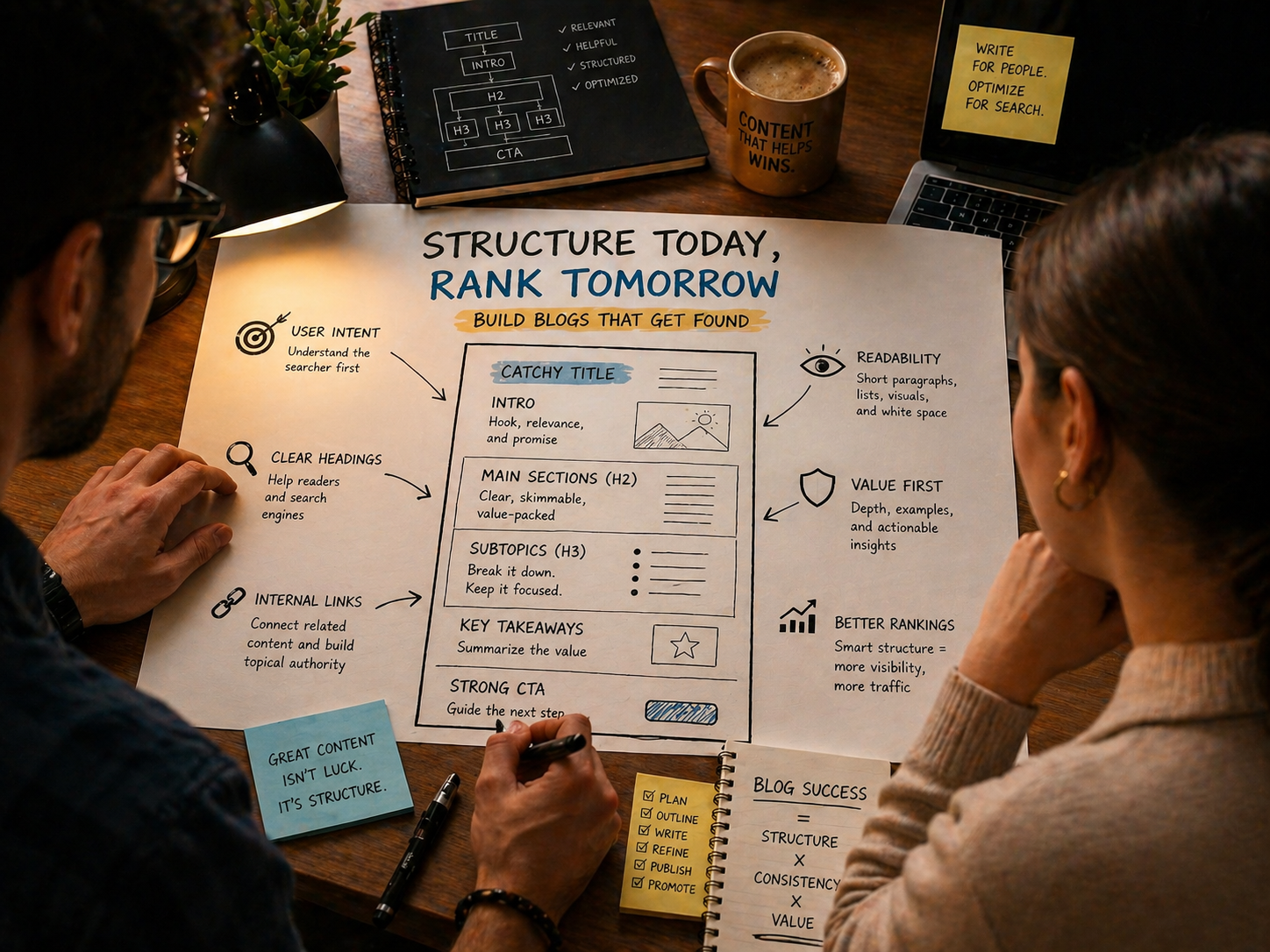
Before adding internal links, it’s important to have a clear website hierarchy. A well-structured site is easier to navigate and more effective for local SEO.
Steps for mapping your website structure:
- Identify main categories: Typically your homepage, services, locations, and blog.
- Create subcategories: For example, individual service or location pages under their main category.
- Plan linking paths: Ensure high-value pages link to location and service pages.
- Maintain a logical flow: Avoid orphaned pages (pages with no internal links pointing to them).
A thoughtful structure ensures internal links distribute authority effectively and helps both users and search engines find important content.
Identifying Key Pages for Internal Links
Not all pages should receive equal internal linking attention. Prioritize pages that are crucial for your local SEO strategy.
Examples include:
- Location pages: One for each city, neighborhood, or service area.
- Service pages: Highlight primary offerings like plumbing, landscaping, or legal services.
- High-performing blogs: Blog posts that already attract traffic or links.
- Conversion pages: Contact, booking, or quote request pages.
By focusing on these key pages, internal linking ensures that authority flows where it matters most, boosting rankings for relevant local searches.
Using Anchor Text Strategically
Anchor text—the clickable text of a link—is critical for signaling context to search engines. Using descriptive, relevant anchor text improves both SEO and user experience.
Best practices:
- Include local keywords: e.g., “emergency plumbing in Midtown Atlanta.”
- Be natural and readable: Avoid stuffing keywords into every link.
- Vary anchor text: Use different phrases to avoid over-optimization penalties.
- Link contextually: Place links within relevant sentences rather than in footers or sidebars only.
Strategic anchor text helps search engines understand the relevance of the linked page while guiding users to the information they are seeking.
Linking to Location Pages
For multi-location businesses, linking to location-specific pages is essential. Proper linking tells search engines which pages to prioritize for local queries.
Tips for effective location linking:
- Use homepage and main service pages: Link to each location from prominent pages.
- Create a location directory: A page listing all locations with links to individual pages.
- Contextual links within blog content: Mention locations naturally within blog posts and link to corresponding pages.
- Use footer links sparingly: Only for secondary navigation, not primary authority distribution.
By consistently linking to location pages, your website signals relevance for geographic searches, boosting your local search visibility.
Leveraging Blog Posts for Internal Linking
Blogs are a powerful tool for distributing link equity and connecting users to important pages. Each post can link to services, locations, and other related content.
Best practices:
- Link to relevant location pages: Mention the city or neighborhood naturally within the blog.
- Include related service links: Highlight specific offerings mentioned in the blog.
- Update old posts: Add new links to recently created pages to maintain SEO value.
- Use call-to-action links: Encourage readers to book services or learn more about locations.
Blogs serve as content hubs, reinforcing your site’s structure and enhancing local SEO by connecting content to transactional and location pages.
Monitoring and Auditing Internal Links
Regular audits ensure your internal linking strategy remains effective. Over time, links can become broken, outdated, or misdirected, reducing SEO value.
Steps for auditing:
- Use tools like Screaming Frog or Ahrefs: Identify broken links and orphaned pages.
- Check anchor text diversity: Ensure variation across pages.
- Evaluate link distribution: Confirm authority flows to priority pages.
- Update old content: Add links to new location or service pages as needed.
Monitoring internal links prevents SEO decay, improves user experience, and keeps your site optimized for local search performance.
Best Practices for Internal Linking
To maximize the impact of internal linking for local SEO, follow these best practices:
- Link relevant content only: Avoid irrelevant links that confuse users and dilute authority.
- Prioritize high-value pages: Focus on pages that drive conversions or support local SEO objectives.
- Maintain logical hierarchy: Ensure links reflect your site structure and page importance.
- Avoid over-linking: Too many links per page can appear spammy to search engines.
- Use descriptive anchor text: Clearly indicate the content users will find when clicking.
Following these principles ensures that internal linking remains a strategic, user-friendly, and SEO-driven element of your site.
Boosting Local SEO with Internal Linking
Internal linking is one of the most underutilized yet effective strategies for improving local SEO performance. By mapping your site structure, prioritizing key pages, using strategic anchor text, linking to location and service pages, leveraging blogs, and regularly auditing links, businesses can create a web of authority that benefits both users and search engines.
When implemented thoughtfully, internal linking not only enhances rankings but also improves user navigation, engagement, and conversions, making your website a more powerful tool for attracting local customers and growing your business. Work with
GetPhound and know more about internal linking.