What are the most important local ranking factors?
The most important local ranking factors shape how businesses appear in Google’s local search results and map packs. These ranking signals determine which local businesses are featured most prominently when users search for nearby services, products, or venues. Below is a detailed, comprehensive guide to the
top local SEO ranking factors, how they interact, and what businesses should prioritize to achieve higher visibility and conversions.
Three Pillars of Local Ranking: Relevance, Proximity, and Prominence
The Google local algorithm is built on three primary pillars: relevance, proximity, and prominence. Relevance measures how well a business listing matches a searcher’s intent, proximity calculates physical distance between the user and the business, and prominence evaluates how well-known or reputable the business is on and offline. These factors work together to present users with results that are helpful, nearby, and trustworthy, giving businesses clear direction on where to focus their efforts.
Google Business Profile (GBP) Optimization
Optimizing your Google Business Profile is the foundation of local SEO success. Businesses must verify their listing, complete every section—such as business description, categories, hours, and service offerings—and consistently update it with new photos, promotional posts, and accurate contact information.
GBP optimization signals both relevance and prominence, and features like Q&A, messaging, and rapid review responses further demonstrate activity and reliability to Google and potential customers.
Optimizing a Google Business Profile (GBP) is a multifaceted process that dramatically influences local visibility, search rankings, and conversions. Start by claiming and verifying your GBP, ensuring your business name matches real-world signage and documentation—avoid keyword stuffing or adding descriptors, as Google’s AI actively penalizes these practices in 2025. Fill out all primary fields: include an accurate address, phone number, business hours (including special holiday hours), service areas, and a direct website link. Use the “business description” section strategically: craft clear, concise, and engaging content (up to 750 characters) that showcases what sets the business apart, incorporates relevant local keywords naturally, and speaks directly to your target audience. Mention neighborhoods, recognizable landmarks, and hyperlocal terms to boost relevance for both searchers and Google.
Choosing the correct primary and secondary categories is essential—these help Google understand your core offerings and surface your profile for relevant searches. Avoid unrelated categories, but include additional ones that accurately reflect all services and products. Populate the products and services section thoroughly: provide detail, pricing, and value-driven descriptions for each offering, which can help capture more niche searches and boost user engagement. Emphasize attributes such as minority- or woman-owned status, health and safety protocols, payment options, and accessibility; these can unlock unique features on your profile and influence local consumer choice.
Regular engagement is a GBP must. Add high-quality photos of your team, products, services, and premises regularly—businesses with robust photo galleries drive more calls, direction requests, and visits. Use Videos to give virtual tours or share quick tips on services. Respond promptly, professionally, and personally to every review; promote positive experiences and address concerns to both foster trust and increase profile activity. Leverage Google Posts weekly to share news, offers, or events; this keeps your profile fresh and signals activeness to Google. Finally, monitor your profile insights and analytics to see which tactics generate traffic and conversions, then refine your strategy accordingly to maximize local impact.
NAP Consistency and Local Citations
NAP consistency refers to ensuring that the business’s name, address, and phone number appear identically across all online platforms, directories, and listings. Local citations—mentions of your business’s contact details on external sites—reinforce trust and relevance in Google’s algorithm. Inconsistent or outdated information can confuse both users and search engines, reducing trust and resulting in lower rankings. Routine citation audits are essential to maintain and improve local search visibility.
Proximity and Service Area Optimization
Physical distance between the searcher and the business location plays a crucial role in local rankings. Optimizing your website and GBP for the most accurate address, clearly defined service areas, and location-specific landing pages can help dominate “near me” and city-based queries. Including hyperlocal content, using structured data, and optimizing for multiple neighborhoods or towns in your service area boost signals of proximity—essential for brick-and-mortar and service-based businesses alike.
Review Volume, Quality, and Recency
Reviews have become a central ranking factor in local SEO, reflecting both prominence and trustworthiness. Google’s algorithm considers the quantity, quality (star ratings and sentiment), and even the recency and frequency of reviews on both Google and third-party platforms. Promptly responding to reviews—positive and negative—demonstrates engagement and customer care, which can further enhance rankings and reputation. Encouraging satisfied customers to leave reviews and handling negative feedback professionally is essential for ongoing local success.
Local Content and Hyperlocal Optimization
Creating content that is tailored to local audiences, events, and trends boosts relevance in Google’s algorithm. This includes publishing location-specific blog posts, pages for local services, guides to local attractions, and news about community involvement. Hyperlocal optimization goes beyond city-level targeting, focusing content and metadata on specific neighborhoods, districts, or landmarks to attract highly-targeted searchers and encourage local engagement.
Local Backlinks and Authority Building
Just as with standard SEO, backlinks remain vital—but in local SEO, links from other reputable local websites, organizations, news outlets, and industry directories carry particular weight. Building a portfolio of high-quality, locally relevant backlinks signals prominence, authority, and trustworthiness to Google. Partnering with community organizations, supporting local events, and joining local business associations can produce both valuable links and real-world business benefits.
On-Page SEO and Website Optimization
A strong local SEO strategy is complemented by best practices in on-page SEO: optimizing page titles and meta descriptions with location keywords, ensuring fast mobile performance, using structured data like Schema markup for location details, and maintaining intuitive navigation. Google also assesses website quality, usability, and the presence of robust local content, making technical optimization a necessity alongside listing management.
User Experience (UX) and Engagement Signals
Modern local algorithms increasingly consider behavioral signals such as click-through rates, dwell time, engagement with your GBP, and actions like calls, direction requests, or chats directly from listings. A seamless, fast, and mobile-optimized website that converts visitors into leads proves user satisfaction to Google and can lead to elevated rankings in competitive local searches.
Behavioral and AI-Driven Ranking Signals
Behavioral data—how users interact with local listings and websites—now feeds back into Google’s AI-driven local algorithm. Frequent updates to your GBP, regular content posting, responses to reviews and Q&A, and diverse media (photos, videos) can all boost engagement, which Google reads as a sign of an active, trustworthy business. Adapting quickly to new AI-based search features, like AI Overviews, is increasingly important as local search continues to evolve.
Mobile-First Technical Performance
With most local searches performed on mobile devices, mobile-first design, fast page load speed, clear navigation, and easy conversions (click-to-call, map integration) are direct ranking signals. Websites and listings that work seamlessly on mobile devices deliver positive user experiences, which Google recognizes and rewards with higher local rankings.
Frequently Asked Questions
How important is Google Business Profile compared to other local ranking factors?
Google Business Profile is often considered the single most critical local SEO ranking factor, acting as the primary data source for maps and local pack results. Optimization, regular updates, and review management on GBP have a direct, significant impact on rankings.
Why do online reviews affect local rankings so much?
Reviews serve as both a reputation signal and a measure of business prominence. Google values review quantity, quality, and recency because they reflect real customer experiences and can sway local searchers’ decisions.
Is NAP consistency necessary even if the website is well-optimized?
Yes. Search engines cross-check NAP details across the web to verify a business’s legitimacy. Inconsistent NAP data may lead to confusion, lower trust from Google, and poorer local ranking—even if the main website is well-optimized.
How can small businesses compete with chains in local search?
By maximizing hyperlocal relevance—through targeted content, community engagement, and high-quality local backlinks—small businesses can build trust and prominence that large chains may lack at the neighborhood level.
What’s the best way to track progress in local SEO?
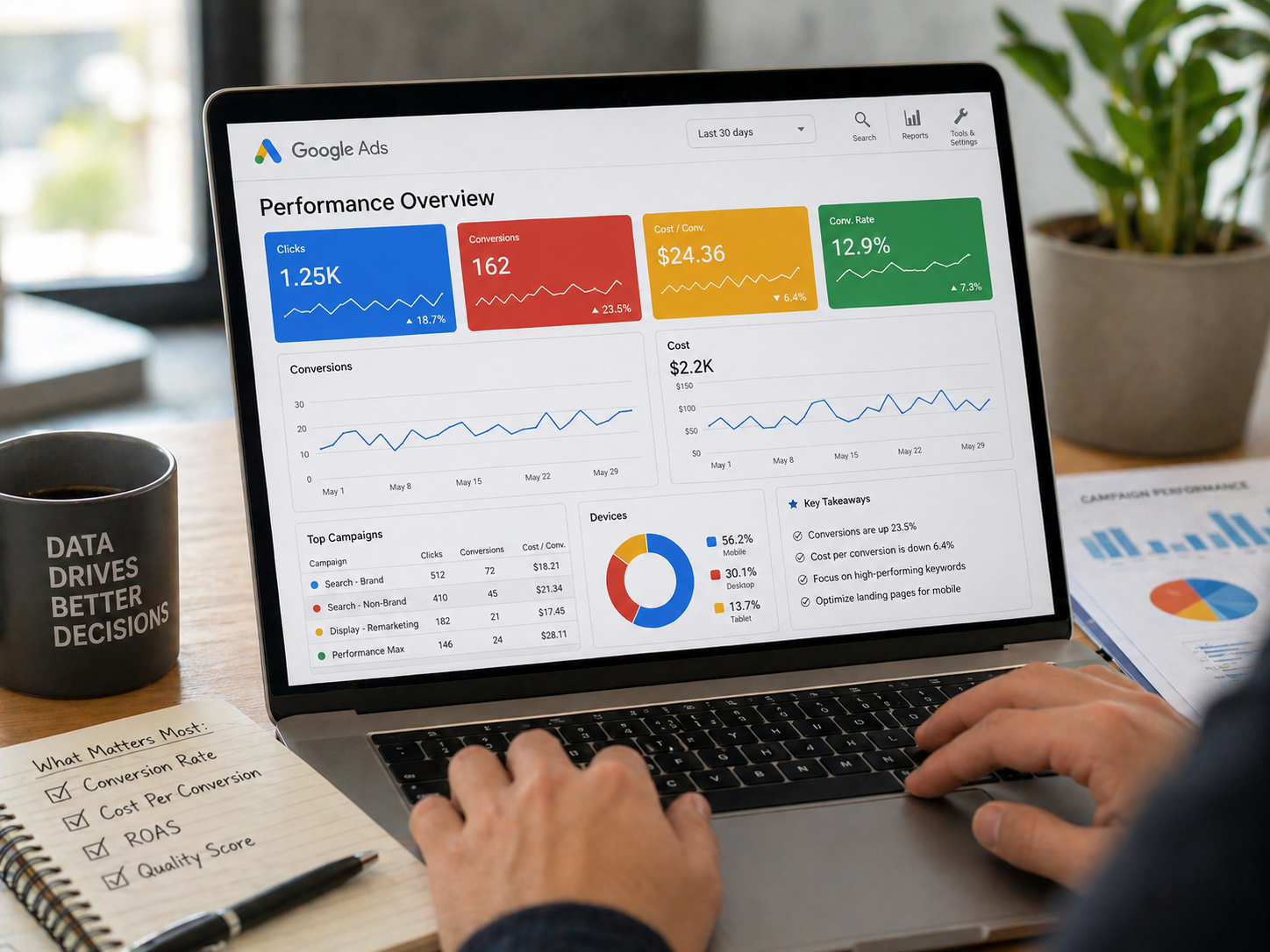
Combine Google Business Profile Insights, Google Analytics, call and direction tracking, and periodic searches for your target terms to monitor ranking changes, engagement signals, and real-world leads generated by local SEO efforts.
By focusing on these essential ranking factors and actively engaging with the local community, businesses can dramatically increase their local search visibility, customer engagement, and long-term growth in an increasingly competitive landscape.