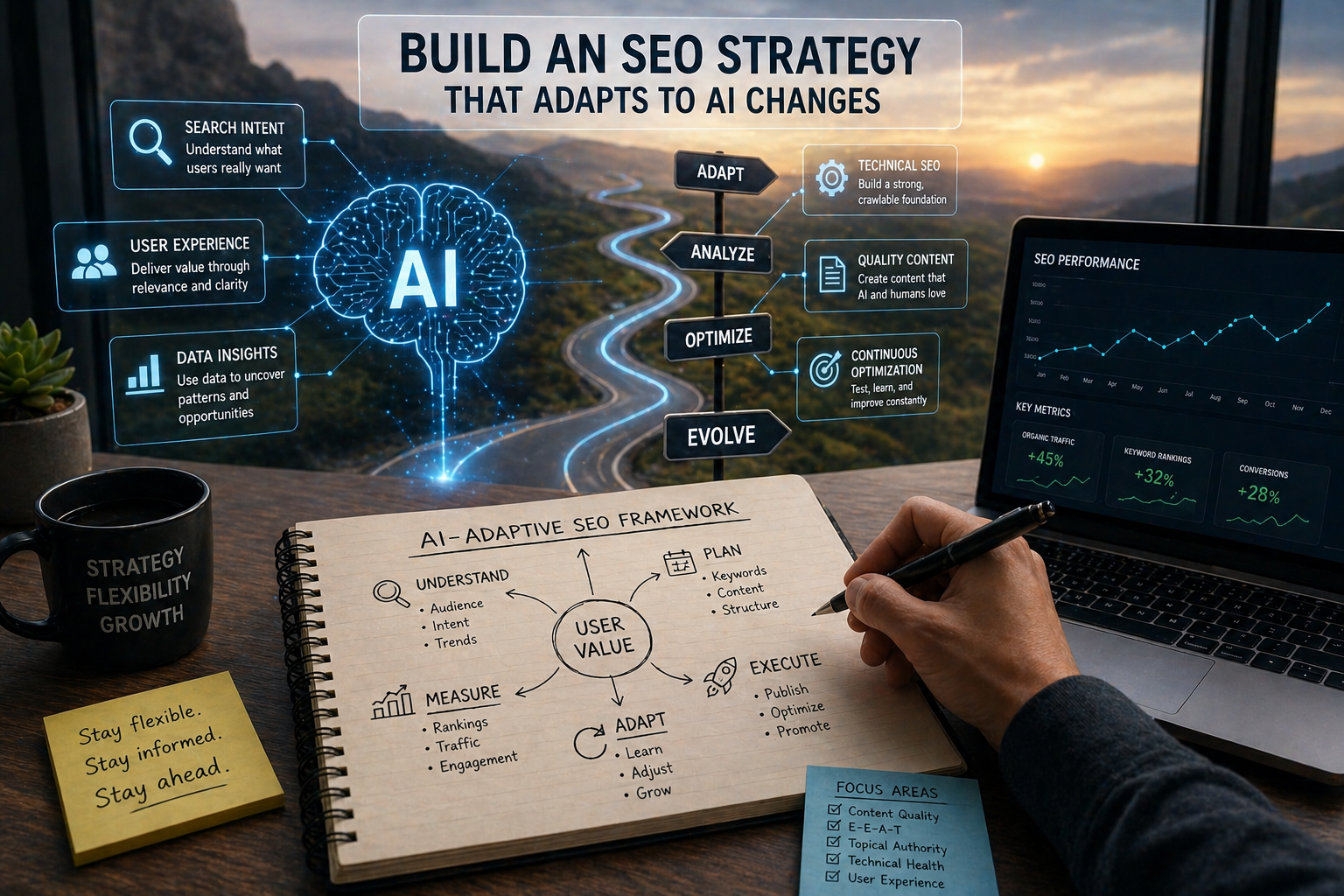
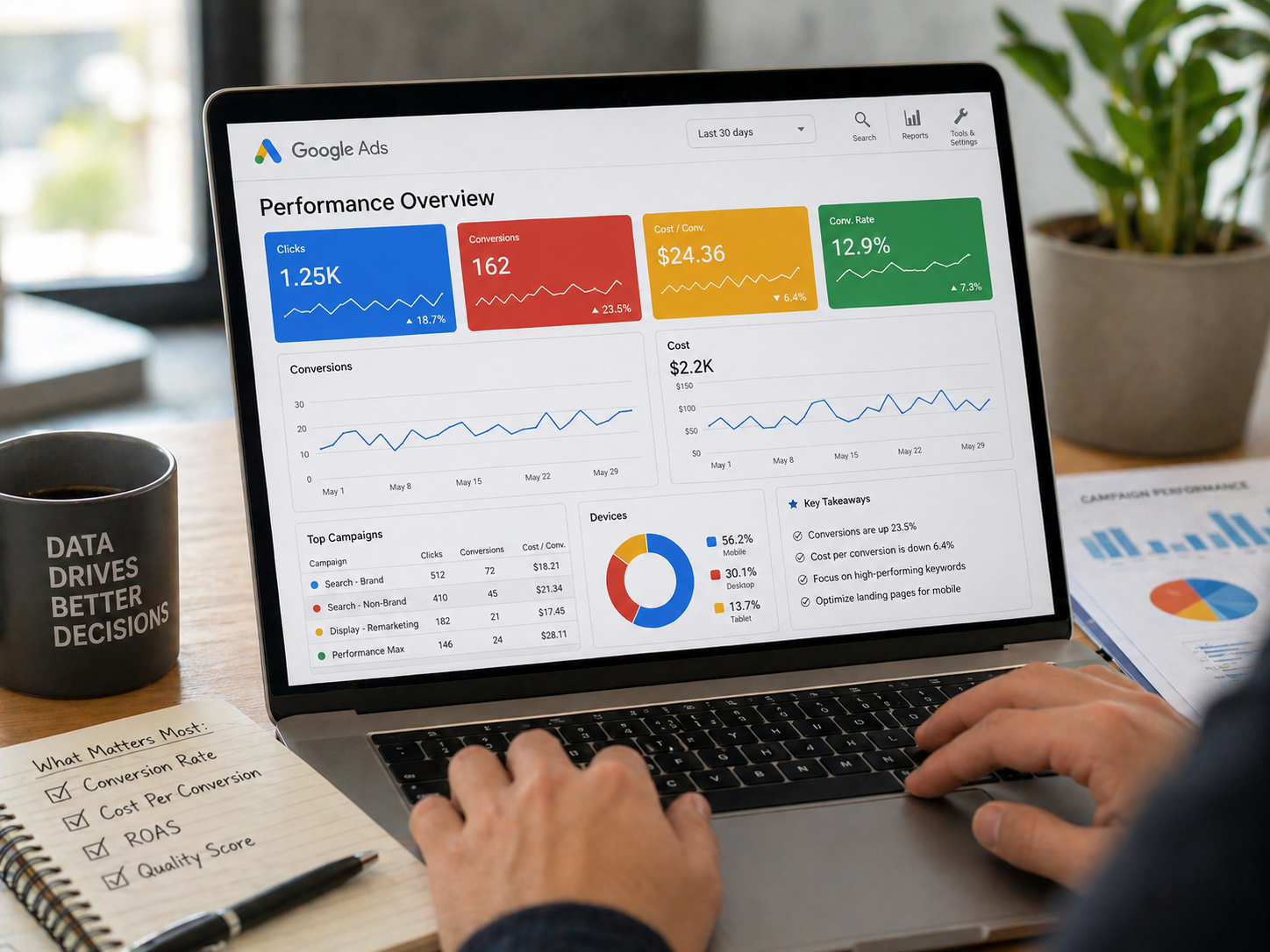
SEO Forecasting: How to Predict Traffic and Revenue Growth
Most SEO strategies operate in hindsight—analyzing what already happened rather than predicting what’s coming next. But the businesses that win in competitive markets don’t just react; they plan with precision. SEO forecasting is the bridge between effort and expectation, allowing you to estimate how traffic, leads, and revenue will grow over time. Instead of guessing outcomes, you build a roadmap backed by data. A strong organic SEO strategy becomes far more powerful when you can confidently project its impact on your business.
What SEO Forecasting Really Means
SEO forecasting is the process of predicting future performance based on current data, trends, and strategy execution. It helps answer key questions:
- How much traffic can we expect?
- How many leads will that generate?
- What revenue can we project?
Forecasting transforms SEO from a vague investment into a measurable growth strategy.
Why Forecasting Is Critical for Business Decisions
Without forecasting, SEO decisions are often based on assumptions rather than data. Forecasting provides clarity and helps businesses:
- Set realistic expectations
- Allocate resources effectively
- Measure ROI accurately
It also aligns SEO efforts with broader business goals.
This aligns with core Search Engine Optimization principles, where strategy and measurement go hand in hand.
Understanding the Key Metrics in SEO Forecasting
Accurate forecasting relies on key metrics:
- Search volume
- Click-through rate (CTR)
- Conversion rate
- Revenue per conversion
Each metric plays a role in predicting outcomes.
| Metric | Purpose |
|---|---|
| Search Volume | Potential traffic |
| CTR | Expected clicks |
| Conversion Rate | Leads or sales |
| Revenue | Financial impact |
How to Estimate Traffic Growth
Traffic forecasting starts with understanding keyword potential and ranking improvements.
- Identify target keywords
- Estimate ranking positions
- Apply CTR models
This provides a realistic estimate of future traffic.
Predicting Conversions and Leads
Traffic alone doesn’t determine success—conversions do. To forecast leads:
- Apply conversion rates to traffic estimates
- Adjust based on intent
- Consider user behavior
Higher intent traffic leads to better conversion rates.
Forecasting Revenue From SEO
Revenue forecasting combines traffic and conversion data:
- Traffic × Conversion Rate × Revenue per Conversion
This formula provides a clear picture of potential earnings.
The Role of Keyword Intent in Forecasting
Not all traffic is equal. High-intent keywords drive more conversions and revenue.
- Transactional keywords → higher revenue
- Informational keywords → lower immediate value
Understanding intent improves forecasting accuracy.
Using Local SEO Data for Accurate Predictions
Local businesses can refine forecasts by focusing on location-based data.
This makes local SEO a critical factor in predicting performance.
- Analyze local search volume
- Track map rankings
- Measure local conversions
Local data provides more precise insights.
Adjusting Forecasts Based on Competition
Competition affects how quickly and effectively you can rank.
- High competition → slower growth
- Low competition → faster results
Adjusting forecasts based on competition ensures realistic expectations.
Tracking Performance and Refining Forecasts
Forecasts are not static—they must be updated regularly.
- Compare predictions with actual results
- Adjust assumptions
- Refine strategies
Continuous refinement improves accuracy over time.
Common Mistakes in SEO Forecasting
Common mistakes include:
- Overestimating traffic
- Ignoring conversion rates
- Failing to account for competition
Avoiding these mistakes leads to better predictions.
Building a Data-Driven SEO Forecasting Model
A strong model includes:
- Accurate data inputs
- Realistic assumptions
- Continuous updates
Data-driven models provide reliable insights.
Final Thoughts on SEO Forecasting
SEO forecasting transforms your strategy from reactive to proactive. It allows businesses to plan, measure, and grow with confidence.
By understanding key metrics, aligning with intent, and refining predictions, businesses can unlock the full potential of SEO.
Platforms like GetPhound help businesses build forecasting models that drive predictable growth and long-term success.