How to Turn Website Traffic Into Qualified Local Leads
Most businesses don’t have a traffic problem—they have a conversion problem. You can rank at the top of search results, attract thousands of visitors, and still struggle to generate revenue. That’s because visibility and performance are two different things. Search engine visibility gets people to your site, but what happens next determines whether your SEO efforts actually pay off. This is where the balance between SEO and conversion rate optimization (CRO) becomes critical. A strong organic SEO strategy brings users in, but CRO ensures those users take action. Without both, you’re either invisible or ineffective.
Understanding the Core Difference Between SEO and CRO
SEO and CRO serve different purposes, but they are deeply interconnected. SEO focuses on increasing visibility in search engines, while CRO focuses on improving the percentage of visitors who complete a desired action.
| SEO | CRO |
|---|---|
| Drives traffic | Converts traffic |
| Focuses on rankings | Focuses on user behavior |
| Attracts visitors | Generates revenue |
Both are essential. SEO without CRO leads to wasted traffic, while CRO without SEO limits growth potential.
Why SEO Alone Is Not Enough
Ranking high on Google is valuable, but it doesn’t guarantee success. Many businesses invest heavily in SEO, only to see minimal returns.
- Visitors leave without taking action
- Landing pages lack clarity
- Calls-to-action are weak or unclear
This highlights a critical issue: traffic does not equal revenue. Without a strategy to convert visitors, SEO efforts fall short.
This is why understanding Search Engine Optimization in the context of business outcomes—not just rankings—is essential.
How CRO Turns Traffic Into Revenue
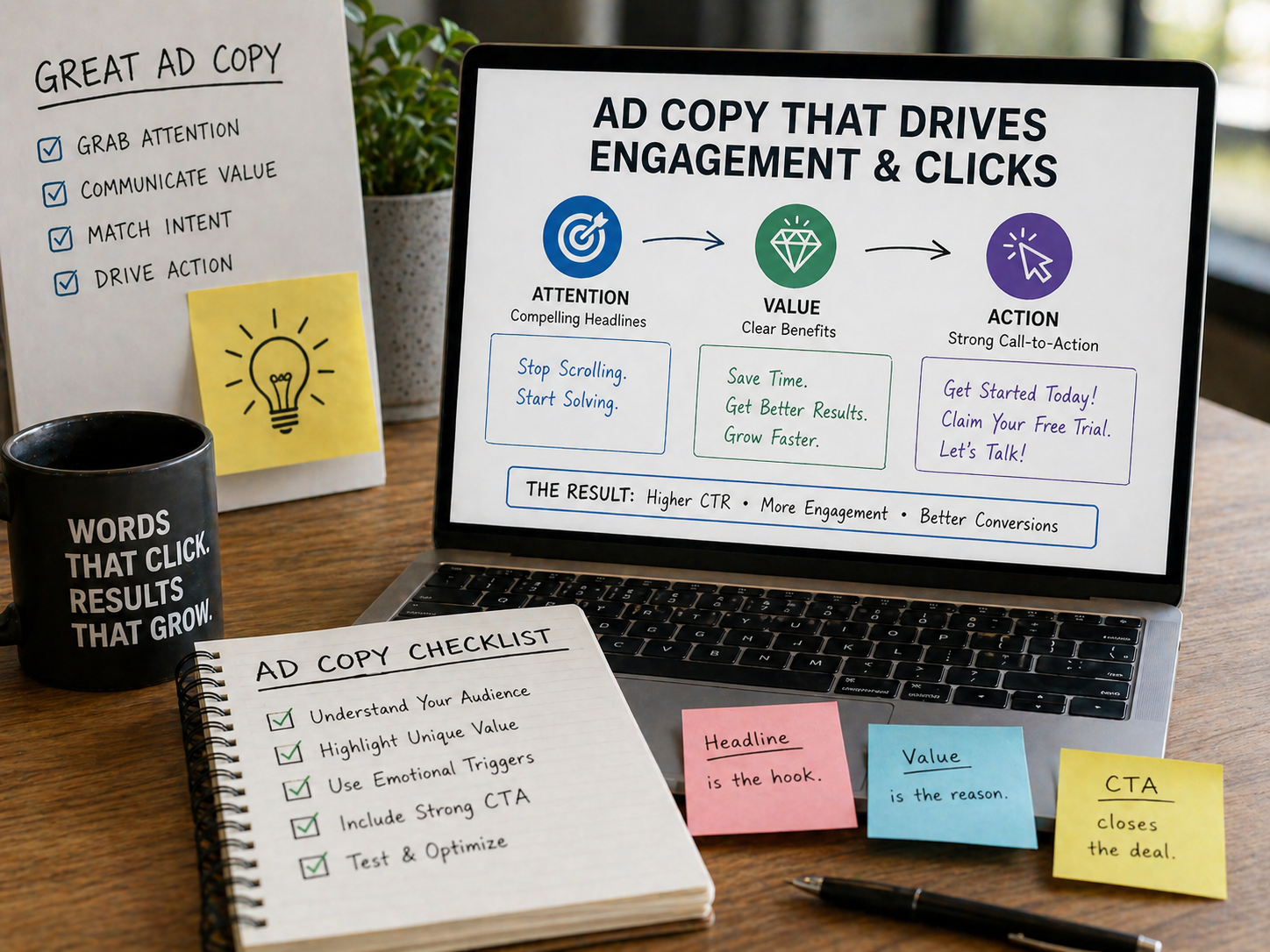
CRO focuses on optimizing the user journey to increase conversions. This includes improving design, messaging, and user experience.
Key CRO elements include:
- Clear and compelling calls-to-action
- Trust signals such as reviews and testimonials
- Streamlined navigation
- Fast loading times
Even small improvements can have a significant impact on revenue. For example, increasing your conversion rate from 2% to 4% effectively doubles your revenue without increasing traffic.
The Role of User Intent in SEO and CRO
User intent connects SEO and CRO. SEO brings users based on what they’re searching for, while CRO ensures their expectations are met.
If your content aligns with intent, users are more likely to convert.
- Informational intent → educational content
- Transactional intent → service or product pages
- Local intent → location-specific pages
Aligning content with intent improves both rankings and conversions.
Why Local SEO Needs CRO to Succeed
Local businesses often rely on immediate conversions. Users searching for local services are typically ready to take action.
This makes local SEO highly valuable, but it must be paired with strong CRO.
- Clear contact information
- Easy booking or inquiry forms
- Strong local trust signals
Without CRO, local traffic may not translate into leads or sales.
Design and UX: Where CRO Makes the Biggest Impact
User experience (UX) is a major factor in conversions. A well-designed website keeps users engaged and encourages action.
- Mobile-friendly design
- Fast loading speeds
- Clear navigation
Poor design can drive visitors away, regardless of how strong your SEO is.
Content That Balances SEO and CRO
Content should serve two purposes: attract traffic and convert visitors.
- Use keywords naturally
- Provide valuable information
- Include strong CTAs
Balancing SEO and CRO ensures that your content performs at every stage of the user journey.
Measuring Success: Metrics That Matter
To evaluate performance, businesses must track both SEO and CRO metrics:
- Organic traffic
- Conversion rate
- Bounce rate
- Revenue per visitor
These metrics provide a complete picture of your strategy’s effectiveness.
Common Mistakes Businesses Make
Many businesses fail to integrate SEO and CRO effectively.
- Focusing only on traffic
- Ignoring user experience
- Lack of clear CTAs
Avoiding these mistakes can significantly improve results.
Building a Strategy That Combines SEO and CRO
To succeed, businesses must create a unified strategy that integrates both SEO and CRO.
- Align content with user intent
- Optimize landing pages for conversions
- Continuously test and improve
This approach ensures long-term growth and profitability.
The Future of SEO and CRO Working Together
As search evolves, the integration of SEO and CRO will become even more important. AI-driven search and changing user behavior require a more holistic approach.
Businesses that adapt will gain a competitive advantage.
Final Thoughts on SEO and CRO Integration
SEO and CRO are not competing strategies—they are complementary. Together, they create a system that drives both visibility and revenue.
By focusing on both attracting and converting users, businesses can maximize their digital performance and achieve sustainable growth.
Platforms like GetPhound help businesses bridge the gap between traffic and conversions, ensuring long-term success in an increasingly competitive landscape.