How to Build an SEO Strategy From Scratch in 2026
Starting an SEO strategy today feels very different from even a few years ago. It’s no longer about simply targeting keywords and publishing content—it’s about building a system that aligns with user intent, adapts to AI-driven search, and consistently drives business outcomes. In 2026, search engines are smarter, users are more demanding, and competition is more intense. Businesses that succeed are those that approach SEO as a long-term asset, not a short-term tactic. A well-structured organic SEO strategy is no longer optional—it’s the foundation for sustainable online growth.
Understanding the Modern SEO Landscape
SEO in 2026 is shaped by artificial intelligence, evolving user behavior, and increasingly sophisticated algorithms. Search engines now prioritize context, intent, and user experience over simple keyword matching.
Key changes include:
- AI-generated search results and summaries
- Increased importance of user engagement signals
- Greater emphasis on authority and trust
Understanding these shifts is critical for building an effective strategy.
Setting Clear Business Goals for SEO
Before diving into tactics, businesses must define what success looks like. SEO should align with broader business objectives.
- Increase revenue
- Generate leads
- Build brand awareness
Clear goals provide direction and help measure success.
This aligns with foundational Search Engine Optimization principles, where strategy drives execution.
Conducting Comprehensive Keyword Research
Keyword research remains a cornerstone of SEO, but the approach has evolved. Instead of focusing solely on volume, businesses must prioritize intent.
- High-intent keywords
- Long-tail variations
- Conversational queries
Grouping keywords into themes helps create a cohesive content strategy.
Building a Strong Content Foundation
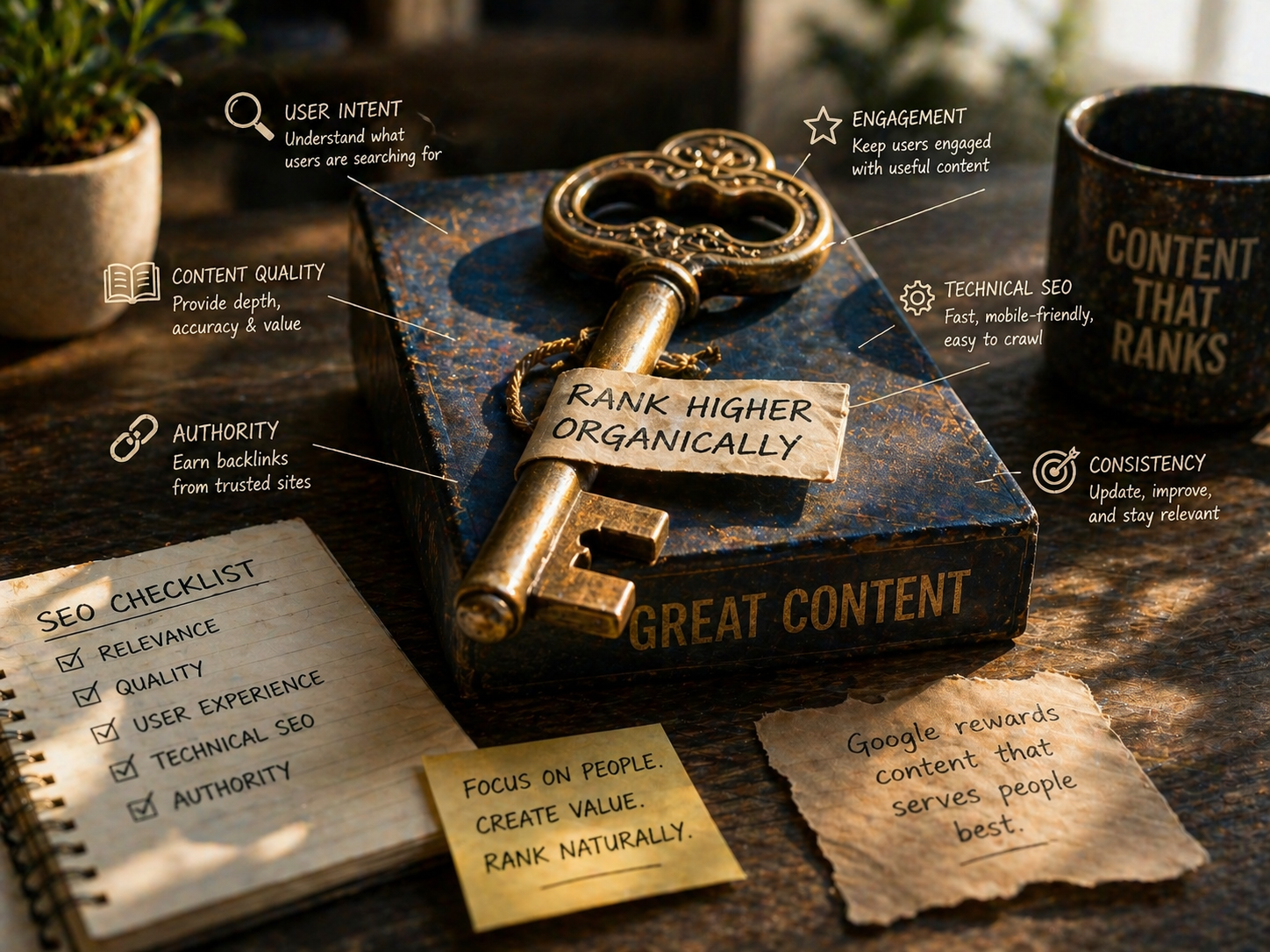
Content is the backbone of SEO. High-quality, relevant content attracts users and builds authority.
- Create comprehensive guides
- Answer user questions
- Provide actionable insights
Content should address the full spectrum of user intent.
Optimizing for Technical SEO
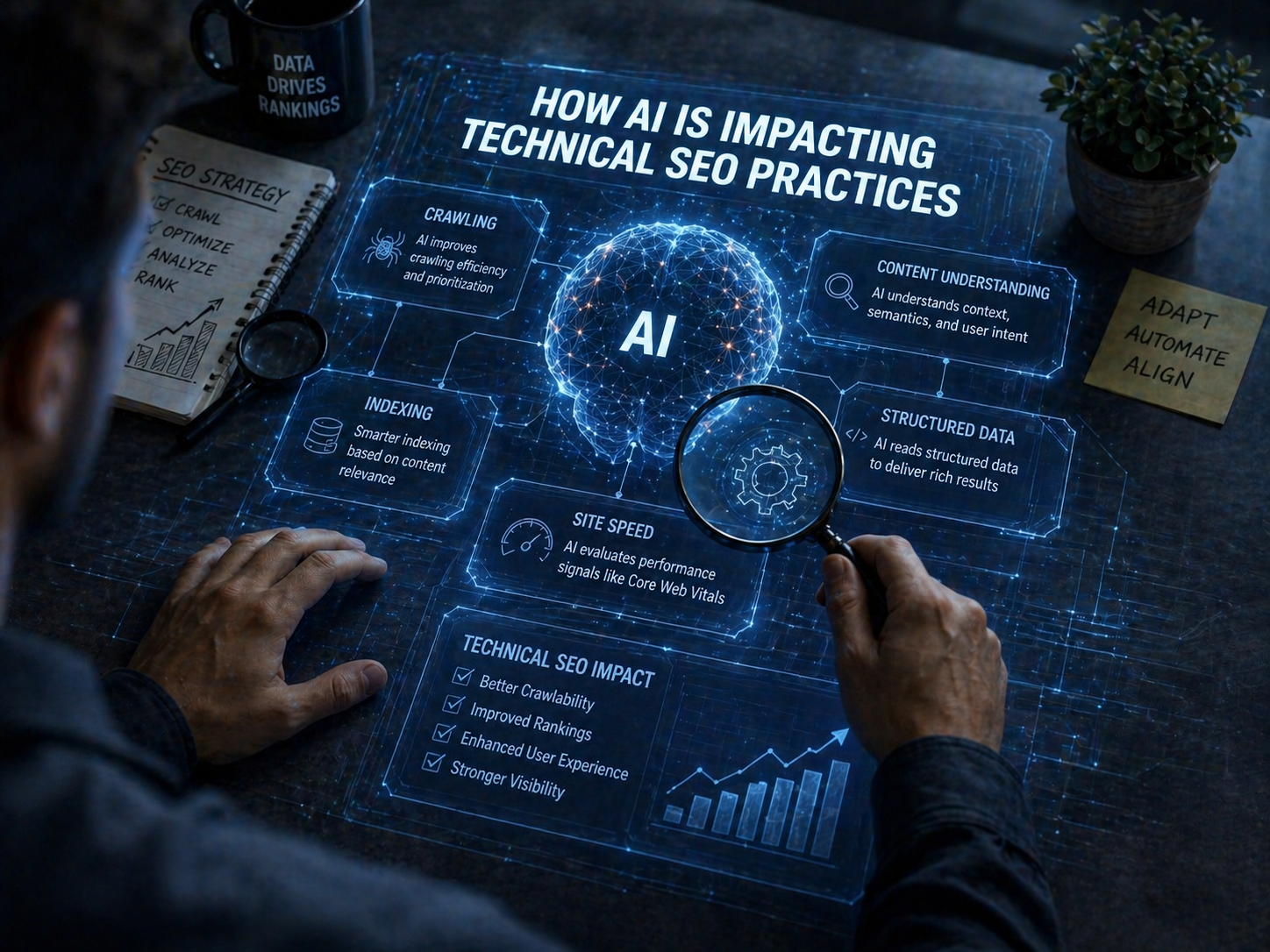
Technical SEO ensures that search engines can crawl and index your site effectively.
- Improve site speed
- Ensure mobile-friendliness
- Fix broken links
A strong technical foundation supports all other SEO efforts.
Leveraging Local SEO for Targeted Growth
Local businesses must focus on location-based strategies to attract nearby customers.
This makes local SEO essential for visibility and conversions.
- Optimize Google Business profiles
- Encourage reviews
- Use location-specific keywords
Local optimization drives high-intent traffic.
Building Authority Through Backlinks
Backlinks remain a key ranking factor. They signal credibility and authority to search engines.
- Earn links from reputable sites
- Create shareable content
- Build relationships within your industry
Quality matters more than quantity.
Enhancing User Experience for Better Rankings
User experience (UX) plays a significant role in SEO performance.
- Fast loading times
- Clear navigation
- Engaging design
A positive experience keeps users on your site longer.
Tracking Performance and Adjusting Strategy
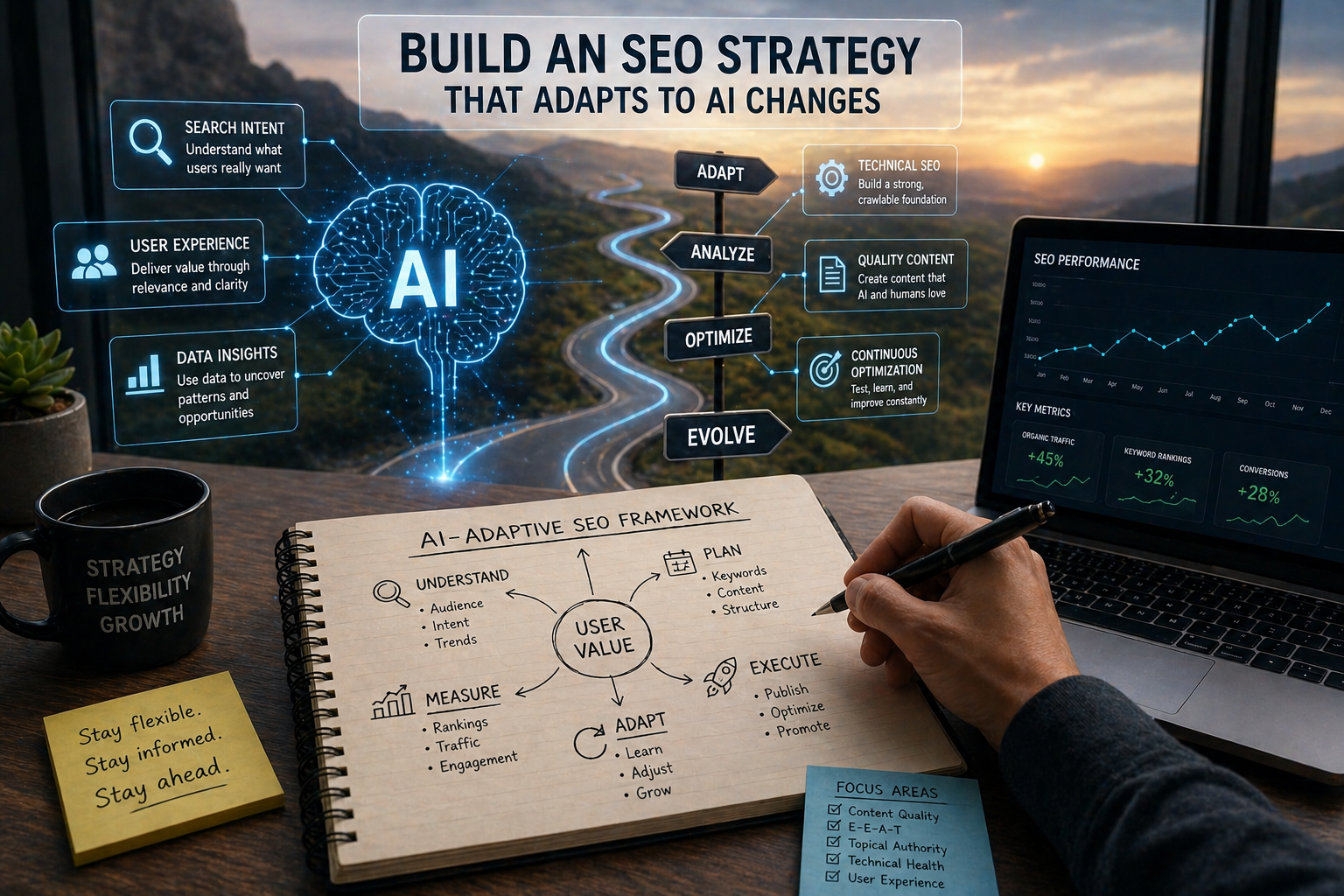
SEO is an ongoing process. Businesses must track key metrics and adjust their strategies accordingly.
- Monitor traffic and rankings
- Analyze engagement
- Refine content
Continuous optimization ensures long-term success.
Avoiding Common SEO Mistakes
Common mistakes can hinder progress:
- Ignoring user intent
- Producing low-quality content
- Neglecting technical SEO
Avoiding these pitfalls improves performance.
Building a Scalable SEO System
A scalable system ensures consistent growth:
- Standardize processes
- Use tools for automation
- Delegate tasks effectively
Scalability allows businesses to expand efficiently.
Final Thoughts on Building an SEO Strategy in 2026
Building an SEO strategy from scratch requires a holistic approach that combines technical expertise, content creation, and user experience optimization.
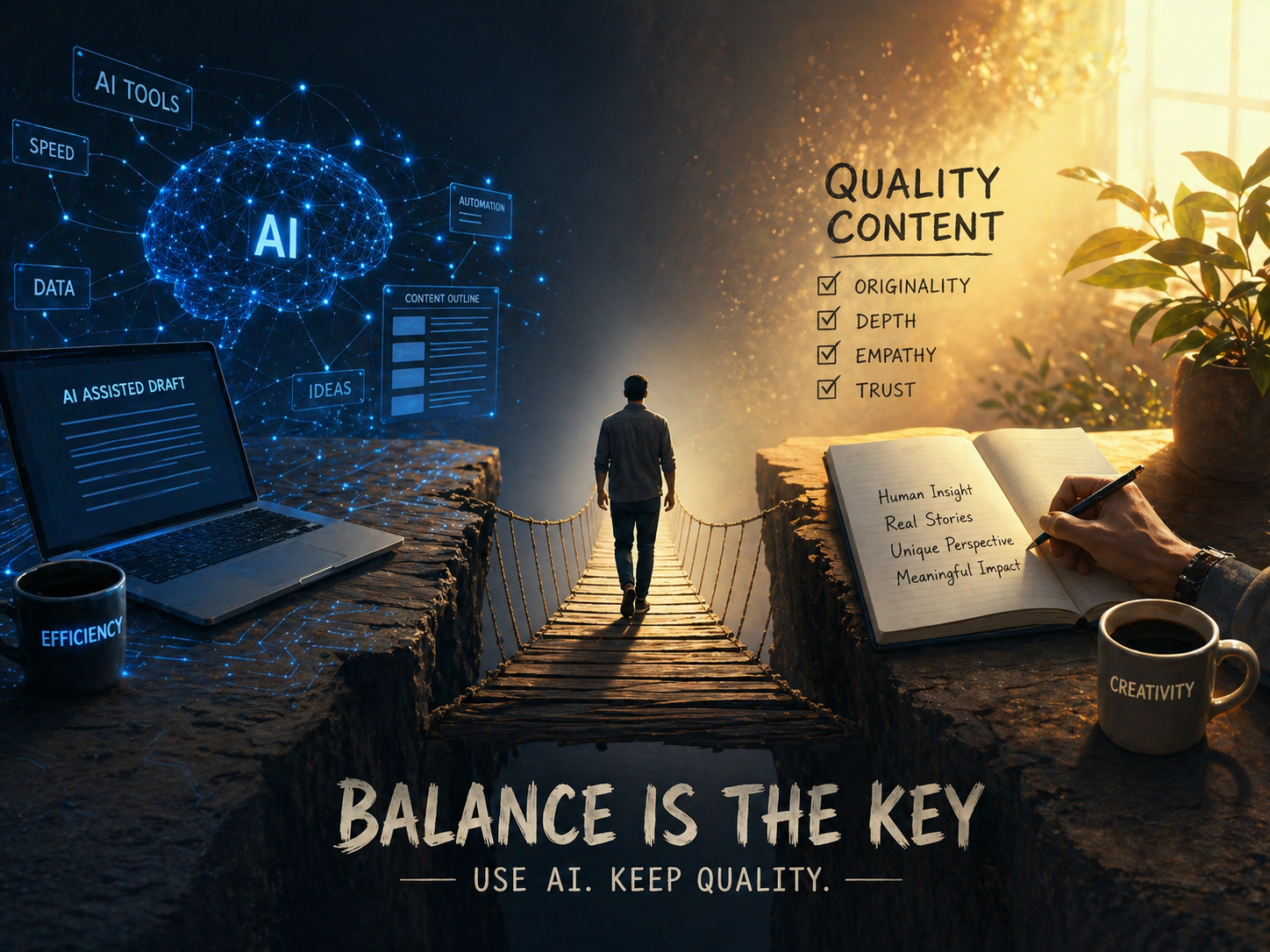
By focusing on long-term growth and adapting to changes in search behavior, businesses can create a sustainable and effective SEO strategy.
Platforms like GetPhound help businesses navigate the complexities of modern SEO, ensuring they remain competitive and successful in an ever-evolving digital landscape.