How to Build a Content Calendar That Supports Long-Term SEO Growth
Most businesses don’t struggle with ideas—they struggle with consistency. Content gets published in bursts, strategies shift without direction, and months go by without measurable progress. The problem isn’t effort; it’s the lack of a structured system that connects content creation to long-term growth. A well-built content calendar isn’t just a schedule—it’s a strategic framework that ensures every piece of content contributes to visibility, authority, and revenue over time. When done right, it becomes the backbone of a scalable organic SEO strategy that compounds results month after month.
Why a Content Calendar Is Essential for SEO Growth
SEO is not a one-time effort—it’s a long-term process that requires consistency and planning. A content calendar provides structure, ensuring that content is created and published regularly.
Without a calendar:
- Content becomes inconsistent
- Topics are repeated or missed
- Opportunities are overlooked
With a calendar:
- Content aligns with strategy
- Publishing remains consistent
- Progress is measurable
A content calendar transforms content creation from reactive to proactive.
Defining Clear SEO Goals Before Planning Content
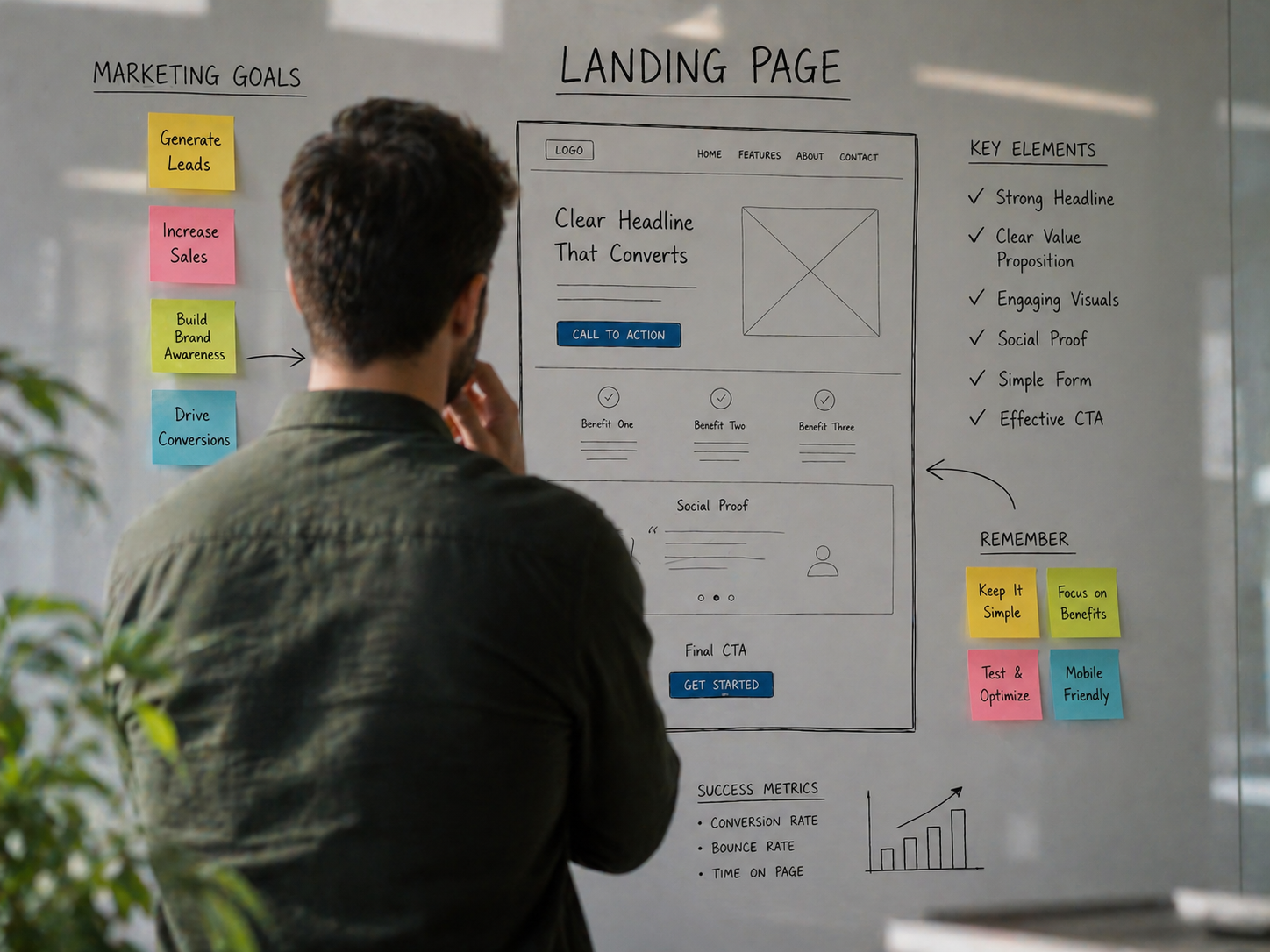
Before building a calendar, businesses must define their SEO goals. These goals guide content decisions and ensure alignment with business objectives.
Common goals include:
- Increasing organic traffic
- Generating leads
- Building authority
Clear goals provide direction and help prioritize content efforts.
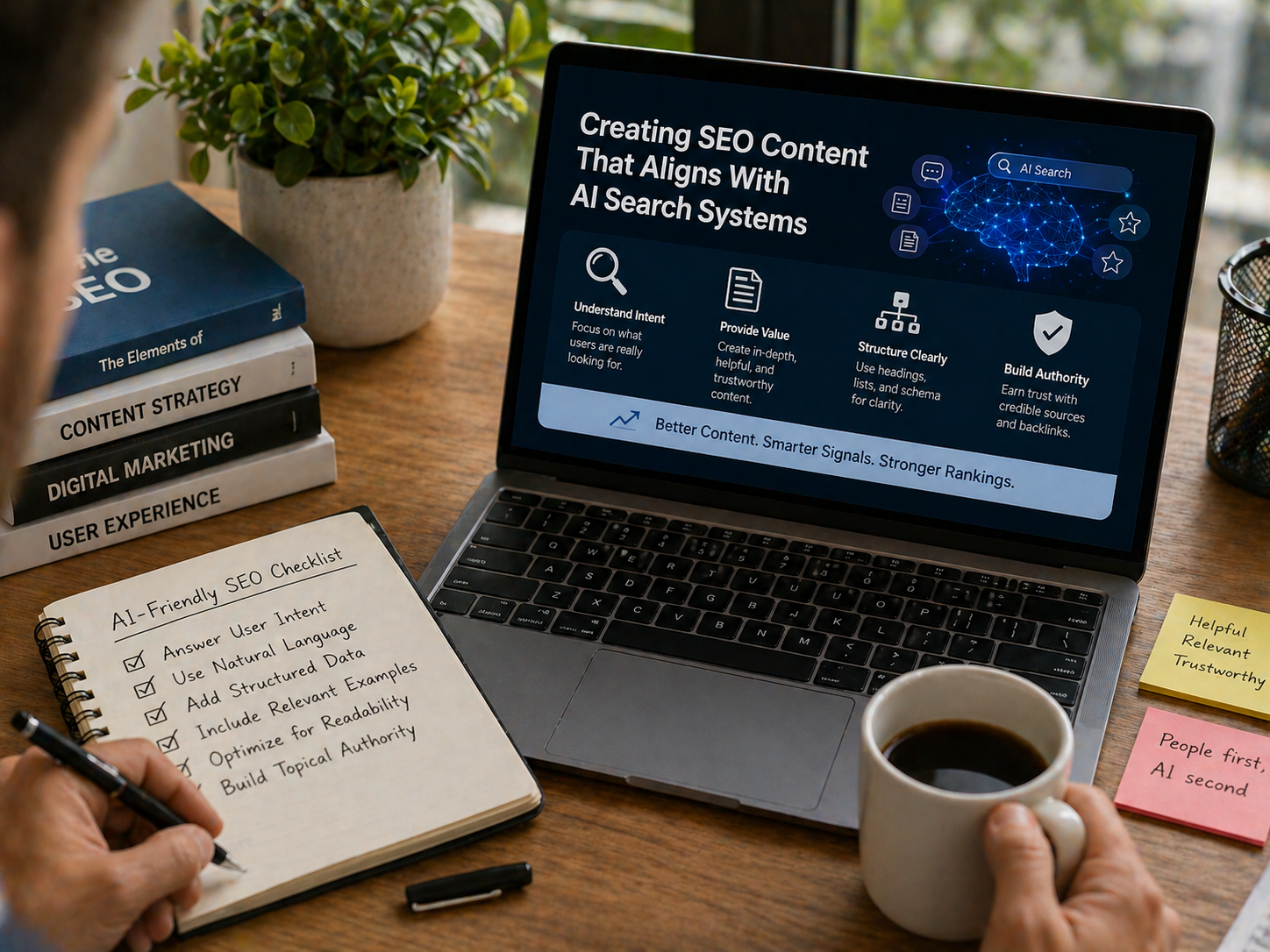
This aligns with foundational Search Engine Optimization principles, where strategy drives execution.
Identifying Target Keywords and Topics
Keyword research is the foundation of any content calendar. It helps identify what users are searching for and what content to create.
- Focus on high-intent keywords
- Include long-tail variations
- Consider local keywords
Organizing keywords into themes ensures comprehensive coverage of topics.
Creating Topic Clusters for Authority Building
Topic clusters group related content around a central theme. This approach builds authority and improves SEO performance.
A cluster includes:
- A pillar page
- Supporting articles
- Internal links
This structure signals expertise to search engines.
Balancing Evergreen and Trending Content
A successful content calendar includes both evergreen and trending content.
| Evergreen Content | Trending Content |
|---|---|
| Long-term value | Short-term relevance |
| Consistent traffic | Spikes in traffic |
| Stable rankings | Quick visibility |
Balancing both ensures steady growth and timely engagement.
Incorporating Local SEO Into Your Content Plan
Local businesses must tailor their content to specific locations. This increases relevance and attracts qualified leads.
This makes local SEO an essential component of your content calendar.
- Create location-specific pages
- Address local topics
- Highlight community involvement
Local content strengthens visibility and trust.
Establishing a Consistent Publishing Schedule
Consistency is key to SEO success. A regular publishing schedule keeps your website active and signals reliability.
- Weekly blog posts
- Monthly updates
- Quarterly reviews
Consistency builds momentum over time.
Optimizing Content for Performance
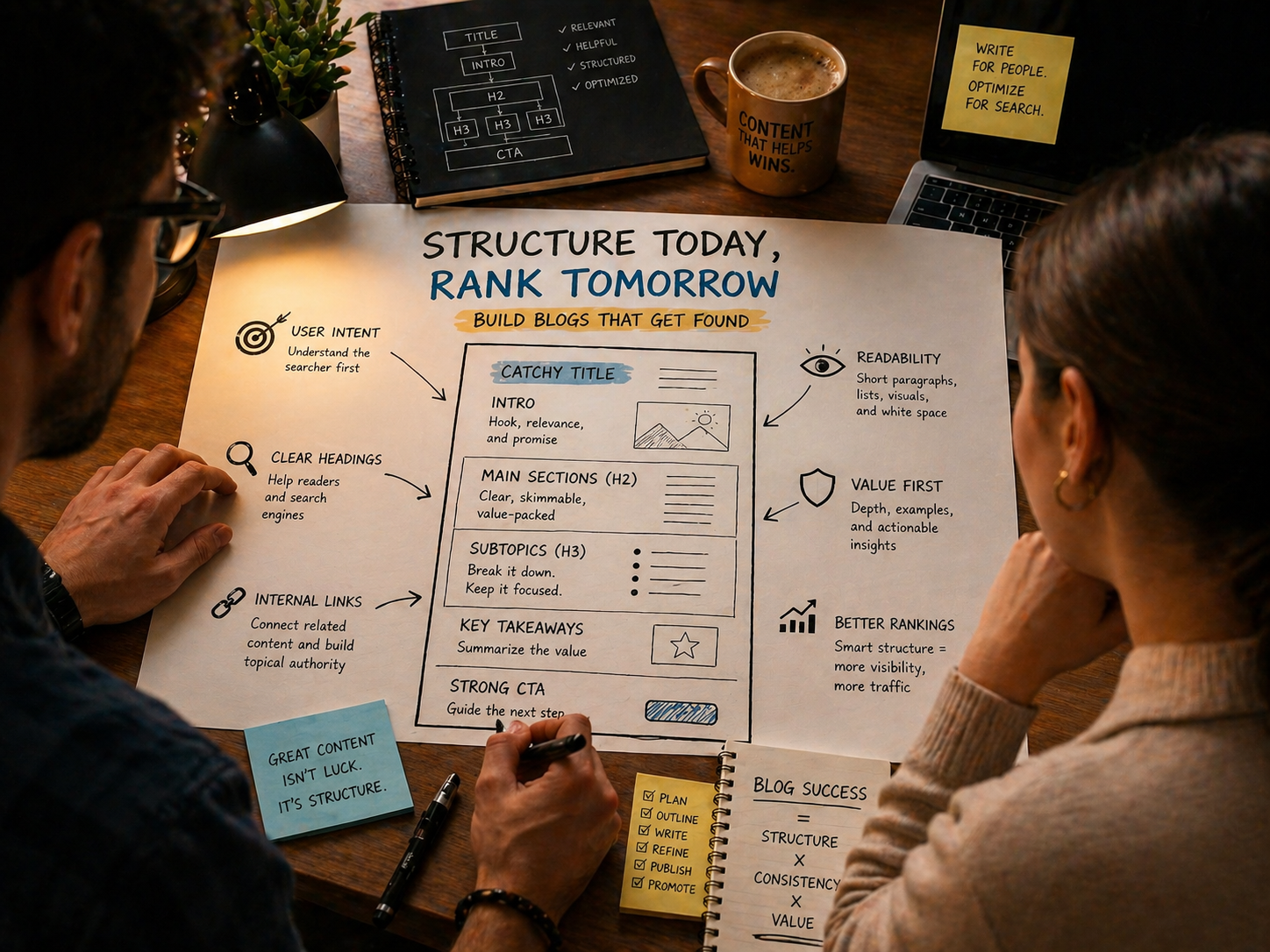
Each piece of content should be optimized for both search engines and users.
- Use clear headings
- Include relevant keywords
- Optimize meta descriptions
Optimization ensures maximum visibility.
Tracking and Adjusting Your Content Strategy
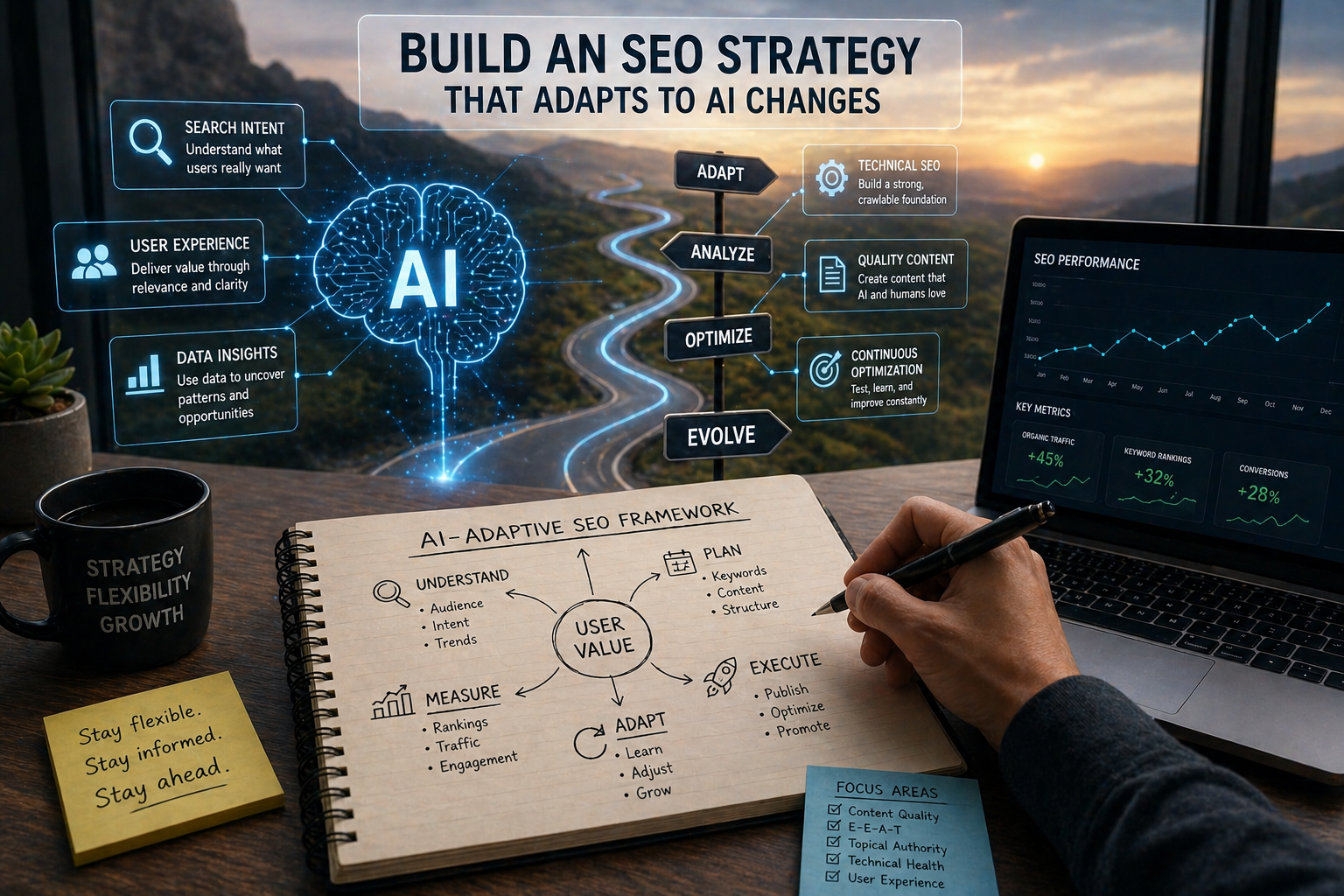
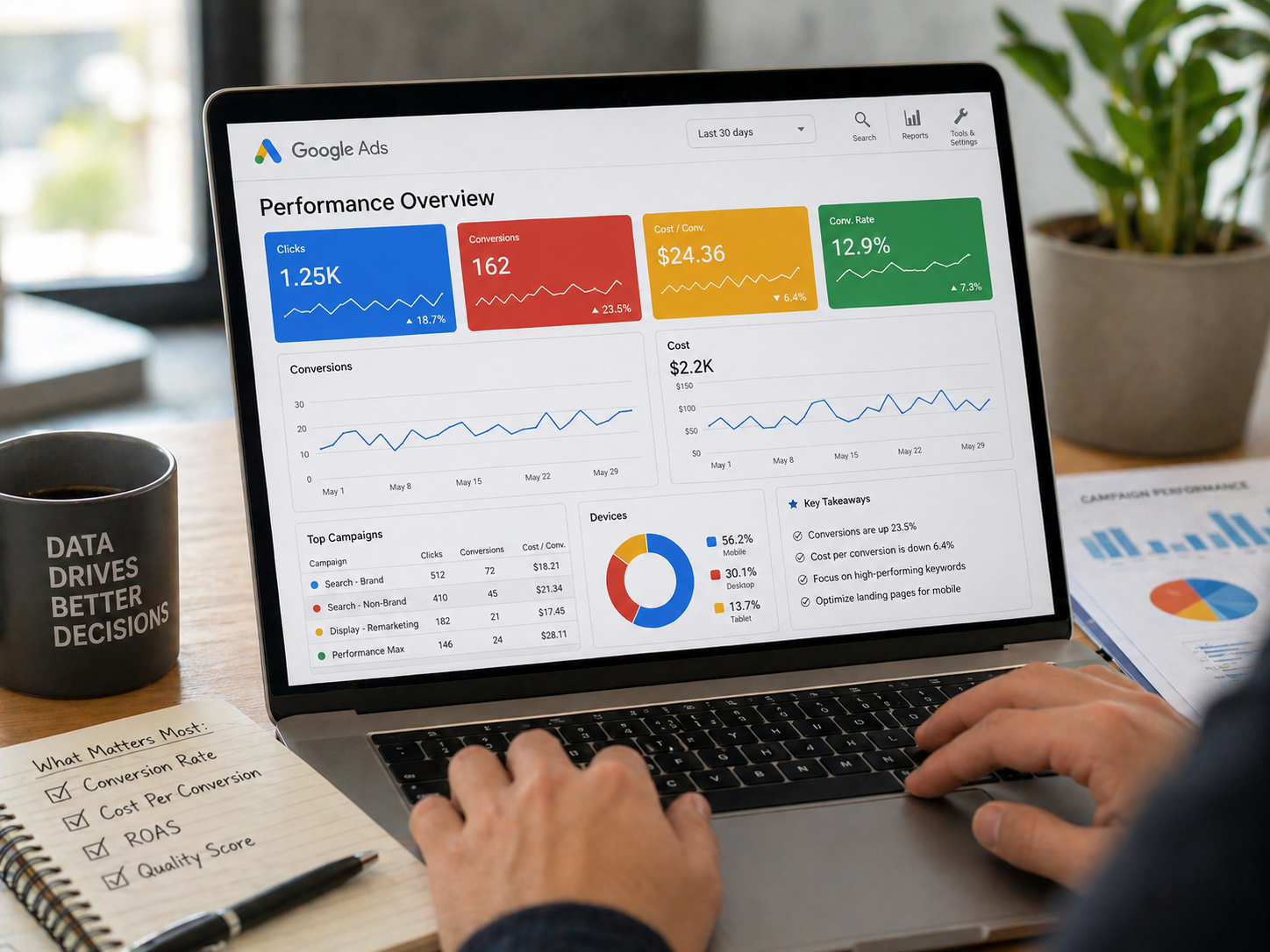
SEO is dynamic. Businesses must track performance and adjust their strategies accordingly.
- Monitor traffic and rankings
- Analyze engagement metrics
- Update underperforming content
Continuous improvement drives long-term success.
Avoiding Common Content Calendar Mistakes
Common mistakes include:
- Lack of strategy
- Inconsistent publishing
- Ignoring performance data
Avoiding these pitfalls improves effectiveness.
Building a Scalable Content System
A scalable system ensures sustainable growth:
- Standardize processes
- Use tools for planning
- Delegate tasks effectively
Scalability allows businesses to grow efficiently.
Final Thoughts on Long-Term SEO Growth
A content calendar is more than a schedule—it’s a strategy that drives consistent, measurable growth.
By planning strategically, publishing consistently, and optimizing continuously, businesses can build a strong online presence.
Platforms like GetPhound help businesses create and execute content strategies that deliver long-term SEO success.