How long does it typically take to see results from SEO?
Search Engine Optimization (SEO) remains a powerful yet often misunderstood component of digital marketing. Business owners, marketing professionals, and entrepreneurs invest heavily in SEO with the primary goal of increasing visibility, generating leads, and driving growth. But one of the most common—and pressing—questions remains: "How long does it take to see results from SEO?" The answer isn't purely mathematical and involves a nuanced understanding of search engines, industry benchmarks, site variables, competition, and ongoing commitment. This guide breaks down what affects SEO timelines, what realistic expectations look like, and how GetPhound’s results-driven approach streamlines organic search growth.
The Typical SEO Timeline: What to Expect
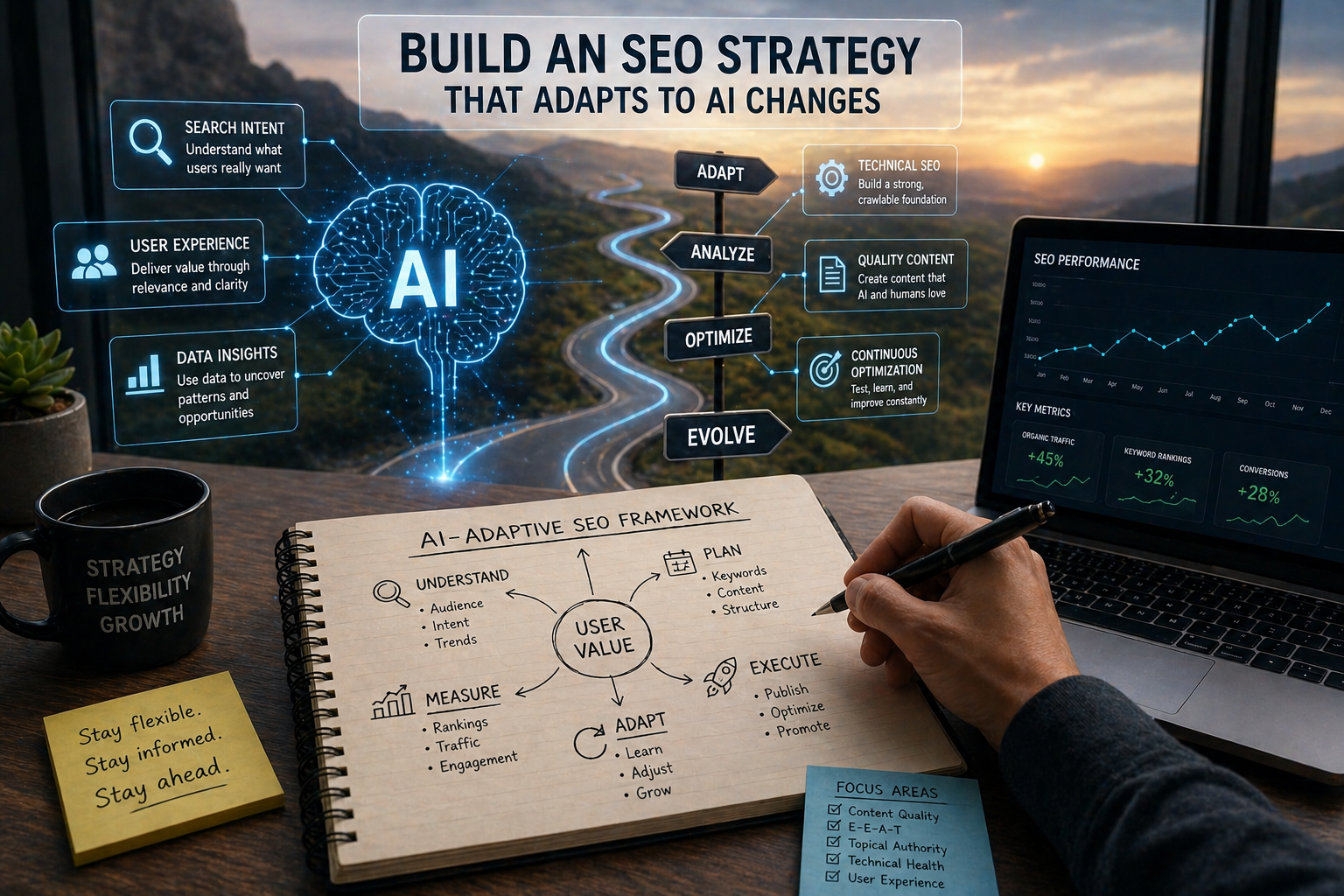
Research indicates that most websites begin seeing measurable SEO gains—such as higher keyword rankings and increased organic traffic—within three to six months of embarking on a solid SEO strategy. While small improvements may start as early as 30–90 days for well-established sites, significant results (e.g., first-page rankings for competitive keywords, substantial traffic boosts) may take up to a year or more, particularly for new domains or highly contested niches.
Key milestones to expect along a typical timeline:
- First 1–2 months: Planning, technical audits, initial optimizations, but few visible changes.
- 3–4 months: Early rankings shifts and organic traffic increase, especially for long-tail keywords and less competitive queries.
- 6–12 months: Momentum builds, with substantial improvements for broader keywords and enhanced conversion metrics.
It’s important to understand that SEO builds upon itself; the longer the effort is sustained, the greater and more stable the results.
Why SEO Takes Time: The Underlying Mechanisms
The delayed effect of SEO is driven by several factors intrinsic to how search engines operate:
- Crawling and Indexing: Google and other search engines use automated bots to discover, crawl, and index web pages. This process is ongoing and varies in speed depending on site structure, authority, and content freshness.
- Algorithm Evaluation: Search engines evaluate hundreds of ranking factors to determine the authority, relevance, and trust of a website. Building up these signals naturally takes time as content matures and earns backlinks.
- Content and Optimization: High-quality content creation, technical optimizations, and on-page improvements require iteration. Their effects only become visible after Google processes and recalculates website rankings.
Recognizing this lag is critical to setting realistic expectations.
Main Factors That Influence SEO Results Timeline
The trajectory to visible SEO results depends on a host of variables, both internal and external:
- Site Age and Domain Authority: Older, trusted domains often see results faster than brand-new sites due to existing authority and search engine trust.
- Content Quality and Volume: Comprehensive, relevant, expertly crafted content expedites ranking improvements, especially when consistently produced.
- Competition Level: Highly contested industries or keywords generally extend SEO timelines as more established players defend their rankings.
- Technical Health: Issues like slow loading, broken links, or poor mobile usability can severely hamper ranking progress.
- Backlink Profile: The quantity and quality of inbound links are among the strongest ranking factors and require time to develop organically.
Understanding and addressing these influencing factors with a proactive strategy is essential to faster SEO growth.
The Role of Competition and Keyword Difficulty
Not all keywords and markets operate under the same SEO timelines. Generally:
- Low-competition, long-tail keywords: May show ranking improvements in as little as 3-4 months with proper optimization.
- Moderately competitive keywords: Typically require 6-12 months of sustained effort to reach first-page visibility.
- Highly competitive, broad keywords: Could take a year or more, especially in sectors dominated by authoritative sites or brands.
A thorough competitive analysis at the start of any SEO campaign is key for setting realistic milestones and adapting strategies as the landscape evolves.
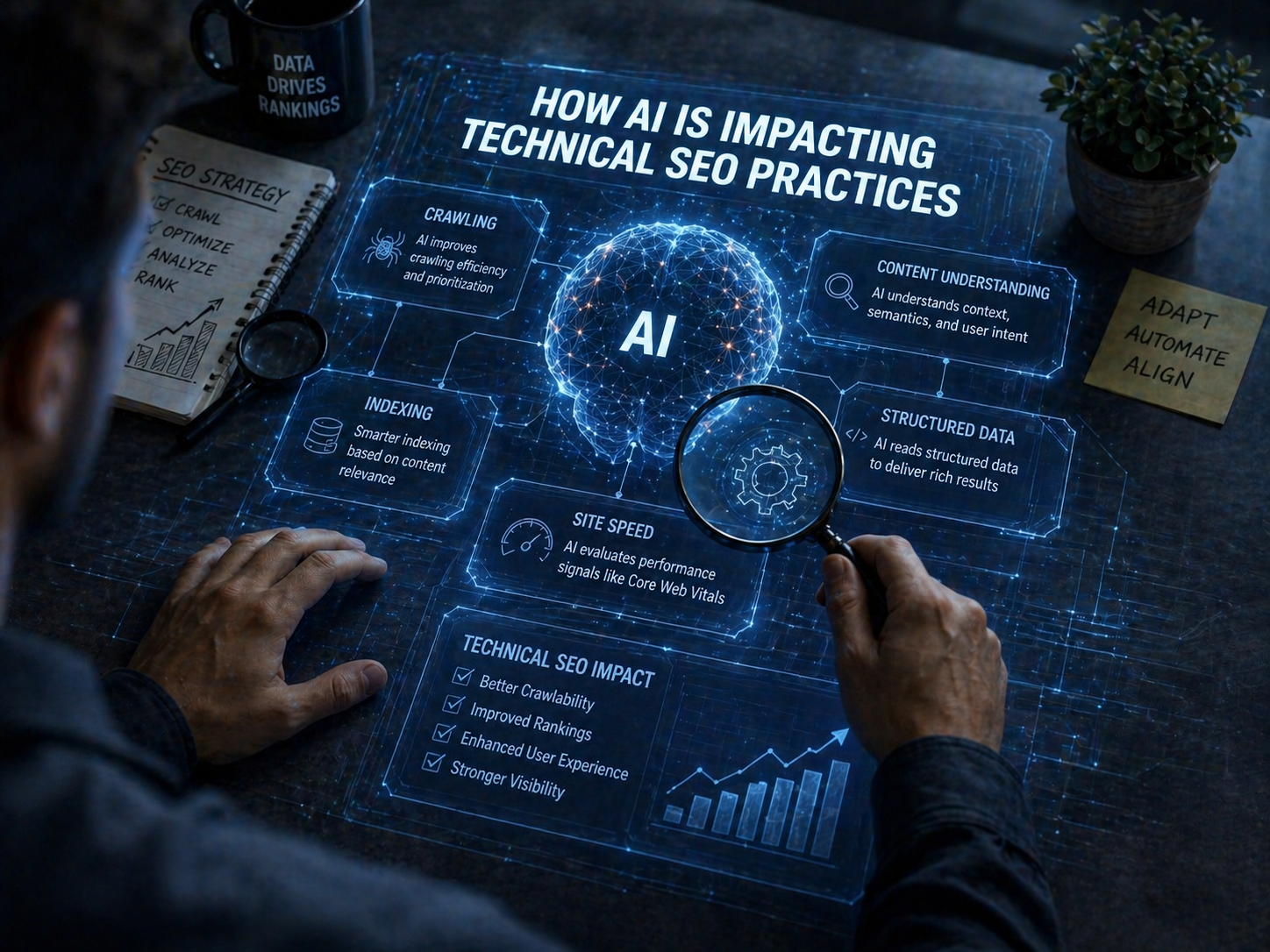
Technical SEO and Its Impact on Time to Results
Technical SEO involves optimizing site structure, load speed, mobile responsiveness, crawlability, and fixing on-site errors. Sites with robust technical foundations see results faster, while those plagued with technical debt can see months shaved off their timelines just by removing barriers to crawling and indexing. Key technical priorities include:
- Fast load times on all devices
- Clean and logical URL structures
- Mobile usability and Core Web Vitals compliance
- XML sitemaps and robots.txt optimization
Regular technical audits accelerate the SEO process by ensuring every optimization is fully leveraged by search engines.
Content Quality, Depth, and Publishing Frequency
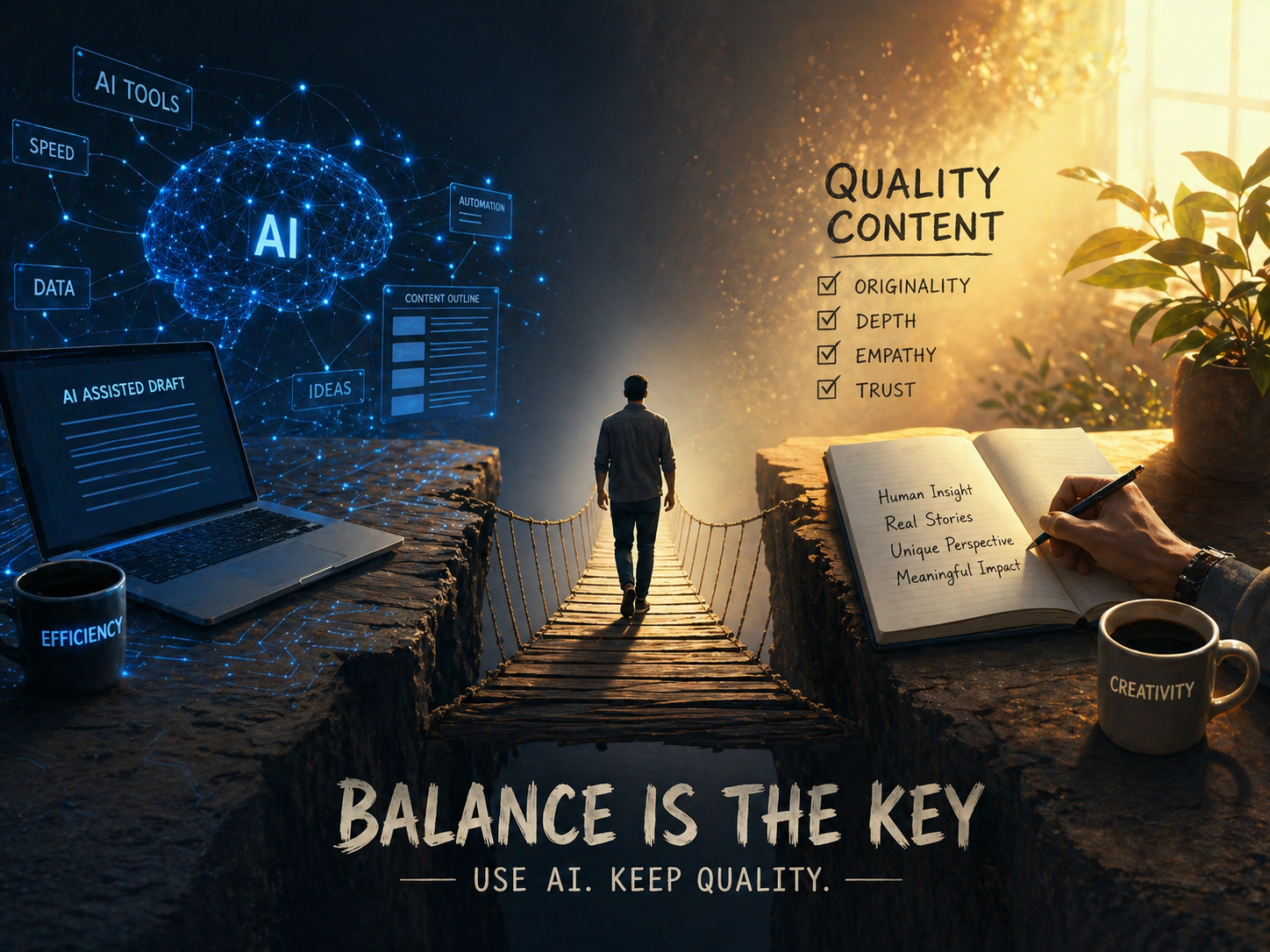
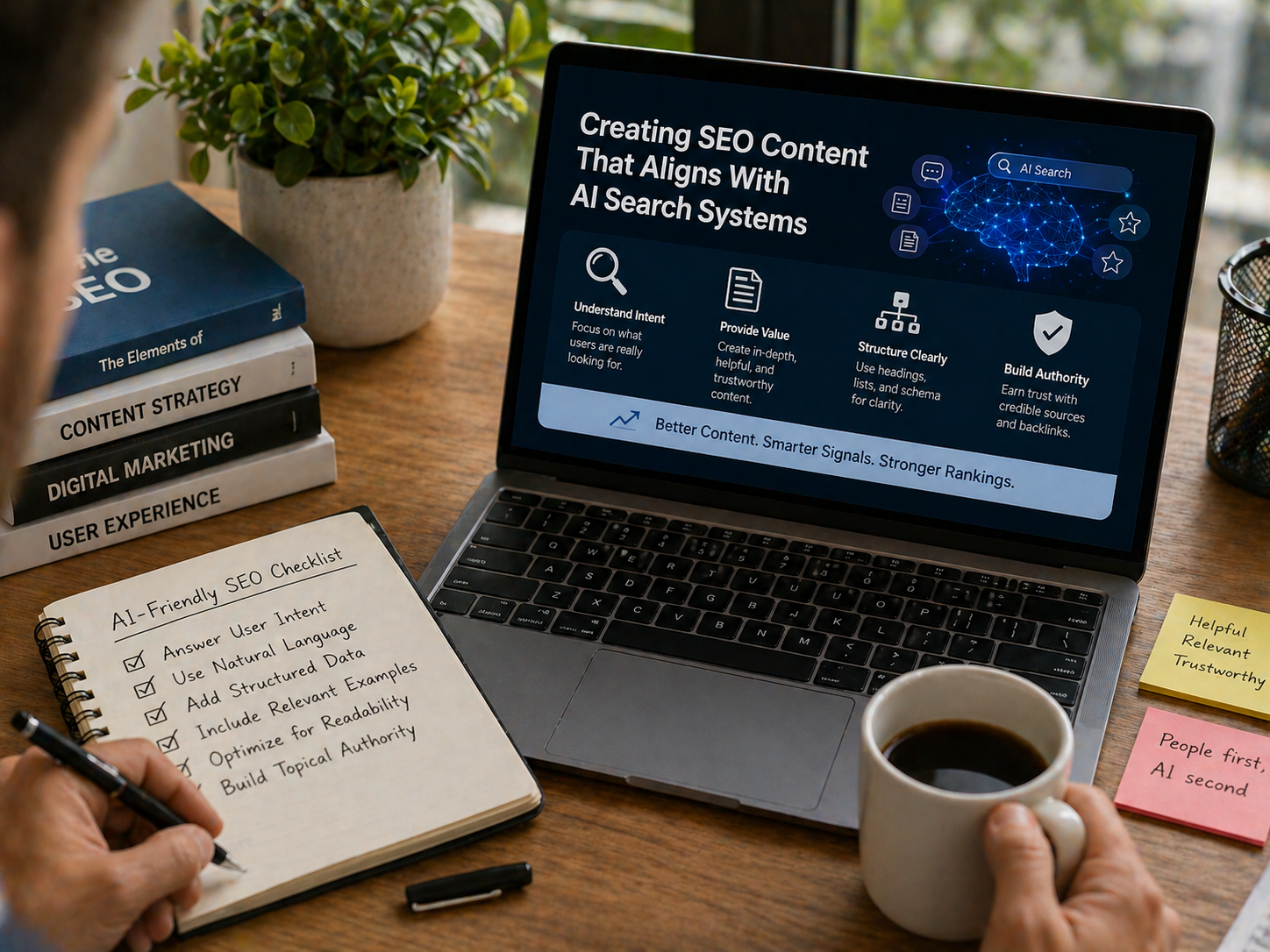
Google prioritizes sites offering thorough, authoritative content that comprehensively answers user queries. Thin, outdated, or superficial content rarely climbs the rankings, regardless of other SEO efforts.
- Frequent updates: Google rewards freshness as well as depth. Sites that regularly add or update pages tend to see faster improvements in traffic and rankings.
- E-E-A-T (Expertise, Experience, Authoritativeness, Trust): Incorporating these principles into every piece of content enhances credibility and accelerates SEO results.
A sustained investment in content excellence is essential for maintaining and accelerating ranking improvements.
Link Building: Authority, Trust, and Results
High-quality backlinks remain among the strongest predictors of SEO performance. The process of naturally earning links from reputable domains takes time, as does the associated transfer of authority and trust. Approaches that focus on building relationships, gaining organic mentions, and producing shareable content consistently outpace those relying on outdated or manipulative tactics.
- Natural Acquisition: Earned backlinks from high-authority sources are valued most by search engines and have the most lasting positive effect.
- Sustained Outreach: Ongoing digital PR, content marketing, and networking broaden a site’s profile and steadily increase authority over time.
A healthy backlink portfolio compounds the benefits of strong technical and content foundations, but patience is required for lasting impact.
Measuring Progress: Realistic Expectations and KPIs
Getting on page one of Google is rarely the first sign of progress. SEO success should be measured using a suite of Key Performance Indicators (KPIs), including:
- Keyword Ranking Improvements: Early increases in rankings, especially for targeted long-tail or niche phrases.
- Organic Traffic Growth: Increases in users arriving via SEO, as measured by Google Analytics and Search Console.
- Engagement Metrics: Longer session durations, lower bounce rates, and higher on-site conversion rates signal growing relevance and user satisfaction.
- Lead Generation: Growth in quality leads, form submissions, or sales originating from organic search sources.
Tracking these KPIs from the outset allows for adaptive optimization and illustrated value over time.
Common Myths and Misconceptions About SEO Timelines
- Myth 1: SEO Delivers Instant Results — In reality, even the most aggressive SEO campaigns require months to build momentum, and sustainable gains take consistent effort.
- Myth 2: More Content Always Means Faster Results — Poor-quality or duplicate content can slow progress or invite penalties. Depth and authority matter more than sheer quantity.
- Myth 3: Rankings Are the Only Goal — Higher rankings are valuable but should be tied to traffic, engagement, and conversions to accurately measure ROI.
- Myth 4: Results Plateau After Year One — Effective ongoing SEO continues to deliver improvements in rankings, traffic, and conversions for years as the site’s authority compounds over time.
Dispelling these misconceptions sets the stage for strategic, sustainable investment.
How GetPhound’s Approach Accelerates SEO Results
GetPhound’s unique value proposition revolves around transparency, commitment to impact, and client-focused flexibility. Key features of its SEO programs include:
- RankGuarantee™ SEO: No monthly fee until a site achieves first-page rankings for more than 100 keywords, a testament to accountability and performance focus.
- Silver and Gold SEO Plans: Comprehensive SEO packages that blend high-impact strategies like mass landing pages, content marketing, and Google Business Profile optimization—targeted for both short- and long-term gains.
- Local (MAP) SEO: Specialized services that boost visibility in Google Maps and local search results, often yielding faster, direct results for service-based and geographically targeted businesses.
- Affordability and No Contracts: All services are month-to-month, ensuring alignment with client goals and providing flexibility as SEO milestones are reached.
Clients regularly report not just rapid, measurable improvements in visibility and leads, but also exceptional communication and education throughout their campaigns.
Industry-Specific Timelines: What the Data Shows
Different markets exhibit unique patterns when it comes to SEO result timelines. Industry research reveals:
- Construction, Real Estate, Healthcare: Notice lead growth in 3–5 months.
- B2B SaaS, Manufacturing, Consulting: Results are often evident in 5–6 months, with high variance depending on content depth and domain authority.
- Legal, Financial Services, E-Commerce: Typically face longer timeframes, from 6 up to 12 months, due to competitive landscape and high keyword difficulty.
A tailored approach, taking into account the unique factors of each industry, is crucial for success.
SEO is a strategic marathon, not a sprint. Most businesses experience their first meaningful improvements within three to six months, but a full plateau of benefits can take a year or more, especially for new or highly competitive ventures. The surest path to success is a sustained, holistic effort: strong technical foundations, authoritative content, consistent link building, regular performance tracking, and strategic adaptability. With client-first policies and performance guarantees, GetPhound stands out as a trusted partner in delivering steady, robust SEO growth that drives real business results.
For those embarking on their SEO journey, patience, informed strategy, and partnership with an experienced agency like GetPhound will pay back exponential dividends in the long term.